Jacksonville, Florida
Tree Removal and Tree Service in Jacksonville
Jacksonville is the largest city by area in the lower 48, and it runs from old riverfront oak canopy to pine flatwoods subdivisions. The tree problems differ just as much from one end to the other.
- County
- Duval (consolidated with the city)
- Tree permits
- City of Jacksonville, under Zoning Code Chapter 656, Part 12
- Key local rule
- Protected trees need a permit to remove. Live oak replacements must be live oaks.
- Electric utility
- JEA
- Main hazards
- Hurricanes, nor'easters, St. Johns River flooding
Two Jacksonvilles, two kinds of tree work
| Area | Typical trees | Typical problems |
|---|---|---|
| Riverside, Avondale, San Marco, Springfield | Mature live and laurel oaks over older homes | Large limb failures, roots under foundations and sidewalks, tight access |
| Mandarin and the Southside | Oak hammock mixed with pine | Laurel and water oak decline, lightning-struck pines |
| Northside and Westside flatwoods | Slash and loblolly pine, sweetgum | Pine blowdown, beetle kills, wet-soil uprooting |
| The Beaches | Wind-shaped oaks, palms, cedar | Salt spray, sand soil, hurricane exposure |
Matthew, Irma and the river
Hurricane Matthew ran up the coast just offshore in October 2016 and took down trees across the Beaches and the Intracoastal neighborhoods. Eleven months later, Irma pushed the St. Johns River to record flood levels in downtown, San Marco and Riverside.
The St. Johns is tidal and slightly salty at Jacksonville. Flooding from it stresses or kills trees that are not salt tolerant, and it leaves soil soft for days, so trees that withstood the wind sometimes went over afterward.
The city also gets nor'easters, slow coastal storms in fall and winter that bring a day or more of steady wind and rain. They cause fewer dramatic failures but regularly bring down dead wood and weak limbs.
Protected trees in Jacksonville
Jacksonville's zoning code protects trees above set sizes on private property and requires a permit to remove or relocate a protected tree. Mitigation is normally required, and the code specifies that protected live oaks which are removed be replaced with live oaks.
As elsewhere in Florida, Section 163.045 of the state statutes exempts residential owners from local permitting when they hold a signed assessment from an ISA Certified Arborist or a Florida-licensed landscape architect showing the tree presents an unacceptable risk.
Jacksonville Beach, Neptune Beach, Atlantic Beach and Baldwin are separate municipalities inside Duval County with their own tree ordinances. The beach cities are generally stricter.
What grows here and how it fails
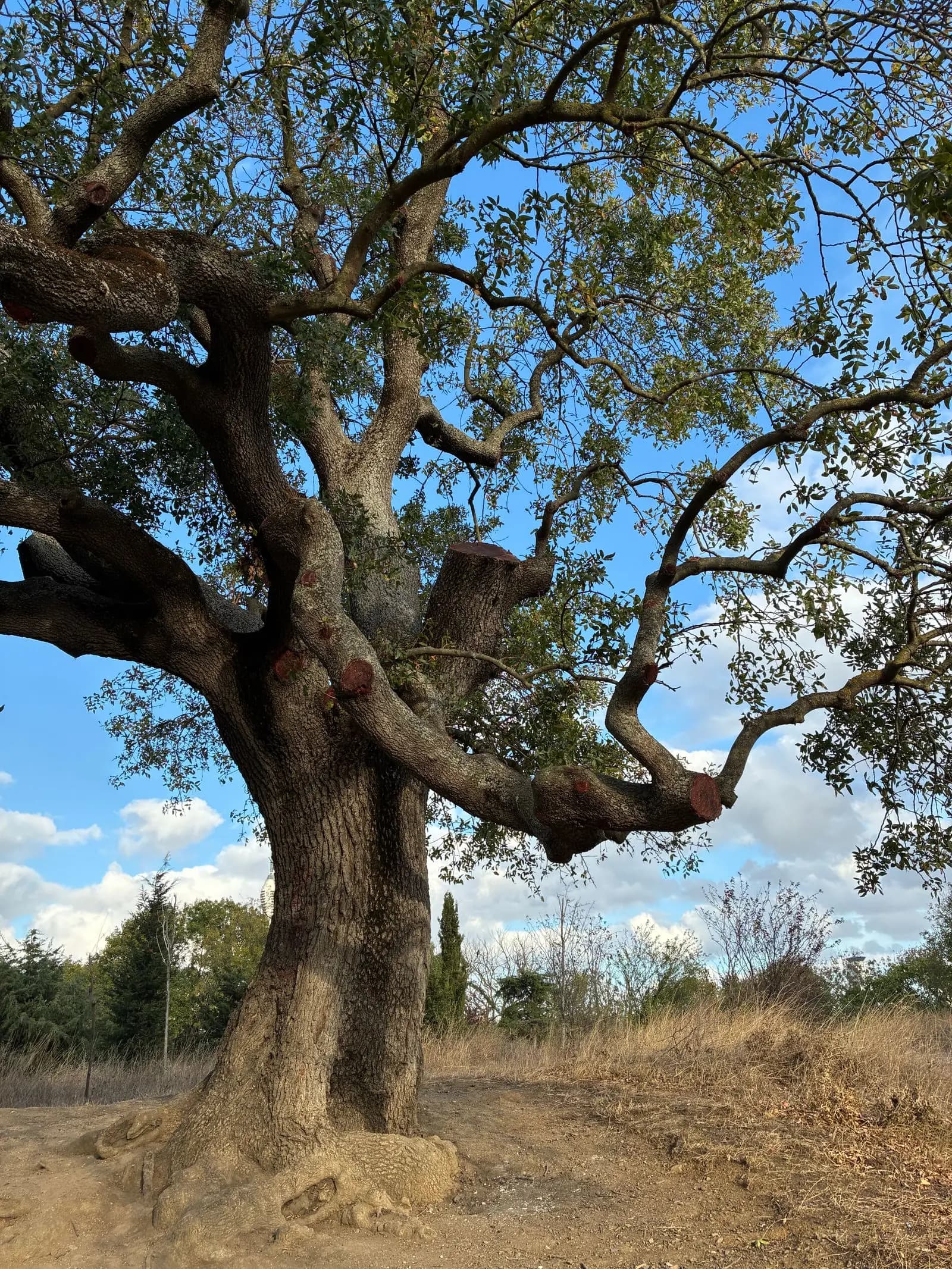
- Live oak
- The canopy tree of the old neighborhoods. Durable, but its long limbs need weight reduction over roofs.
- Laurel and water oak
- Often hollow by middle age. The usual suspects when an oak snaps.
- Slash pine
- Tall, with a small crown. Snaps in hurricanes and attracts lightning and beetles.
- Sweetgum
- Sturdy but messy. Sprouts from the stump unless it is ground.
- Southern magnolia
- Wind-firm. Shallow roots lift walks and compete with lawns.
- Sabal palm
- Survives nearly anything. Only dead fronds should be removed.
How removal goes on a tight Riverside or San Marco lot
Confirm protection status
Measure the trunk and check whether a permit or an arborist's risk documentation applies.
Plan access
Many lots have alley or side access only a few feet wide. That determines whether a crane sets up in the street.
Protect what is below
Old oaks hang over roofs, garages and neighbors' yards, so every limb is lowered.
Coordinate lines
Service drops are often threaded through the crown. JEA is contacted where a line must be dropped or covered.
Decide on the stump
Roots of big oaks run under drives and walks. Grinding handles the stump. Buried roots are usually left.
Trouble signs on North Florida pines
A spiral scar down the bark
A lightning strike. The tree may look fine for weeks, then die.
Resin lumps on the trunk
Pitch tubes from bark beetles.
Needles fading to yellow, then red
The tree is dying. Remove it before beetles move to its neighbors.
A lean that appeared after a storm
Broken roots on the windward side.
A swollen, cracked area on the stem
Fusiform rust canker, a weak point where the trunk snaps.
Common tree service requests in Jacksonville
Jacksonville tree questions
Do I need a permit to cut down a tree in Jacksonville?
For a protected tree, yes, unless the state exemption applies. A residential owner holding a certified arborist's or licensed landscape architect's signed assessment that the tree is an unacceptable risk does not need a city permit.
Are the Beaches under the same rules?
No. Jacksonville Beach, Neptune Beach and Atlantic Beach each have their own tree ordinance and permit process.
Will JEA remove a tree near power lines?
JEA maintains clearance around its lines and will address trees that threaten them. It does not generally remove trees for owners. Report a tree on a line to JEA and keep away from it.
Why do pines die after a hurricane?
Bending strains or breaks roots and internal wood without visible damage. Weakened pines then attract bark beetles. Losses commonly continue for a year after the storm.
Reach a tree service in Jacksonville
Call to be connected with an independent tree company that works in the Jacksonville area, or leave your number and one will call you back.
(888) 555-0142Call availability varies by area and time of day
Limbwright is a referral service. Your call or request goes to an independent tree service company that sets its own prices and schedule. Ask for proof of insurance and a written scope before work starts. How this works
Request a callback
Leave a number and a tree service provider in your area will call you.