
Cost guide
How Much Does Emergency Tree Removal Cost?
Updated · Limbwright editorial
Short answer
Emergency tree removal generally costs between $450 and $3,000 in 2026. Severe cases, such as a large tree through a roof that needs a crane, run $1,500 to $5,000 or more. Urgent work is typically priced 50 to 100 percent above the same job on a normal schedule.
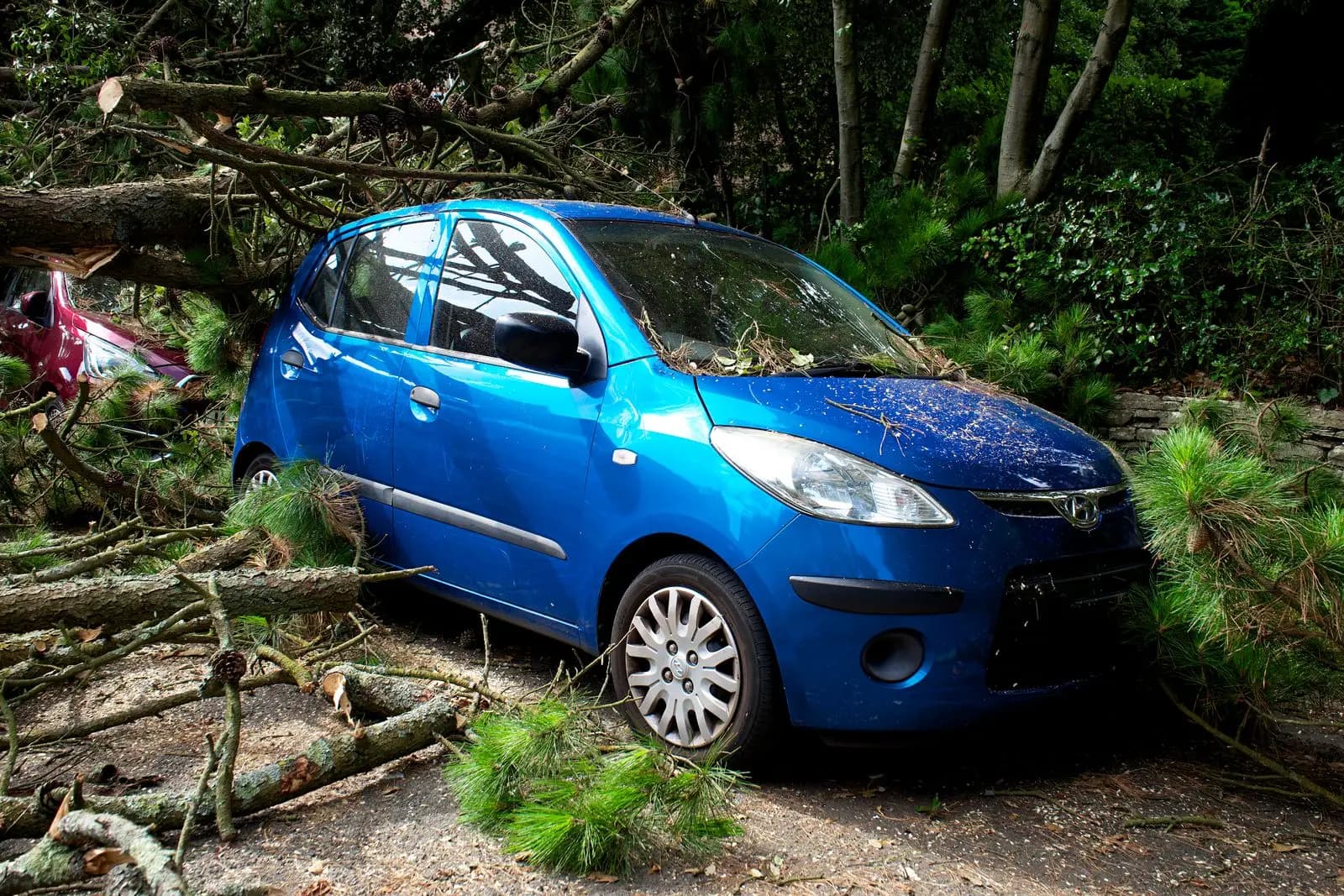
Typical emergency scenarios and price ranges
| Scenario | Typical range | Why |
|---|---|---|
| Large limb down, blocking a driveway | $450 to $1,000 | Ground work only, but at urgent rates |
| Tree down in the yard, nothing damaged | $500 to $1,500 | Not a true emergency. Waiting lowers this. |
| Tree leaning on a house, roof intact | $1,000 to $3,000 | Careful rigging to lift weight off without causing damage |
| Large tree through a roof | $1,500 to $5,000+ | Crane or heavy rigging, plus coordination with a roofer |
| Tree entangled with service lines | Adds time and cost | Work waits on the utility, and line-clearance precautions apply |
Scenario ranges are drawn from the overall emergency figures in published 2026 cost guides and are approximate. After a regional storm, prices can run above them.
Where the premium comes from
Emergency pricing reflects real costs. Crews are paid overtime for nights and weekends. Scheduled jobs are bumped, and those customers have to be rebooked. Work in the dark, in rain or on damaged structures is slower and carries more risk.
After a regional storm there is also plain scarcity, as Houston saw after Hurricane Beryl. Every crane within a hundred miles is booked, fuel and lodging are short, and companies bring in crews from other states at their own expense.
A premium is one thing and gouging is another. Many states prohibit excessive price increases during a declared emergency. A quote several times the ranges above deserves a second opinion if the situation allows you to wait.
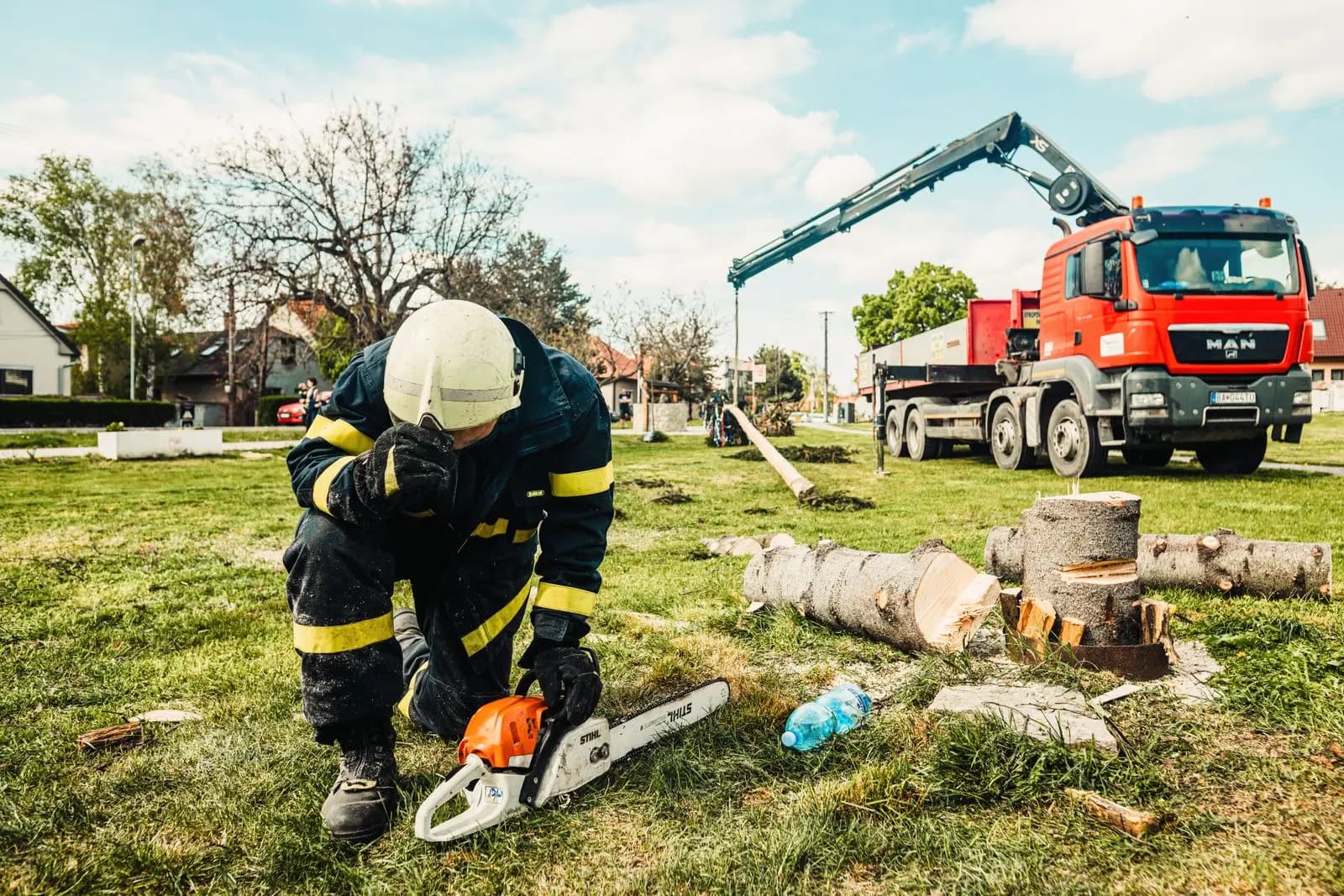
Five ways to limit an emergency bill
Decide whether it is an emergency
A tree on the lawn can wait for regular rates. The test is on the emergency tree removal page.
Split the job
Pay urgent rates only to make the site safe. Schedule cleanup, hauling and stump work for later.
Ask for the scope in writing
Even a text message stating the price and what it covers.
Use curbside debris pickup
After a declared disaster, local government often collects debris, which removes haul-off from the quote.
Document for insurance
Photos before work and itemized invoices afterward let you recover what the policy covers.
What insurance usually contributes
When a tree falls from a covered cause and damages an insured structure, the policy generally pays to remove the tree from the structure as part of the claim, along with the repair.
The debris-removal portion for the tree itself is often limited, commonly about $500 per tree and $1,000 per event. So on a $3,000 emergency removal, the insurer may pay for lifting it off the roof under the structure claim and only a capped amount for cutting up and hauling the rest.
Your deductible applies first. In hurricane-prone states a separate percentage-based wind deductible can be thousands of dollars. Read does insurance cover tree removal before filing a small claim.
Emergency cost questions
Do tree services charge more at night?
Most do. After-hours, weekend and holiday calls carry higher rates, often 50 to 100 percent above normal. If the situation is stable, waiting until morning saves money.
Who pays when a neighbor's tree falls on my house?
In most cases your own insurer, unless the neighbor was negligent about a known hazard. See neighbor's tree fell in my yard.
Should I pay up front?
No reputable company needs full payment before work. A deposit toward crane rental on a big job is reasonable. Get a written receipt for anything you pay.
Can I negotiate an emergency quote?
You can ask what a make-safe-only visit would cost and whether cleanup can be done later at standard rates. That is usually the most effective way to reduce the bill.
This guide is general information, not professional, legal or insurance advice. Tree conditions, local rules and policy terms vary. Have a qualified arborist inspect the tree, and confirm regulations and coverage with your city and insurer.
Want someone to look at the tree?
Call to be connected with an independent tree service company in your area, or leave your number for a callback.
(888) 555-0142Call availability varies by area and time of day
Limbwright is a referral service. Your call or request goes to an independent tree service company that sets its own prices and schedule. Ask for proof of insurance and a written scope before work starts. How this works
Request a callback
Leave a number and a tree service provider in your area will call you.