
Charlotte, North Carolina
Tree Removal and Tree Service in Charlotte
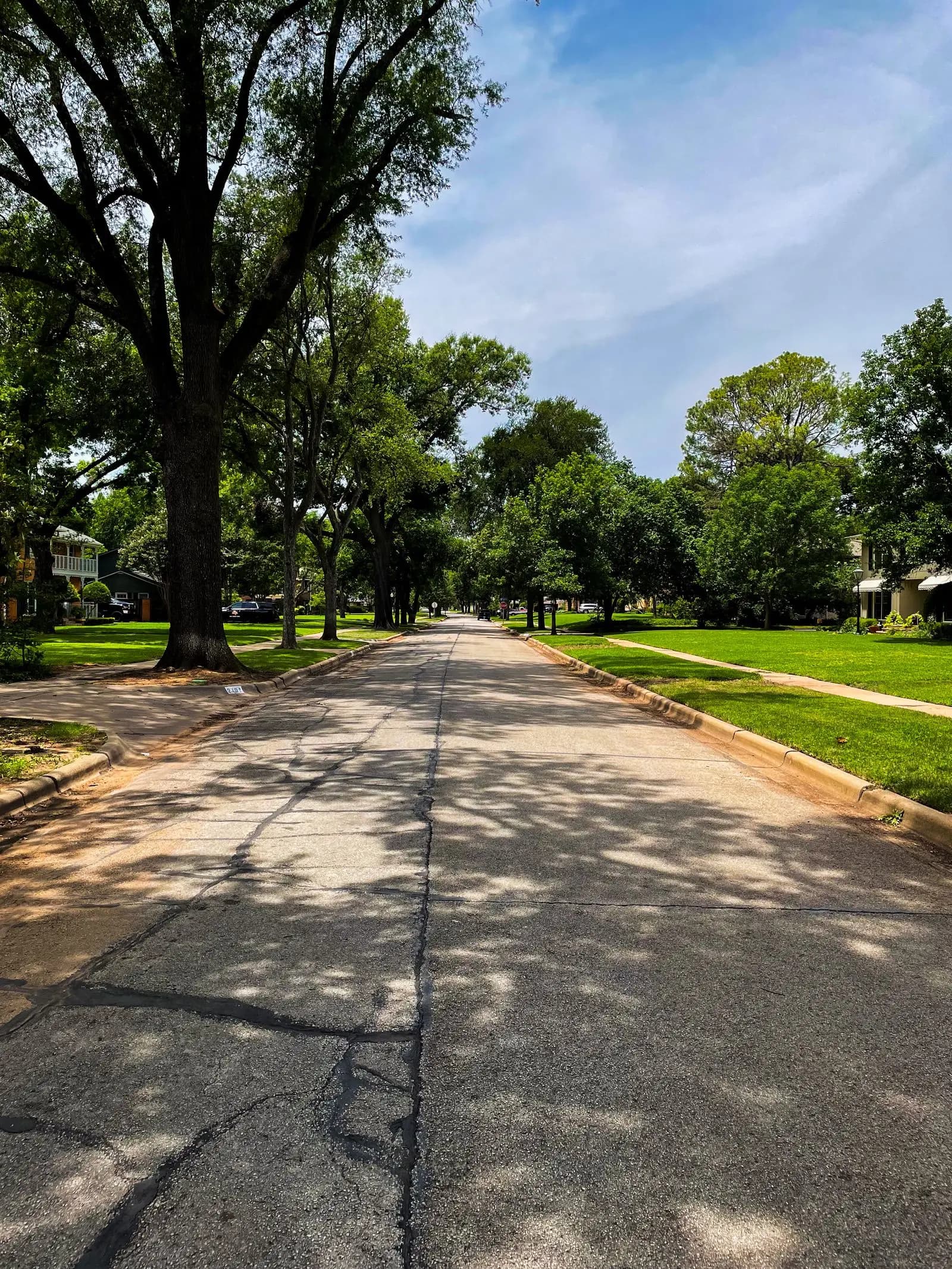
Charlotte's best-known streets are lined with willow oaks planted roughly a hundred years ago, and that generation of trees is aging out together. Since June 2023 the city has required a permit to remove native trees 30 inches or more in diameter on private property.
- County
- Mecklenburg
- Tree permits
- City of Charlotte Urban Forestry, under the Unified Development Ordinance
- Key local rule
- Heritage trees: native North Carolina species 30 inches in diameter and larger
- Electric utility
- Duke Energy
- Main hazards
- Ice storms, summer thunderstorms, tropical remnants, root decay in old oaks
A canopy planted all at once
Myers Park, Dilworth, Eastover and Elizabeth were laid out in the 1910s and 1920s, and their developers lined the streets with willow oaks. The trees grew into the arching canopy the city is known for.
Trees planted in the same decade age in the same decade. Willow oaks commonly live 100 to 120 years in city conditions, and many of Charlotte's are now at or near that age. Root decay, large dead limbs and whole-tree failures have become more frequent, and the city and private owners are both removing and replanting.
A 40-inch oak beside a house on a 60-foot lot is not removed the way a suburban pine is. Most of these jobs involve a crane, a street closure and a permit. See large tree removal in Charlotte.
The heritage tree rule
Charlotte's Unified Development Ordinance took effect on June 1, 2023. It defines a heritage tree as a tree native to North Carolina with a diameter at breast height of 30 inches or more, and it applies on private property within the city limits.
A heritage tree may be removed, but only with a permit and mitigation. The city's submittal guide lists a permit fee and a choice between planting replacement trees and paying a mitigation fee, with the fee reduced as more trees are planted. Review generally takes one to two weeks. Confirm current fees with Urban Forestry, since they are revised.
Dead and hazardous heritage trees are treated differently from healthy ones, and documentation from a certified arborist supports that route. Trees in the street right-of-way are city trees and are handled by the city arborist's office.
Is that old willow oak failing?
Large oaks usually give notice. These are the signs local arborists act on.
Dead limbs in the upper crown
Several large dead branches at once point to root trouble.
Fungus at the base
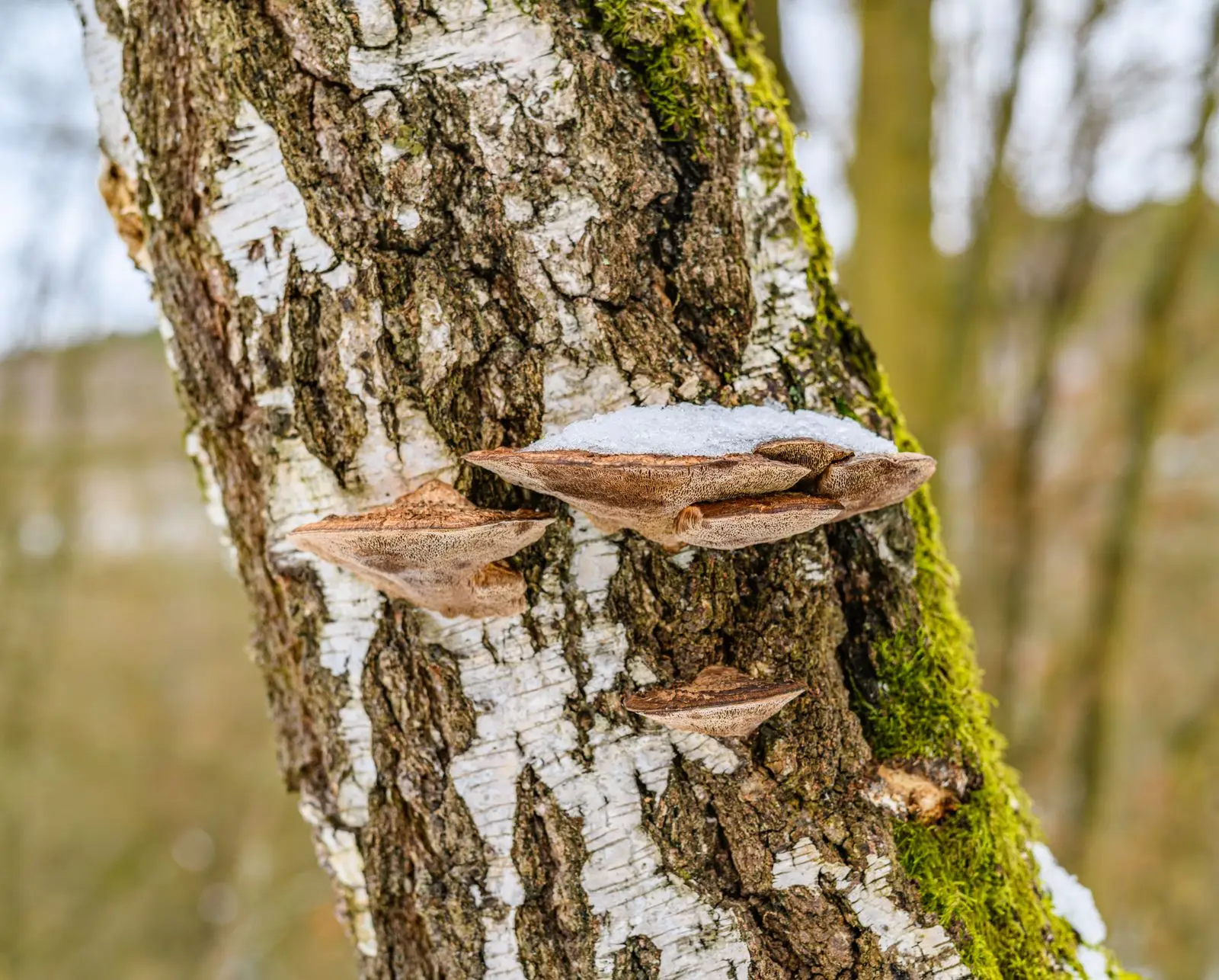
Clustered mushrooms or woody conks on root flares in late summer and fall.
Bark sloughing between root flares
With soft or hollow-sounding wood behind it.
Leaves smaller and thinner than neighboring oaks
A sign of a shrinking root system.
Roots cut for a driveway, curb or utility
Decline often follows by five to ten years.
Hugo, ice and summer storms
Hurricane Hugo reached Charlotte in September 1989 still carrying hurricane-force gusts, 200 miles from the coast. It felled tens of thousands of trees and remains the reference point for what wind can do here.
Ice is the more regular threat. The December 2002 storm glazed the Piedmont and left most of the county without power, with pines and oaks down across roads and roofs.
In summer, isolated severe thunderstorms drop a few big trees somewhere in the county most weeks. Because soils are heavy red clay, a wet week followed by a gusty storm is the typical setup for a large oak going over at the roots.
Charlotte trees and what they are known for
- Willow oak
- The street tree. Sound for most of its life, then prone to root rot and large limb loss.
- White oak and red oak
- Long-lived natives. Often heritage size. Sensitive to construction damage.
- Loblolly and shortleaf pine
- Break in ice. Common on the edges of older lots.
- Tulip poplar
- Tall and fast. Drops limbs in thunderstorms.
- Red maple
- Weak forks and decay from old pruning wounds.
- Bradford pear
- Splits apart. Not native, so never a heritage tree.
Scheduling tree work in Charlotte
| Season | Conditions | Good for |
|---|---|---|
| Winter | Leaves off, lower demand, occasional ice | Structural pruning, planned removals, crane work |
| Spring | Fast growth. Cankerworms in outbreak years. | Inspections once leaves are out |
| Summer | Thunderstorms and heat | Emergency response, deadwood pruning |
| Fall | Tropical remnants. Fungi fruiting at tree bases. | Root decay checks, pre-winter hazard removal |
Services for Charlotte properties
Charlotte tree questions
What is a heritage tree in Charlotte?
A tree of a species native to North Carolina with a trunk diameter of 30 inches or more, measured 4.5 feet above the ground, on private property in the city limits.
Can I remove a heritage tree?
Yes, with a city permit and mitigation, which means planting replacement trees, paying a fee, or a combination. Removing one without a permit can bring a fine.
Does the rule apply outside the city limits?
No. Matthews, Mint Hill, Huntersville, Cornelius, Pineville and unincorporated Mecklenburg County have their own rules.
Who takes care of the oak between the sidewalk and the street?
The city. Street trees in the right-of-way are maintained by Charlotte's arborist staff, and residents should report problems instead of hiring work on them.
Reach a tree service in Charlotte
Call to be connected with an independent tree company that works in the Charlotte area, or leave your number and one will call you back.
(888) 555-0142Call availability varies by area and time of day
Limbwright is a referral service. Your call or request goes to an independent tree service company that sets its own prices and schedule. Ask for proof of insurance and a written scope before work starts. How this works
Request a callback
Leave a number and a tree service provider in your area will call you.