
Georgia
Tree Removal and Tree Service in Georgia
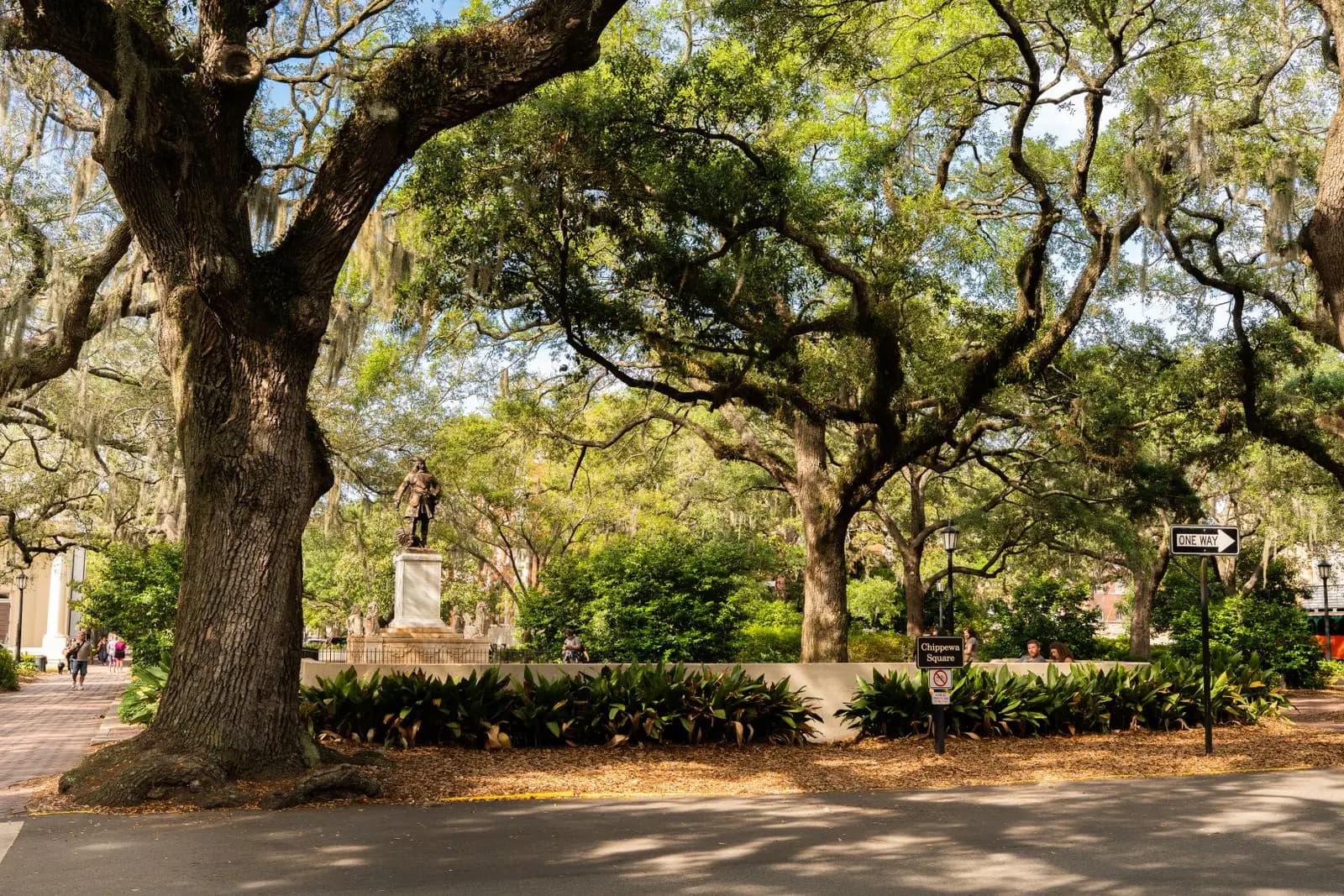
Georgia homes sit under some of the tallest residential canopy in the country: loblolly pines past 90 feet and broad water oaks nearing the end of their lifespan. Tropical systems that weaken inland still bring enough wind and rain to put them on roofs.
A forest with houses in it
North and central Georgia were farmland a century ago. When cotton declined, pines and fast-growing hardwoods reclaimed the fields, and suburbs were later built among them. The result is neighborhoods where trees commonly stand two to three times the height of the houses.
Storms reach these trees from two directions. Gulf and Atlantic hurricanes track inland as tropical storms. Zeta in October 2020 knocked out power to hundreds of thousands of Georgia customers, largely through fallen trees, and Helene in September 2024 caused severe tree loss across the eastern and southern parts of the state. Spring brings tornadoes and squall lines, and occasional winter ice storms load pines until the tops snap.
Red clay matters too. It holds water after long rain, and roots lose their grip in saturated clay.
The trees behind most Georgia removal calls
- Loblolly pine
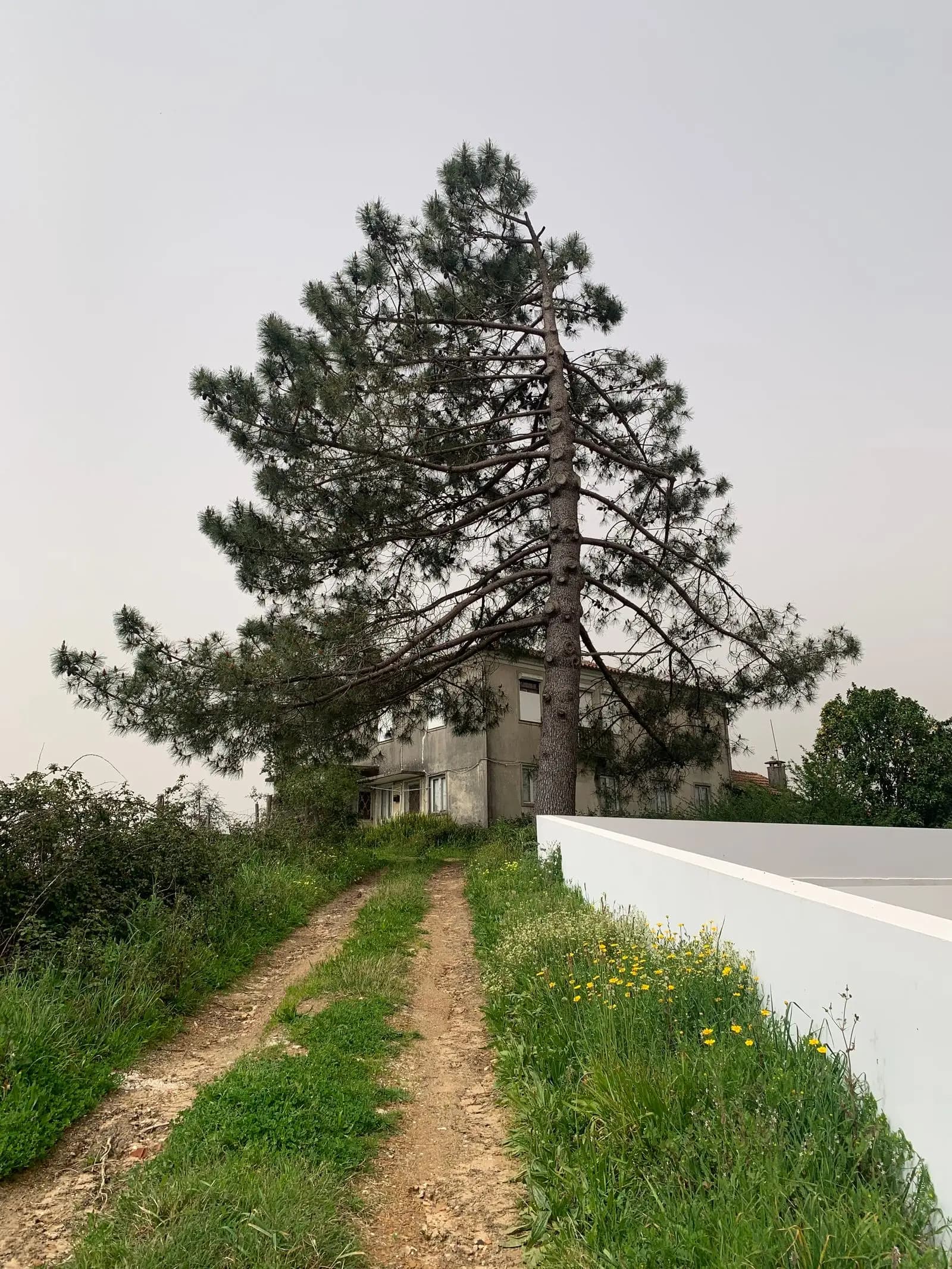
- Tall, straight and shallow-rooted in clay. Snaps mid-trunk or uproots, and attracts lightning.
- Water oak
- Grows fast, then hollows out. Many are in decline by 60 to 80 years and shed large limbs or fail at the base.
- Tulip poplar
- Among the tallest eastern hardwoods, with soft wood. Drops big limbs in summer storms.
- Sweetgum
- Sturdy, but a prolific resprouter after removal. Plan to grind the stump.
- Bradford pear
- Splits at the trunk in ordinary wind once it reaches 15 to 20 years.
- Leyland cypress
- Planted as screening, shallow-rooted, and prone to canker disease and blowdown in rows.
Signs a pine is under beetle attack
Southern pine beetle and Ips engraver beetles kill pines in clusters. An infested tree cannot be saved, and prompt removal protects the pines around it.
Pitch tubes
Popcorn-sized lumps of resin on the bark where beetles bored in.
Boring dust
Reddish-brown dust in bark crevices and at the base.
Needle color
The crown fades from green to yellow to red-brown, sometimes in a few weeks.
Woodpecker flaking
Patches of bark chipped away high on the trunk.
Neighbors dying
A widening group of dead and fading pines means an active spot.
Georgia rules: strict in Atlanta, variable elsewhere
Georgia has no statewide permit for removing trees on private residential land and no state license for tree services. Regulation is local.
The City of Atlanta has one of the strictest ordinances in the Southeast. A permit is required to remove hardwoods 6 inches in diameter and larger and pines 12 inches and larger on private property, and that includes dead, dying and hazardous trees, which are handled through a no-fee permit from the Arborist Division. See the Atlanta page.
Outside the city limits, counties and suburbs such as DeKalb, Sandy Springs, Decatur and Roswell have their own, different rules. Always confirm which jurisdiction your address is in. A mailing address that says Atlanta is often outside the city.
Risk through the Georgia year
| Season | Typical events | Tree impact |
|---|---|---|
| Winter | Occasional ice and wet snow | Pine tops snap. Evergreen limbs break. |
| Spring | Tornadoes and squall lines | Uprooting on saturated clay. Trunk snaps. |
| Summer | Thunderstorms, lightning, drought stress | Pine lightning strikes, beetle outbreaks, sudden limb drop |
| Late summer to fall | Tropical storms moving inland | Widespread blowdown after prolonged rain |
The tall pine by the house: keep it or remove it?
Reasons to keep it
- Full green crown with no pitch tubes or fading
- Straight trunk with no lean toward the house
- It stands in a group, sheltered from prevailing wind
- Root zone undisturbed by recent grading or trenching
Reasons to remove it
- Lightning scar, beetle signs or a thinning crown
- Lean toward the house, or soil lifting at the base
- Neighboring trees were cleared and it is newly exposed
- Fusiform rust canker, a swollen and sunken area on the trunk
Height alone is not a defect. A healthy pine in a group is a reasonable tree to live beside. An isolated, leaning or damaged one within reach of a bedroom is not.
Georgia tree service questions
Do I need a permit to cut down a pine tree in Georgia?
Outside regulated cities, generally no. Inside the City of Atlanta, a pine 12 inches in diameter or larger needs a permit. Other cities and counties set their own thresholds, so check with your local planning or arborist office.
How long do water oaks live?
Water oaks commonly begin to decline between 60 and 80 years and are often hollow well before they look unhealthy. A large water oak near a house should be inspected periodically.
Should I remove all the pines near my house?
Not as a rule. Removing some pines from a group exposes the remaining ones to wind they never grew to resist. Have the group evaluated together.
Who is responsible when a neighbor's tree falls on my house in Georgia?
Usually your own insurer pays for your damage. A neighbor is generally liable only if they knew, or should have known, the tree was dead or defective. See the neighbor's tree guide.
Tree service in Georgia, by phone
Call to be connected with an independent tree company serving your part of Georgia, or leave your number for a callback.
(888) 555-0142Call availability varies by area and time of day
Limbwright is a referral service. Your call or request goes to an independent tree service company that sets its own prices and schedule. Ask for proof of insurance and a written scope before work starts. How this works
Request a callback
Leave a number and a tree service provider in your area will call you.