
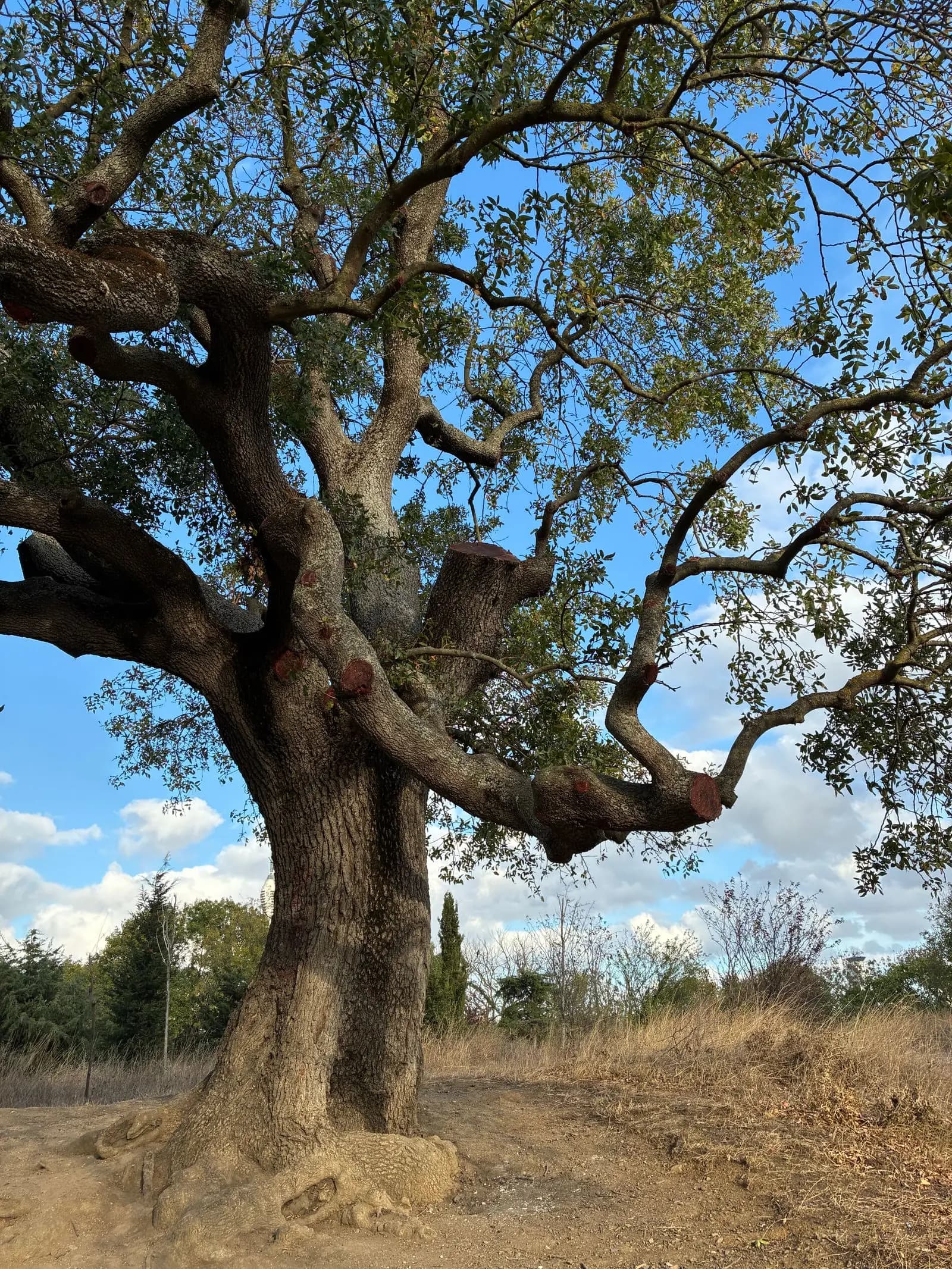
Texas
Tree Removal and Tree Service in Texas
Texas has no statewide permit for removing a tree on private land. Rules are set by each city and range from almost none in Houston to strict protection in Austin. What every region shares is weather that swings between drought, ice and violent wind.
Do you need a permit to remove a tree in Texas?
Not from the state. Each city writes its own ordinance, and the three largest markets we cover could hardly be more different.
- Austin
- Trees 19 inches in diameter and larger are protected, and heritage trees of listed species at 24 inches face much tighter limits. Details on the Austin page.
- Dallas
- Single-family and duplex lots under two acres are exempt from the removal permit. Details on the Dallas page.
- Houston
- The city ordinance focuses on street and right-of-way trees. Most trees on a private residential lot are the owner's decision. Details on the Houston page.
- Everywhere
- HOA deed restrictions are common in Texas suburbs and can require approval even where the city does not.
Four regions, four sets of problems
| Region | Main threats | Trees most affected |
|---|---|---|
| Gulf Coast (Houston, Galveston, Beaumont) | Hurricanes, derechos, saturated clay | Water oak, pine, pecan, Chinese tallow |
| Central Texas (Austin, San Antonio, Hill Country) | Oak wilt, ice storms, drought on thin limestone soil | Live oak, Spanish oak, Ashe juniper, cedar elm |
| North Texas (Dallas, Fort Worth) | Straight-line wind, tornadoes, freezes, shrink-swell clay | Post oak, Bradford pear, Arizona ash, hackberry |
| East Texas Piney Woods | Wind, pine bark beetles, drought | Loblolly and shortleaf pine |
Oak wilt changes when and how oaks are cut
Oak wilt is a fungal disease that has killed oaks across Central Texas and has been confirmed in many counties beyond it. Red oaks such as Spanish and Shumard oak can die within weeks. Live oaks die more slowly, and because their roots graft together the disease moves through whole neighborhoods underground.
It also spreads overland. Sap-feeding beetles carry spores to fresh wounds, and they are most active in spring. The Texas A&M Forest Service advises against pruning or wounding oaks from February through June and recommends painting every cut on an oak immediately, at any time of year.
For tree work this means three things: schedule oak pruning for the heat of summer or the cold of winter, insist on wound paint, and never move firewood from a diseased red oak. See tree trimming in Austin for how this plays out locally.
Common Texas yard trees and their weak points
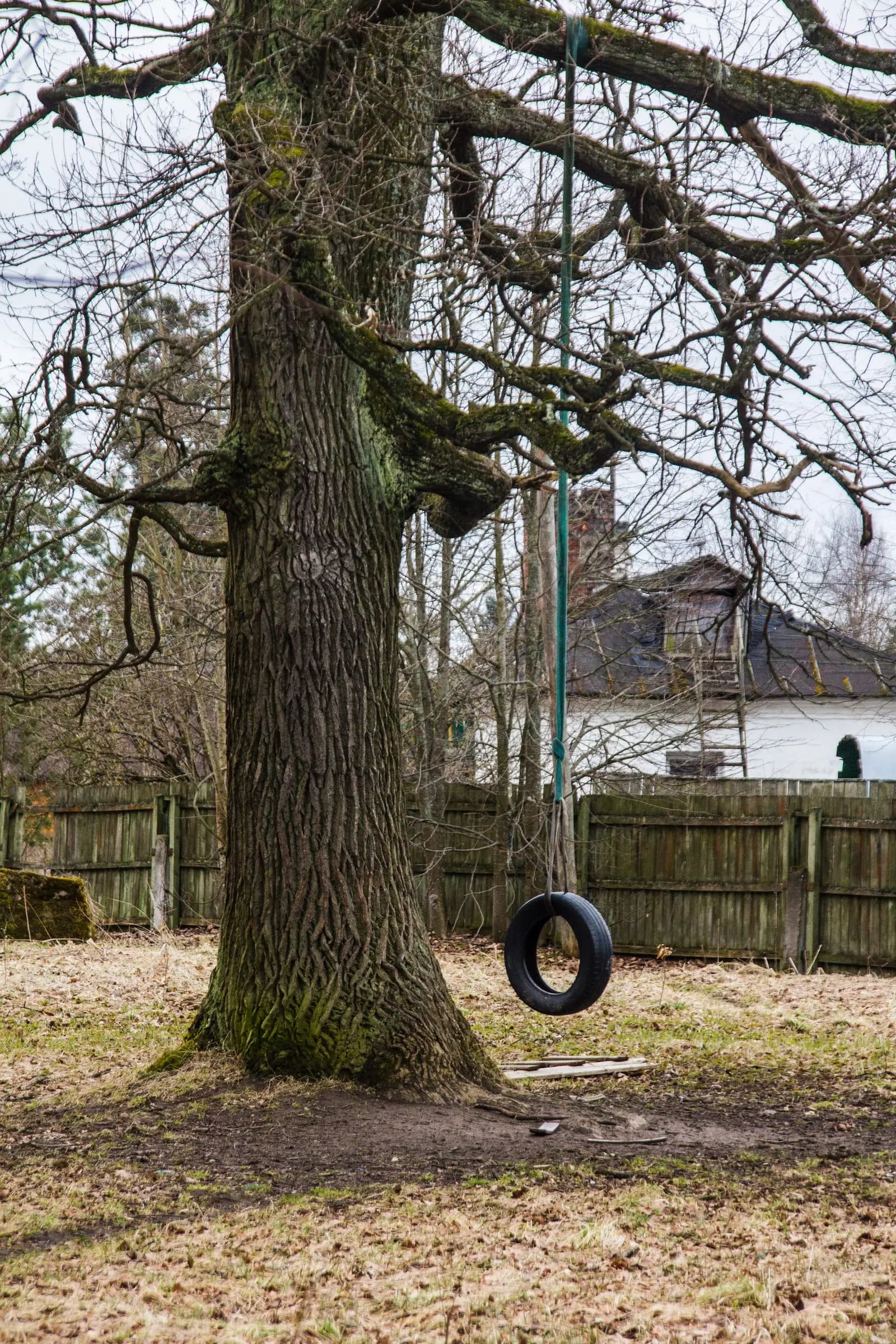
- Live oak
- Long-lived and strong in wind. Heavy horizontal limbs broke widely under ice in 2021 and 2023. Susceptible to oak wilt.
- Post oak
- Native to North and Central Texas and intolerant of root disturbance. Often declines within years of construction around it.
- Pecan
- The state tree. Brittle wood and heavy limbs that drop in summer, sometimes with no wind at all.
- Cedar elm
- Tough and drought tolerant. Tends to form tight V-shaped unions that split.
- Arizona ash
- Fast-growing and short-lived, often failing by 30 years. Also a host for emerald ash borer, now present in North Texas.
- Bradford pear
- Splits apart at the trunk, usually between 15 and 25 years old.
Clay, drought and trees near foundations
Much of Dallas, Houston and the I-35 corridor sits on expansive clay that swells when wet and shrinks when dry. Tree roots draw moisture from that clay, and during drought the soil beneath a nearby slab can shrink unevenly. Foundation engineers sometimes recommend root barriers or removing a tree close to the house for this reason.
Removing a large tree is not automatically the fix. Soil that was being dried by roots can rehydrate and heave. If foundation movement is the reason for removal, get the engineer's recommendation in writing first. The Dallas page goes into the Blackland clay in more detail.
Drought itself is a slow killer. The 2011 drought killed hundreds of millions of trees statewide according to Texas A&M Forest Service estimates, and many died a year or two afterward. Trees that leaf out thin following a dry summer deserve a closer look.
Texas cities with local pages
What Texas weather does to trees
Ice
The February 2021 freeze and Austin's ice storm of early 2023 brought down evergreen live oaks and junipers, which carry leaves all winter and catch far more ice than bare trees.
Hurricane wind on wet ground
Beryl in July 2024 uprooted thousands of trees across the Houston area after a wet spring.
Derechos and downbursts
Fast straight-line winds snap trunks and strip one side of a crown in minutes.
Hard freezes
Palms, citrus and other marginal species die back or die outright, sometimes not showing it until summer.
Summer limb drop
On hot, still afternoons, large limbs of pecan, elm and oak can fall without warning.
Texas tree service questions
When should oak trees be trimmed in Texas?
The lowest-risk periods are mid-summer and mid-winter. The Texas A&M Forest Service advises against pruning oaks from February through June, when the beetles that spread oak wilt are most active. Paint every oak cut immediately, whatever the season.
Does Texas require tree services to be licensed?
No. Texas has no state license for tree work. ISA certification is voluntary. That makes it more important to ask for proof of liability insurance and workers' compensation before hiring.
Can my HOA stop me from removing a tree?
It may be able to. Many Texas deed restrictions require architectural committee approval for removing trees above a certain size, separate from any city rule. Check your covenants.
Is a tree killed by the freeze dangerous?
A dead tree is hazardous whatever killed it. Trees that failed to leaf out after a hard freeze should be confirmed dead in late spring, then removed before the wood becomes brittle. See dead tree removal.
Tree service in Texas, by phone
Call to be connected with an independent tree company serving your part of Texas, or leave your number for a callback.
(888) 555-0142Call availability varies by area and time of day
Limbwright is a referral service. Your call or request goes to an independent tree service company that sets its own prices and schedule. Ask for proof of insurance and a written scope before work starts. How this works
Request a callback
Leave a number and a tree service provider in your area will call you.