
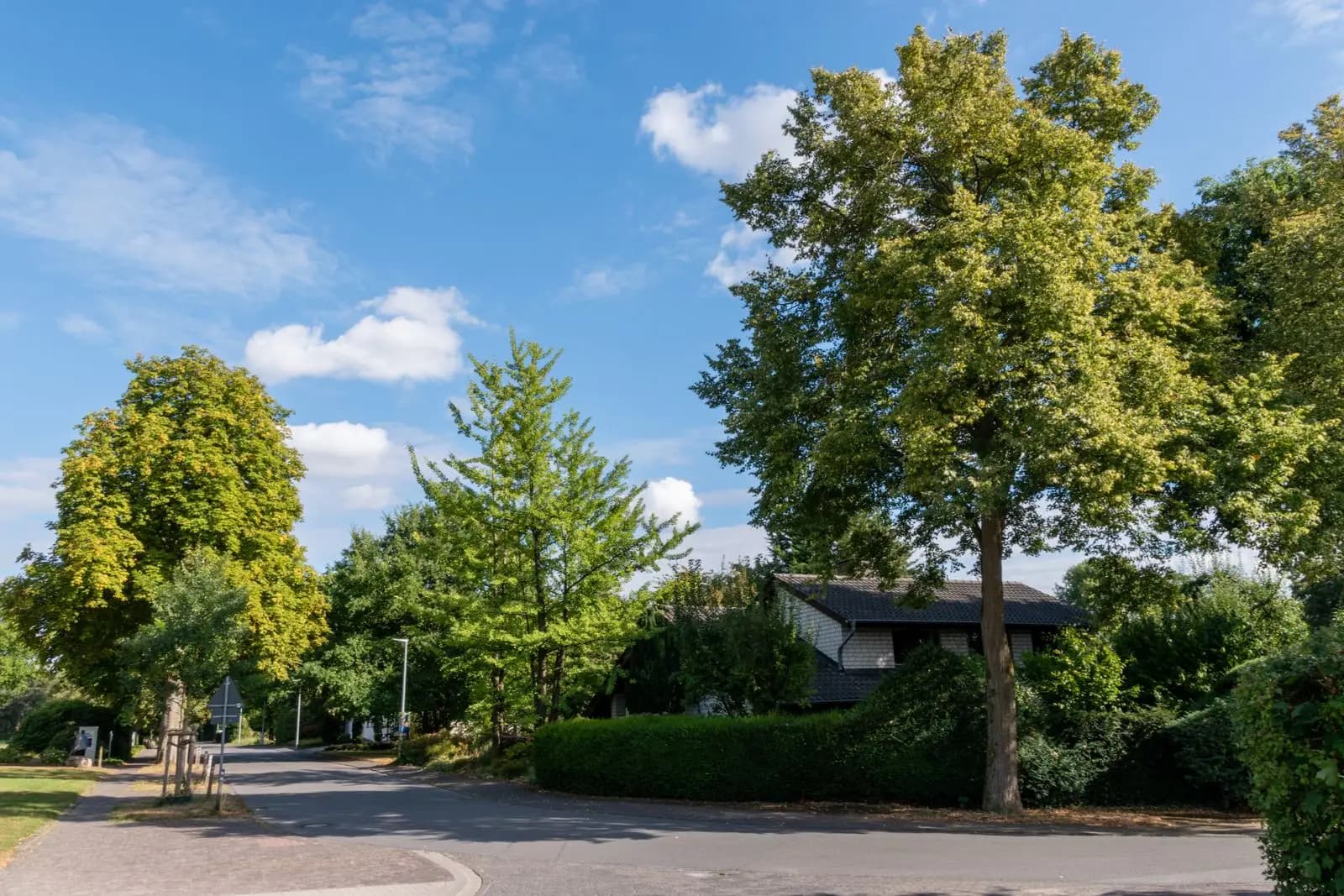
Orlando, Florida
Tree Removal and Tree Service in Orlando
Orlando is 40 miles from either coast and still gets hurricane wind. The city requires a permit for most tree removals and waives it when a qualified arborist documents that a residential tree is dangerous.
- County
- Orange
- Tree permits
- City of Orlando, Parks Division
- Key local rule
- Permit required to remove trees in city limits, with a documented-danger exemption for residential property
- Electric utilities
- OUC and Duke Energy
- Main hazards
- Hurricanes, lightning, lake-edge saturated soil
Do you need a permit to remove a tree in Orlando?
In most cases, yes. The City of Orlando requires a tree removal permit within city limits, and it issues them for trees that are unhealthy, dead, hazardous or otherwise a problem.
- Residential exemption
- No permit is needed for a residential tree if you have a report from an ISA arborist holding the Tree Risk Assessment Qualification, or from a Florida-licensed landscape architect, confirming the tree poses a danger.
- Who applies
- The property owner or the tree company, through the city's online application.
- Not in the city?
- Unincorporated Orange County, Winter Park, Maitland and other municipalities have their own rules. A large part of the metro area is outside Orlando city limits.
How the Orlando permit process works
Applications for removal or for encroachment into a tree's root zone go to the city's Parks Division. City staff may inspect the tree. Removal of a healthy tree can come with a replacement planting requirement.
For a tree you believe is dangerous, the faster route is the assessment described above. Keep the signed report. It is your evidence if the removal is ever questioned, and it is what Section 163.045 of the Florida Statutes requires you to have in hand before the tree is cut.
Street trees, between the sidewalk and the curb, belong to the city. Report problems with them to the city instead of hiring someone to work on them.
What 2004 taught Orlando about its trees
In August and September 2004, Hurricanes Charley, Frances and Jeanne crossed Central Florida within six weeks. Charley arrived as a compact, intense storm and tore through Orlando's oak canopy in a single evening.
Laurel oaks took the worst of it. They had been planted across the city for decades because they grow quickly, and by 2004 many were mature, top-heavy and decayed inside. Live oaks beside them mostly stood.
Ian in 2022 and Milton in 2024 added flooding and more wind. Replanting since 2004 has favored live oak and other sturdier species, but tens of thousands of older laurel oaks are still standing over houses in College Park, Delaney Park, Colonialtown and Conway.
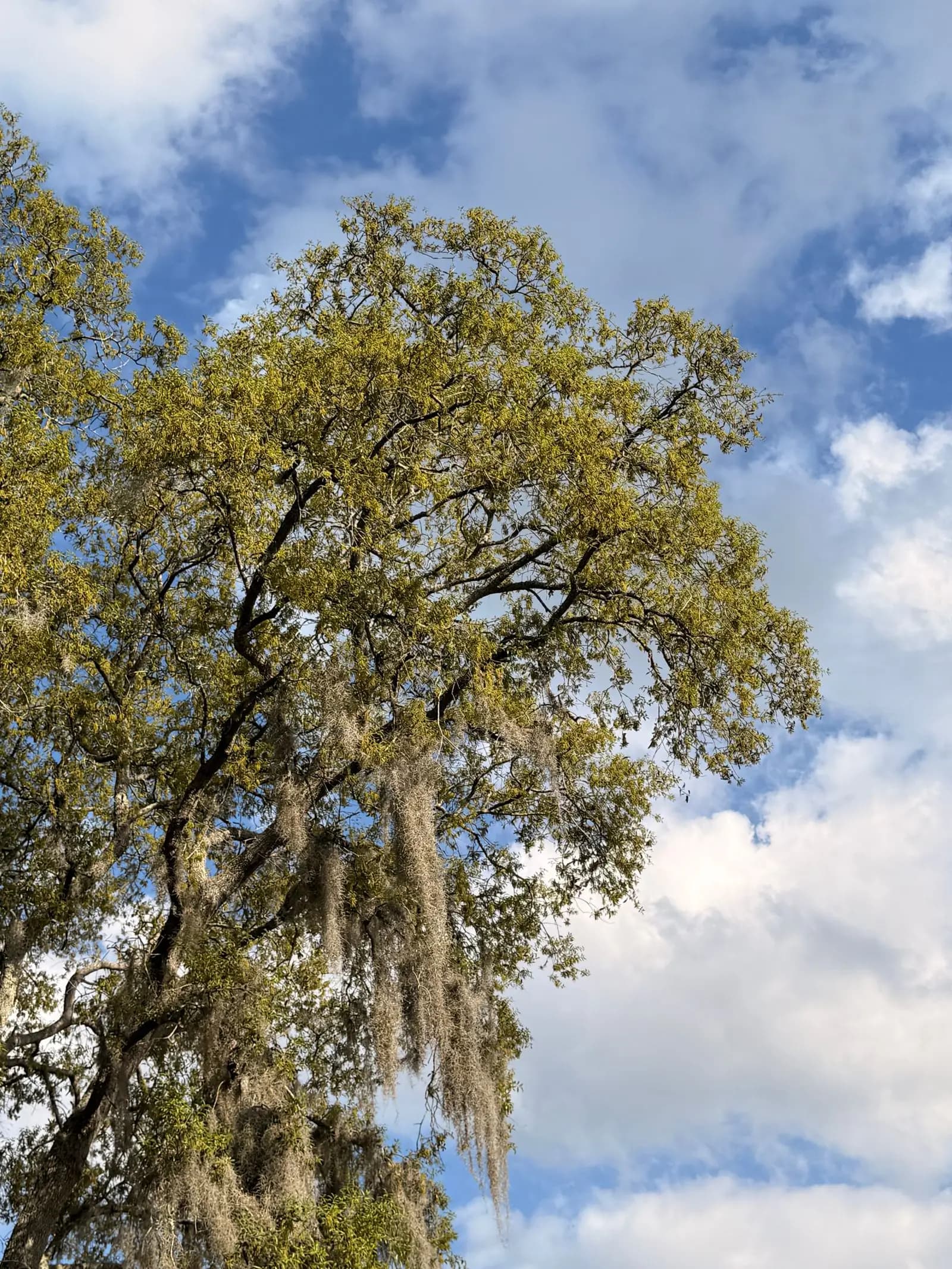
Trees behind most Orlando service calls
- Laurel oak
- Short-lived for an oak and prone to hollow trunks. The most common hazardous-tree removal in the city.
- Live oak
- The tree to keep. Needs periodic pruning for dead wood and roof clearance.
- Camphor tree
- An invasive species with brittle limbs and aggressive roots that sprouts hard from the stump.
- Slash and longleaf pine
- Lightning targets. Often die months after a strike or a hurricane.
- Queen palm
- Low wind resistance, and vulnerable to Ganoderma butt rot.
- Sabal palm
- The state tree and very wind-firm. Needs only dead fronds removed.
Lakes, sand and sinking ground
Orlando has more than a hundred lakes inside the city limits, and much of the surrounding housing stands on sandy soil with a high water table. Trees close to a lake edge root shallowly and tip more easily when the ground is saturated.
Lots that flooded during Ian stayed wet for weeks in some neighborhoods. Prolonged flooding suffocates roots, and affected trees may drop leaves, thin out and die over the next year or two.
Central Florida also has sinkhole-prone geology. A tree that begins to lean together with a new depression in the yard is not a tree problem alone. Keep people away and call the insurer and a geotechnical professional.
An Orlando owner's pre-season checklist
- This week
A laurel oak older than about 50 years leans over the house
Order a TRAQ assessment. If it documents danger, the report also serves as your permit exemption.
- This week
A pine was struck by lightning this summer
Watch the crown. If needles are browning, remove it before beetles spread to nearby pines.
- This week
Dead limbs hang over the roof or driveway
Schedule crown cleaning before June.
- Act now
A tree is failing now, or is on the house
Call for emergency removal. Imminent danger does not wait on paperwork, but photograph it first.
- Plan it
You want a healthy tree gone for light or a pool
Apply for the city permit and expect a replanting condition.
Services most requested in Orlando
- Hazardous tree removalDeclining laurel oaks and leaning pines.
- Tree risk assessmentThe report that state law and the city both recognize.
- Storm damage tree removalCleanup after hurricanes and summer squalls.
- Stump grindingEspecially for camphor, which resprouts.
- TampaTree rules on the Gulf side of the I-4 corridor.
Orlando tree questions
Can I remove a dangerous tree in Orlando without a permit?
Yes, on residential property, if you hold a signed report from a TRAQ-qualified ISA arborist or a Florida-licensed landscape architect confirming the danger. Without that documentation, apply for the city permit.
Is Winter Park covered by Orlando's tree rules?
No. Winter Park is a separate city with its own tree ordinance, as are Maitland and other neighboring municipalities. Unincorporated Orange County has county rules.
How do I tell whether my oak is a laurel oak?
Laurel oak leaves are thin, smooth and flat, often widest near the middle. Live oak leaves are thicker and stiffer with edges that curl under. An arborist can confirm at a glance.
Does Orlando get enough wind to bring trees down?
Yes. Hurricanes weaken over land but regularly reach Orlando with tropical-storm to hurricane-force gusts, and saturated ground does the rest.
Reach a tree service in Orlando
Call to be connected with an independent tree company that works in the Orlando area, or leave your number and one will call you back.
(888) 555-0142Call availability varies by area and time of day
Limbwright is a referral service. Your call or request goes to an independent tree service company that sets its own prices and schedule. Ask for proof of insurance and a written scope before work starts. How this works
Request a callback
Leave a number and a tree service provider in your area will call you.