
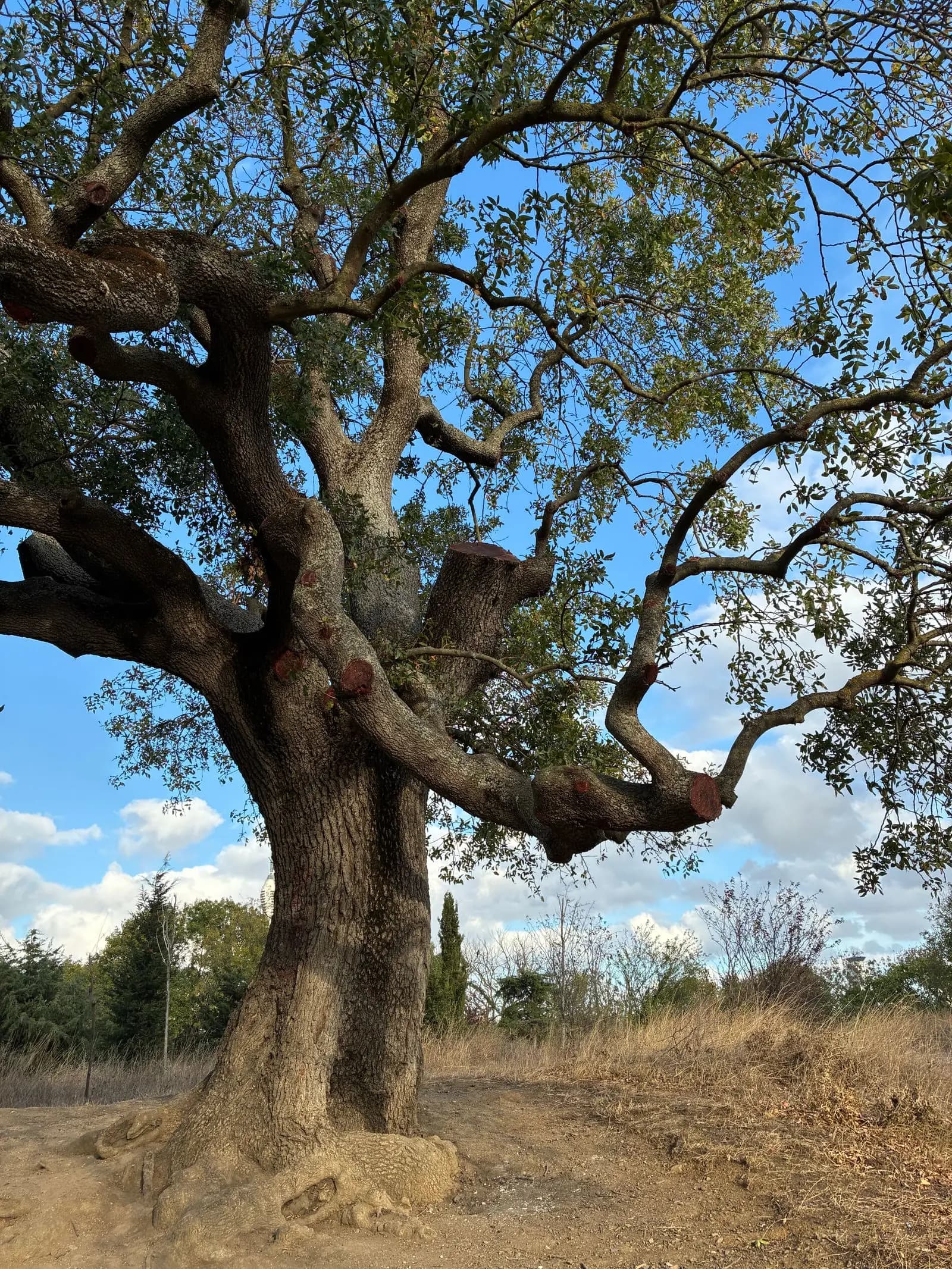
Austin, Texas
Tree Removal and Tree Service in Austin
Austin has the strictest tree rules of any large Texas city. A tree 19 inches or more in diameter is protected and needs a permit to remove, and heritage trees of listed species at 24 inches face tighter limits still. Oak wilt then decides when oaks can be cut.
- County
- Travis (parts in Williamson and Hays)
- Tree permits
- City Arborist, Development Services Department
- Key local rule
- Protected at 19 inches in diameter. Heritage at 24 inches for listed species.
- Electric utility
- Austin Energy
- Main hazards
- Ice storms, oak wilt, drought, wildfire on the west side
Austin tree sizes and what each means
Diameter is measured 4.5 feet above the ground. Multi-trunk trees use a formula, so ask the City Arborist's office if yours is borderline.
| Trunk diameter | Status | Removal |
|---|---|---|
| Under 19 inches | Not protected on most existing residential lots | No city tree permit for removal, though development sites and some overlays differ |
| 19 inches and larger | Protected tree | City permit required. Granted for dead, diseased or imminent-hazard trees and limited other cases. |
| 24 inches and larger, listed species | Heritage tree | Removal prohibited except in narrow circumstances. Healthy trees may need a variance. |
Heritage species include all oaks, pecan, bald cypress, American elm, cedar elm, Texas ash, Texas madrone, bigtooth maple and Arizona and eastern black walnut.
How the permit works in practice
Applications go to the City Arborist program. For a dead or failing protected tree, the application is typically supported by photos and often an arborist's letter, and approval is routine.
A tree that poses an imminent hazard can be removed first, with documentation submitted afterward. Take clear, dated photos of the defect before any cutting. For a healthy protected tree the bar is high, and mitigation by replanting or a fee is the norm.
Pruning has limits as well. Removing more than a quarter of a protected tree's canopy, or damaging its critical root zone, can count as removal. Westlake Hills, Rollingwood, Lakeway and other neighboring cities have separate ordinances.
The 2023 ice storm
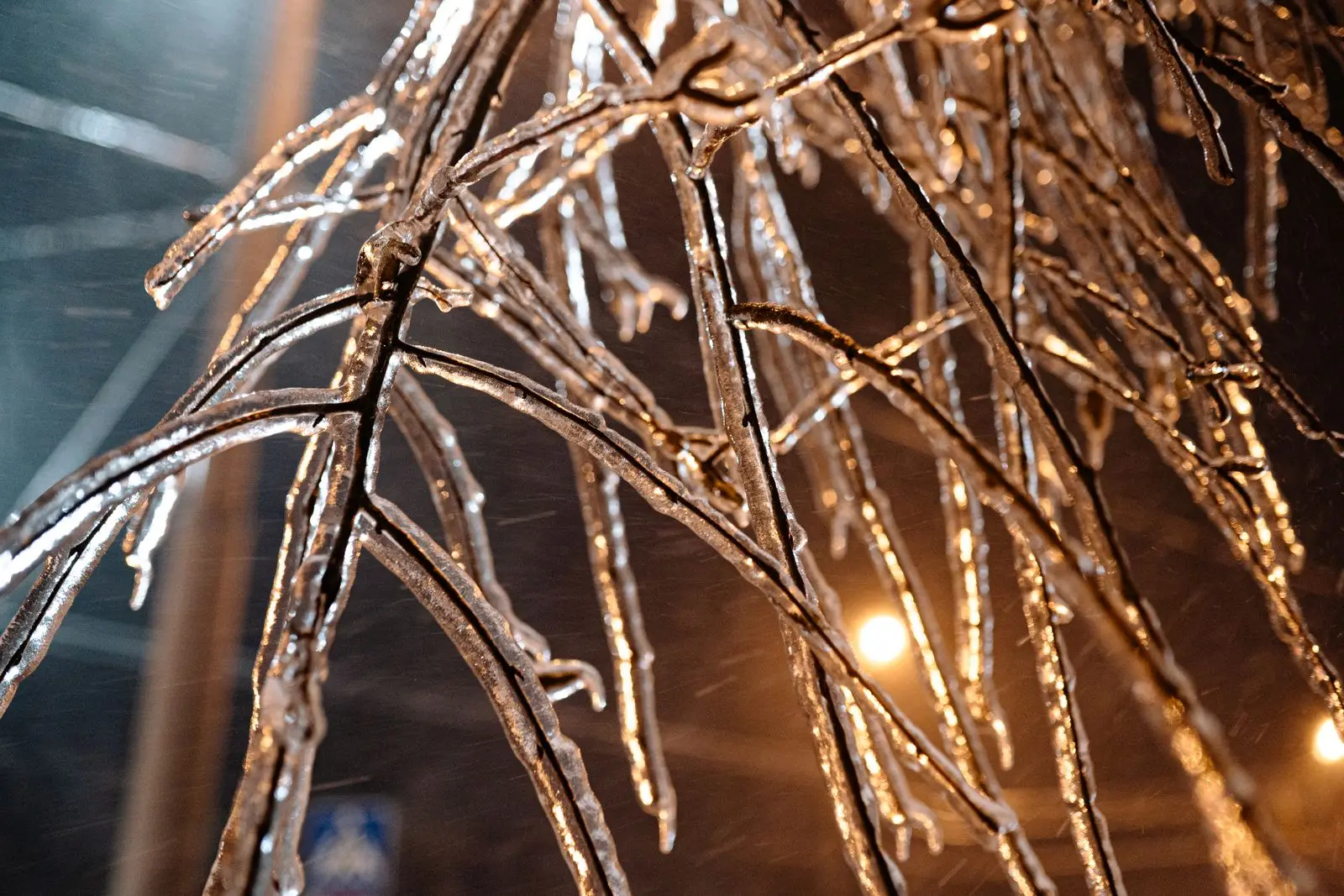
From January 30 to February 2, 2023, freezing rain coated Austin and the Hill Country. Live oaks and Ashe junipers, both evergreen, carried the load on every leaf. Limbs a foot thick broke, and the sound of cracking wood went on for two days.
Austin Energy described it as one of the most damaging storms its system has faced, and well over a hundred thousand customers lost power at the peak, some for more than a week.
The cleanup removed the obvious breakage. What remains are trees with torn limb stubs, long cracks and lopsided crowns. Many are protected-size live oaks. Restoration pruning over several years can rebuild them, and it has to be scheduled around oak wilt season.
Oak wilt decides the calendar
Travis County is in the heart of the Texas oak wilt area. The disease kills red oaks quickly and moves through connected live oak root systems, taking out whole streets of trees.
City and state guidance is to avoid pruning or wounding oaks from February through June and to paint every oak wound right away, in any month. That includes the cut stump surface of a removed red oak and any accidental wounds from equipment.
For removals, the rule that matters is about wood. Red oaks that died of oak wilt can form spore mats under the bark, so the wood should be chipped, burned or buried, not stacked as firewood.
Austin trees by terrain
Interstate 35 roughly divides the city's soils. Thin limestone lies to the west, deep clay to the east.
- Live oak (west and central)
- The signature tree. Long-lived, usually protected size, and vulnerable to oak wilt and ice.
- Ashe juniper (west)
- Called cedar locally. Dense, flammable and prone to ice breakage. Clearing near homes is part of wildfire preparation.
- Spanish oak (west)
- A red oak that dies fast from oak wilt and drought on thin soil.
- Cedar elm (citywide)
- Hardy and common. Heritage species at 24 inches.
- Pecan (creeks and east side)
- Very large along Shoal, Waller and Boggy creeks. Heavy limbs fail in storms.
- Hackberry and chinaberry
- Short-lived volunteers. Frequently removed and seldom protected by size.
Before you remove a tree in Austin
- Act now
A limb or tree is on the house or about to fall
Photograph it and call for emergency removal. File documentation with the city afterward if the tree is protected size.
- This week
A protected-size tree is dead or failing
Apply for the permit with photos. Approval for dead trees is usually quick.
- This week
An oak needs pruning and it is February to June
Wait if you can. If a hazard forces a cut, paint it immediately.
- Plan it
You want to remove a healthy 19-inch-plus tree
Talk to the City Arborist's office first. Expect mitigation, and for heritage trees a difficult case.
Austin-relevant services and guides
- Tree trimming in AustinOak wilt-safe pruning and ice storm restoration.
- Tree risk assessmentDocumentation that supports a permit application.
- Dead tree removalDrought- and oak wilt-killed trees.
- Can a storm-damaged tree be saved?Judging ice-broken live oaks.
- Texas overviewHow Austin's rules compare with Dallas and Houston.
Austin tree questions
How do I know if my tree is protected in Austin?
Measure the trunk's circumference 4.5 feet above the ground and divide by 3.14. If the result is 19 inches or more, it is a protected tree. At 24 inches or more and one of the listed species, it is a heritage tree.
Can I remove a dead protected tree without a permit?
A permit is still required, but dead and imminently hazardous trees are approved readily. For a true emergency, remove the hazard and submit photos and documentation afterward.
What is the penalty for removing a protected tree without a permit?
Violations can bring fines and required mitigation, which is calculated per inch of trunk removed and can be costly for large trees. Contractors can be cited along with owners.
Does Austin Energy trim trees near lines?
Yes. Austin Energy maintains clearance around its distribution lines on a cycle. Owners are generally responsible for the service line to the house and should coordinate any work near it with the utility.
Reach a tree service in Austin
Call to be connected with an independent tree company that works in the Austin area, or leave your number and one will call you back.
(888) 555-0142Call availability varies by area and time of day
Limbwright is a referral service. Your call or request goes to an independent tree service company that sets its own prices and schedule. Ask for proof of insurance and a written scope before work starts. How this works
Request a callback
Leave a number and a tree service provider in your area will call you.