
North Carolina
Tree Removal and Tree Service in North Carolina
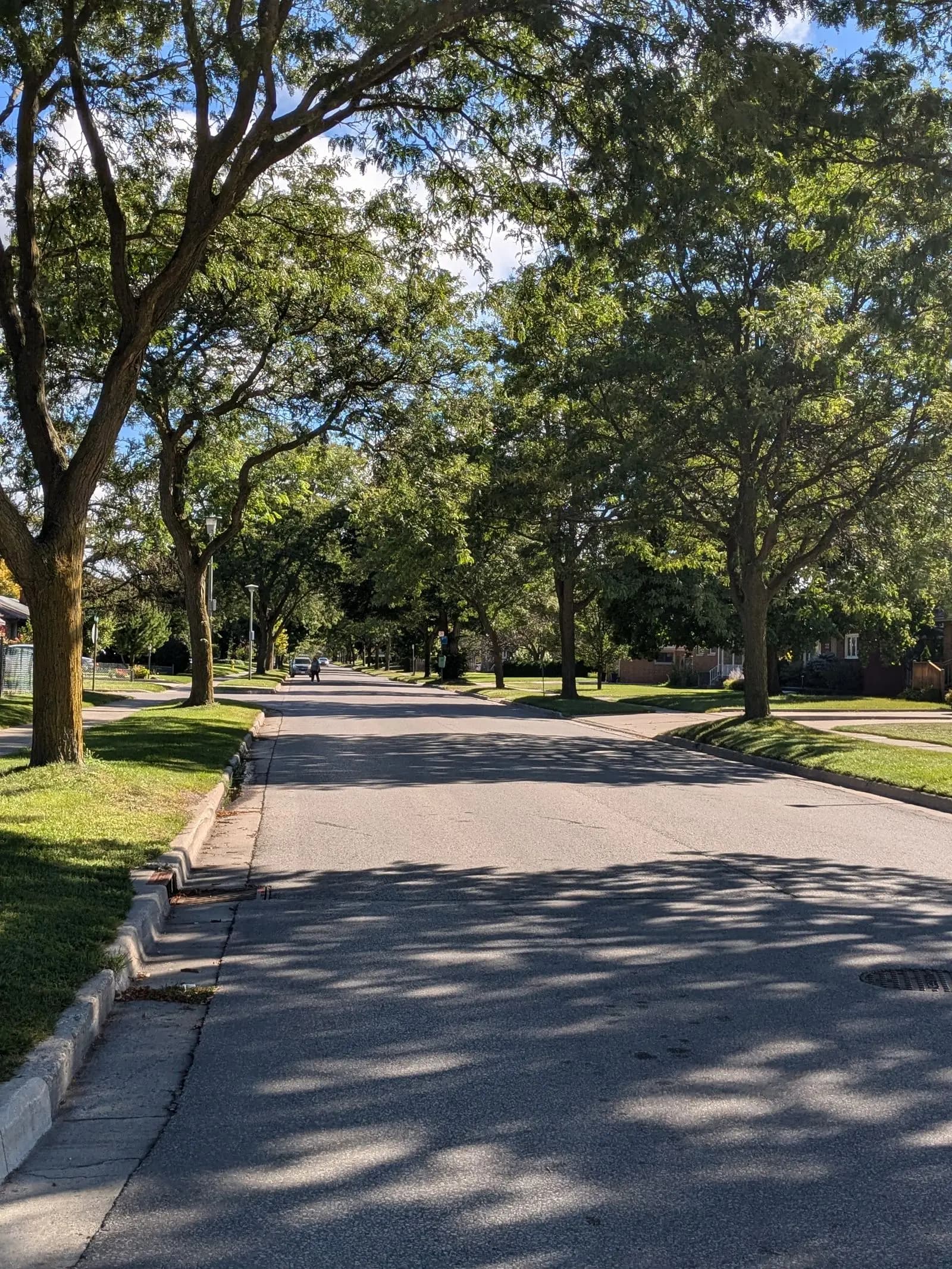
North Carolina gets tree damage from every direction: hurricanes off the Atlantic, ice storms across the Piedmont, and tropical remnants that stall over the mountains. The cities here are known for their oaks, and many of those oaks were planted about a century ago.
Three regions, three storm patterns
On the coastal plain the threat is hurricane wind and flooding. Fran in 1996 carried hurricane-force gusts all the way to Raleigh and flattened trees across the Triangle. Florence in 2018 sat over the southeast for days.
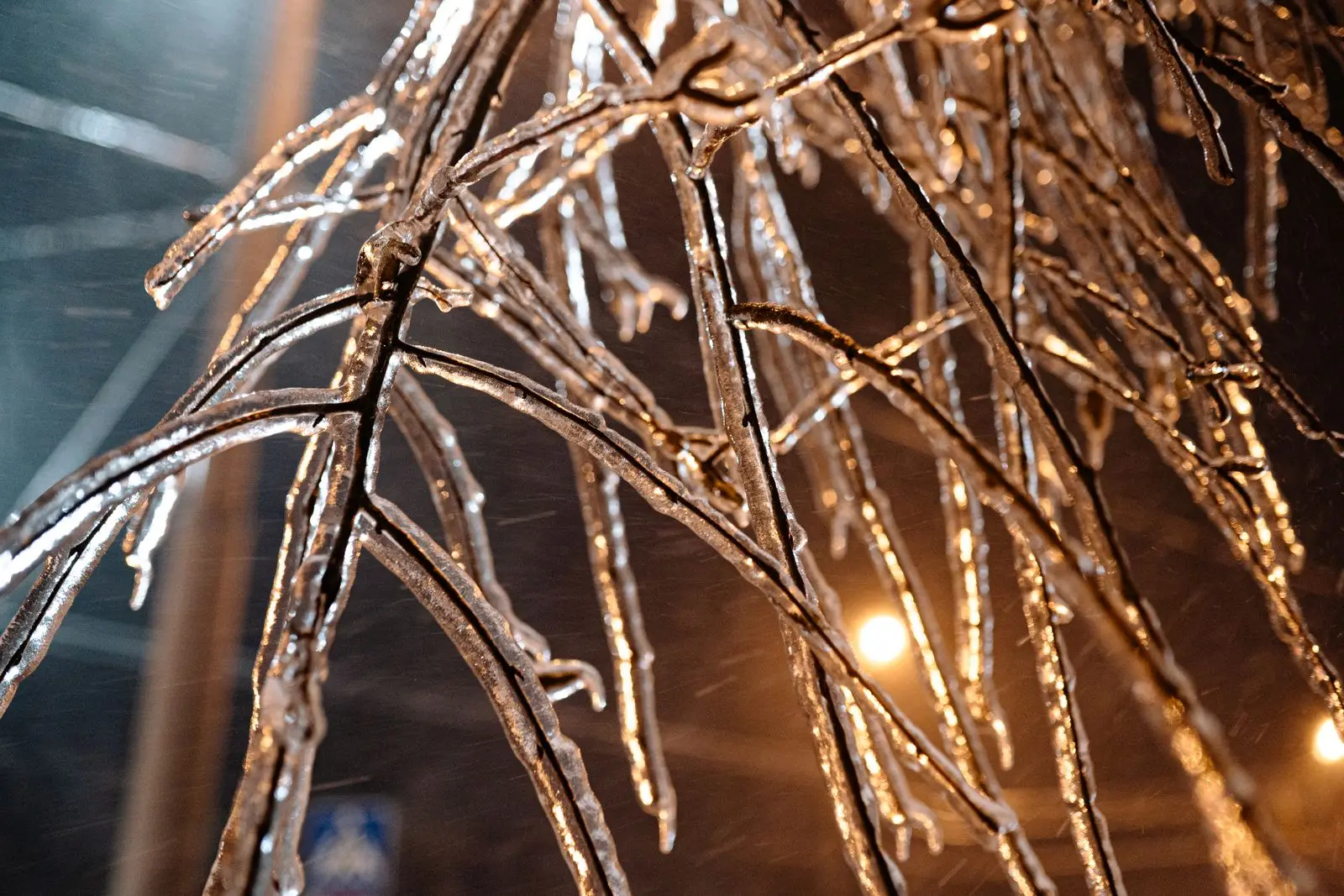
The Piedmont, where most residents live, is ice storm country. Cold air dams against the mountains while moisture rides over it, and freezing rain coats every twig. The December 2002 ice storm left well over a million customers without power, mostly because of trees.
In the mountains the damage comes from water. Helene in September 2024 dropped extreme rainfall on slopes already soaked, and flooding and landslides took down forest and yard trees across western North Carolina.
What to expect by region
| Region | Leading causes of tree failure | Typical work |
|---|---|---|
| Coastal plain | Hurricane wind, salt, saturated sandy soil | Pine blowdown, storm cleanup, leaning tree removal |
| Piedmont (Charlotte, Triad, Triangle) | Ice loading, summer thunderstorms, old street oaks | Large oak removal, crown cleaning, emergency limb removal |
| Mountains | Flooding, slope failure, high-elevation wind, hemlock loss | Hazard tree removal on steep ground, dead hemlock removal |
North Carolina trees that keep crews busy
- Willow oak
- The signature street tree of Charlotte and Raleigh. Many were planted in the 1910s to 1930s and are now dropping large limbs or declining together.
- Loblolly pine
- Bends and snaps under ice. Uproots in hurricanes.
- Tulip poplar
- Very tall and fast-growing, with brittle upper limbs.
- Red maple
- Common in yards. Prone to included bark and trunk decay from old wounds.
- Bradford pear
- Splits apart in ice and wind. The state has run bounty programs encouraging its removal.
- Eastern hemlock
- Mountain hemlocks killed by hemlock woolly adelgid become brittle standing snags.
Why Piedmont ice storms do so much damage
Freezing rain is heavier than it looks. A quarter inch of ice adds hundreds of pounds to a medium tree, and a half inch can multiply branch weight many times over. Pines carry needles all winter and take the full load. Hardwoods fare better when bare, which is why early-season storms that catch oaks still in leaf are the worst.
Failures come in a pattern: pine tops snap first, then long horizontal hardwood limbs peel off at the trunk, then whole trees go where roots were already weak.
After an ice storm, leave coated trees alone until the thaw. Knocking ice off breaks frozen wood. Once it melts, check for hanging limbs and lengthwise cracks, then compare what you find with the save-or-remove table on the storm damage page.
Tree rules in North Carolina cities
North Carolina has no statewide residential tree permit and no state license for tree services. Cities regulate under their own development ordinances.
Charlotte's Unified Development Ordinance, in effect since June 2023, protects heritage trees: native North Carolina species 30 inches in diameter or larger on private property. Removal requires a city permit and mitigation by replanting or a fee. See the Charlotte page.
Raleigh does not generally require a permit to remove trees on an existing single-family lot, although street trees in the right-of-way belong to the city and historic and conservation overlay districts add restrictions. See the Raleigh page.
Insects and diseases behind dead-tree removals
- Emerald ash borer
- Present statewide. Untreated ash trees die within a few years of infestation and become brittle quickly.
- Hemlock woolly adelgid
- Has killed large numbers of hemlocks in the mountains.
- Southern pine beetle and Ips
- Follow drought, lightning and storm damage in pine stands.
- Cankerworms
- Repeated spring defoliation has stressed Charlotte's willow oaks in outbreak years.
- Armillaria and Ganoderma root rots
- Common in old urban oaks. Often discovered only when a tree fails at the base.
North Carolina tree service questions
Do I need a permit to remove a tree on my property in North Carolina?
The state does not require one. Cities may. Charlotte requires a permit for native trees 30 inches in diameter and larger, while Raleigh generally does not regulate trees on existing single-family lots. Check with your city.
Are pines or oaks more likely to fall in a hurricane?
Pines are more likely to snap, and oaks more likely to uproot when soil is saturated. Old hollow oaks and exposed, isolated pines are the highest-risk trees of each kind.
What should I do with ash trees on my lot?
With emerald ash borer established statewide, the options are preventive insecticide treatment for healthy, valued ash or removal. Dead ash should be taken down promptly. See dead tree removal.
Is winter a good time for tree removal here?
Yes. Demand is lower between ice events, leaves are off the hardwoods, and crews can see structure clearly.
Tree service in North Carolina, by phone
Call to be connected with an independent tree company serving your part of North Carolina, or leave your number for a callback.
(888) 555-0142Call availability varies by area and time of day
Limbwright is a referral service. Your call or request goes to an independent tree service company that sets its own prices and schedule. Ask for proof of insurance and a written scope before work starts. How this works
Request a callback
Leave a number and a tree service provider in your area will call you.