
Minnesota
Tree Removal and Tree Service in Minnesota
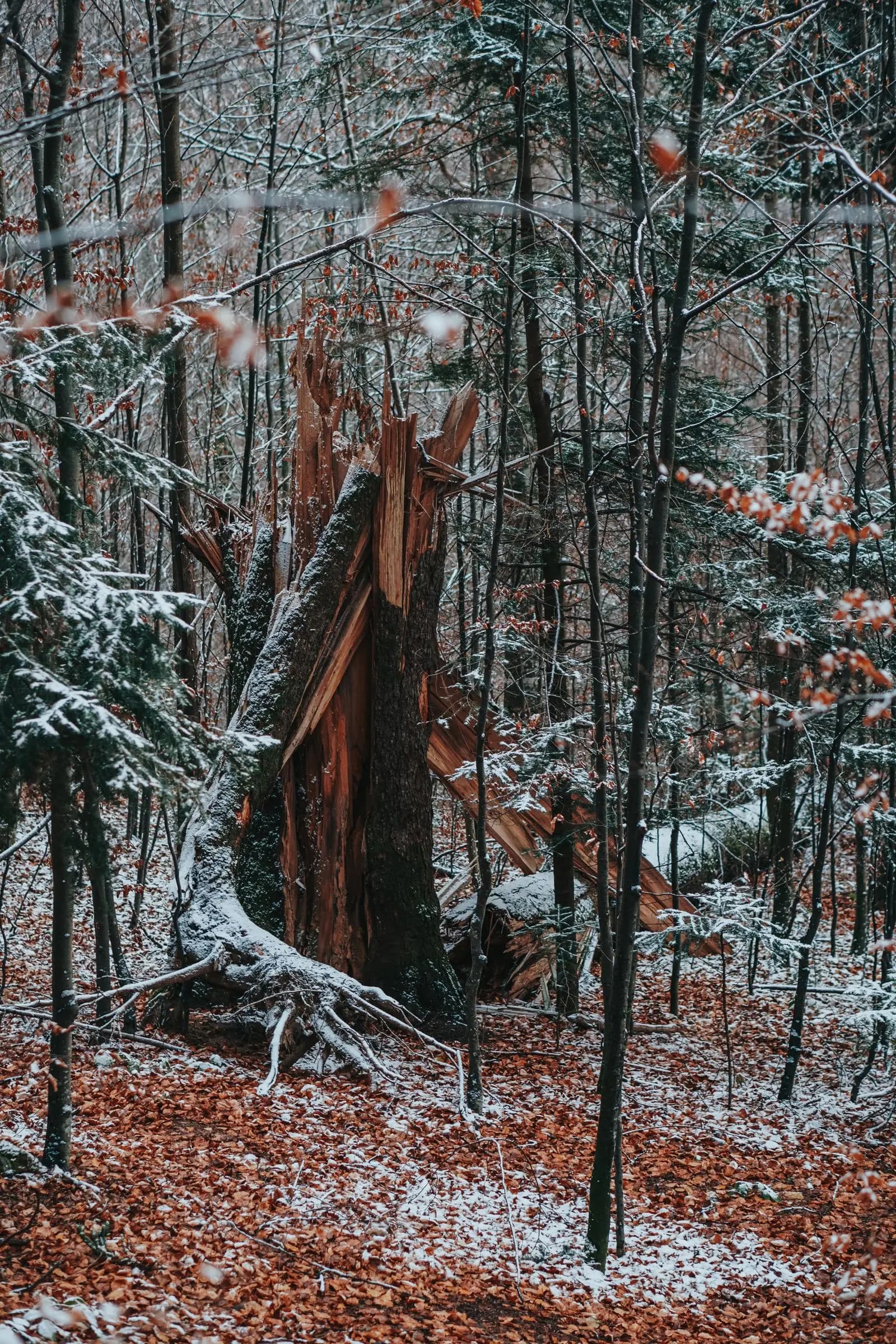
Much of Minnesota's tree removal is driven by three diseases and pests: emerald ash borer, oak wilt and Dutch elm disease. Each comes with rules about when to cut and what to do with the wood. Summer windstorms supply the rest of the work.
Three killers that reshaped the canopy
Dutch elm disease came first. From the 1970s it removed most of the American elms that arched over Twin Cities streets, and cities replanted heavily with green ash.
Emerald ash borer was found in St. Paul in 2009 and has spread across the metro and well beyond. With roughly a billion ash trees in the state, the most of any in the country, the loss is still unfolding. Infested trees die within a few years and turn brittle.
Oak wilt is the third. It kills red oaks in a single season and spreads both through root grafts and by beetles carrying spores to fresh wounds in spring. It is established across east-central and southeastern Minnesota and continues to move north.
Pest and disease quick reference
| Problem | Trees affected | Key sign | What it means for tree work |
|---|---|---|---|
| Emerald ash borer | All native ash | Top-down thinning, woodpecker damage, D-shaped holes | Treat or remove. Do not move ash wood out of quarantined areas. |
| Oak wilt | Red oaks most severely. Bur and white oaks more slowly. | Leaves wilt and drop from the top in summer | No pruning in the high-risk spring period. Diseased red oak wood must be handled properly. |
| Dutch elm disease | American and other elms | Yellowing, wilting branches in early summer | Prompt removal. Many cities require it. |
| Bur oak blight | Bur oak | Leaf browning late in summer, worse each year | Monitor. Removal when decline is advanced. |
Why winter is removal season
In most of the country winter is the slow season for tree work. In Minnesota it is one of the best times, and many companies stay busy through it.
Frozen ground carries heavy equipment without rutting lawns, so a bucket truck or loader can reach trees that would be off limits in a wet spring. Leaves are down, structure is visible, and there is less debris to chip.
It is also the safe period for oaks and elms. With disease-carrying insects inactive, cutting carries no risk of spreading oak wilt or Dutch elm disease. If an ash or a declining oak is coming out anyway, booking it for January or February is sound planning.
Oak pruning calendar for Minnesota
The University of Minnesota Extension and the DNR publish oak wilt risk periods. In broad terms:
| Period | Oak wilt risk | Guidance |
|---|---|---|
| April through mid-July | High | Do not prune or wound oaks. If storm damage forces a cut, seal it right away. |
| Mid-July through October | Low | Pruning is possible but best avoided if it can wait. |
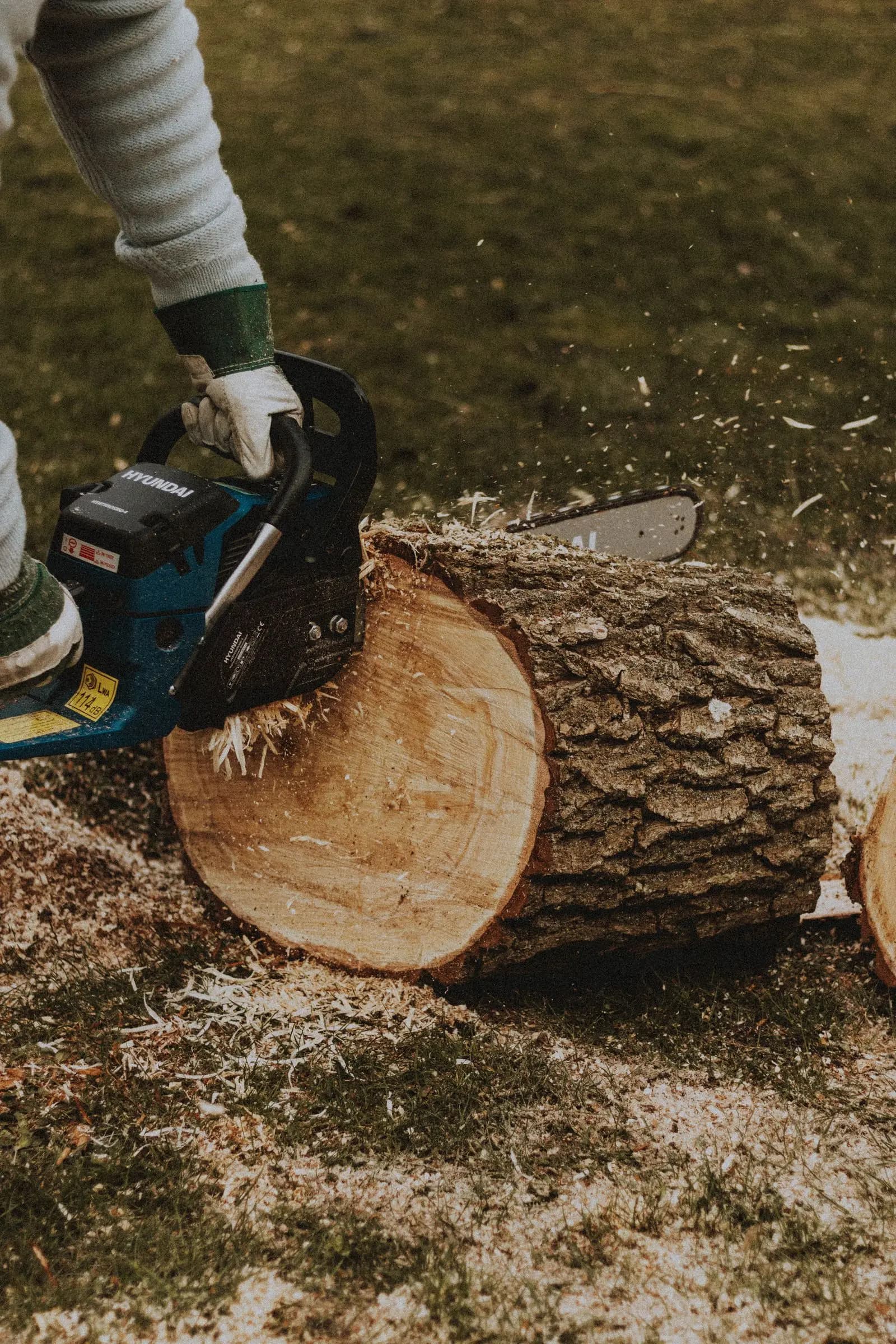
| November through March | Safe | The recommended window for all oak pruning and removal. |
Exact dates shift with spring temperatures. Check the current Minnesota DNR oak wilt status before scheduling.
State registry and city condemnation
Minnesota requires tree care companies to register with the Minnesota Department of Agriculture's Tree Care Registry. It is a registration, not a competency license, but it gives owners a public list to check.
Cities here have unusual authority over diseased trees on private land. In Minneapolis, the Park and Recreation Board inspects and condemns ash infested with emerald ash borer and elms with Dutch elm disease. Owners are given a deadline, typically 60 days, to remove a condemned tree, and if they do not, the Board can have it removed and assess the cost to the property. See the Minneapolis page.
Otherwise, removing a healthy tree on a private residential lot generally needs no permit in Minneapolis. Suburbs vary.
Weather that brings Minnesota trees down
- Summer derechos and downbursts
- Straight-line winds over 70 miles per hour flatten trees across wide areas, mostly in June and July.
- Tornadoes
- The May 2011 tornado through North Minneapolis destroyed thousands of boulevard and yard trees.
- Heavy wet snow
- Spring and fall snow on leafed-out trees breaks limbs. Spruce and arborvitae splay.
- Ice
- Less frequent than farther south, but damaging when it comes.
- Frost cracks and winter drying
- Long vertical splits in thin-barked trees, and browning of evergreens.
Minnesota tree service questions
When can oak trees be trimmed in Minnesota?
The safe window is November through March. Avoid pruning oaks from April through mid-July, when oak wilt risk is high. If an oak is wounded in that period, seal the cut immediately.
What happens if my ash tree is condemned?
You receive written notice with a deadline to remove it. You can hire your own contractor or, in Minneapolis, have the Park Board's contractor do it and pay through a property assessment. Assistance programs exist for some homeowners.
Can trees be removed when the ground is frozen?
Yes, and it is often easier. Frozen ground protects lawns from equipment. Stump grinding can also be done in winter, though deep frost slows it.
Can I keep the firewood from my ash or oak?
Ash wood should stay inside the quarantine area. Wood from a red oak killed by oak wilt can spread the disease if stored uncovered through the next spring. Have it chipped, debarked or tightly covered, or removed.
Tree service in Minnesota, by phone
Call to be connected with an independent tree company serving your part of Minnesota, or leave your number for a callback.
(888) 555-0142Call availability varies by area and time of day
Limbwright is a referral service. Your call or request goes to an independent tree service company that sets its own prices and schedule. Ask for proof of insurance and a written scope before work starts. How this works
Request a callback
Leave a number and a tree service provider in your area will call you.