
Portland, Oregon
Tree Removal and Tree Service in Portland
Portland's Title 11 tree code generally requires a permit to remove a tree 12 inches or more in diameter on private property, and every street tree regardless of size. Dead, dying and dangerous trees still need the permit, though that route is simpler.
- County
- Multnomah (parts in Washington and Clackamas)
- Tree permits
- Portland Urban Forestry
- Key local rule
- Title 11: permit for private trees 12 inches in diameter and larger, and for all street trees
- Electric utilities
- Portland General Electric and Pacific Power
- Main hazards
- Ice storms, east wind from the Gorge, saturated winter soil
Do you need a permit to remove a tree in Portland?
For most trees of any size, yes. Title 11 of the city code covers private trees 12 inches and larger in diameter, all street trees and all city-owned trees.
- Private trees
- A removal and replanting permit is needed at 12 inches in diameter, measured 4.5 feet up. Smaller trees on a developed lot generally are not regulated outside special zones.
- Dead, dying or dangerous
- Still permit-required, but handled under the simpler permit type, and the city's main interest is confirming the condition.
- Street trees
- The tree in the planting strip is regulated at any size. The adjacent owner is responsible for its care but needs a permit to prune or remove it.
- Overlay zones
- Environmental and other overlay zones, common in the West Hills and along streams, add their own rules.
How Title 11 treats a removal
Applications go to Urban Forestry. A city tree inspector may visit to confirm the tree's size, species and condition. Replanting is normally a condition of the permit, with the number of replacement trees tied to the size of the tree removed.
For a tree that is dead, dying or dangerous, the City Forester looks at whether practical alternatives would remove the danger. If they would not, or would cost far more than the tree is worth, the permit is granted.
Oregon also requires tree service businesses to hold a Construction Contractors Board license. Portland's suburbs, including Beaverton, Lake Oswego, Gresham and Milwaukie, have separate tree codes.
January 2024 and the east wind
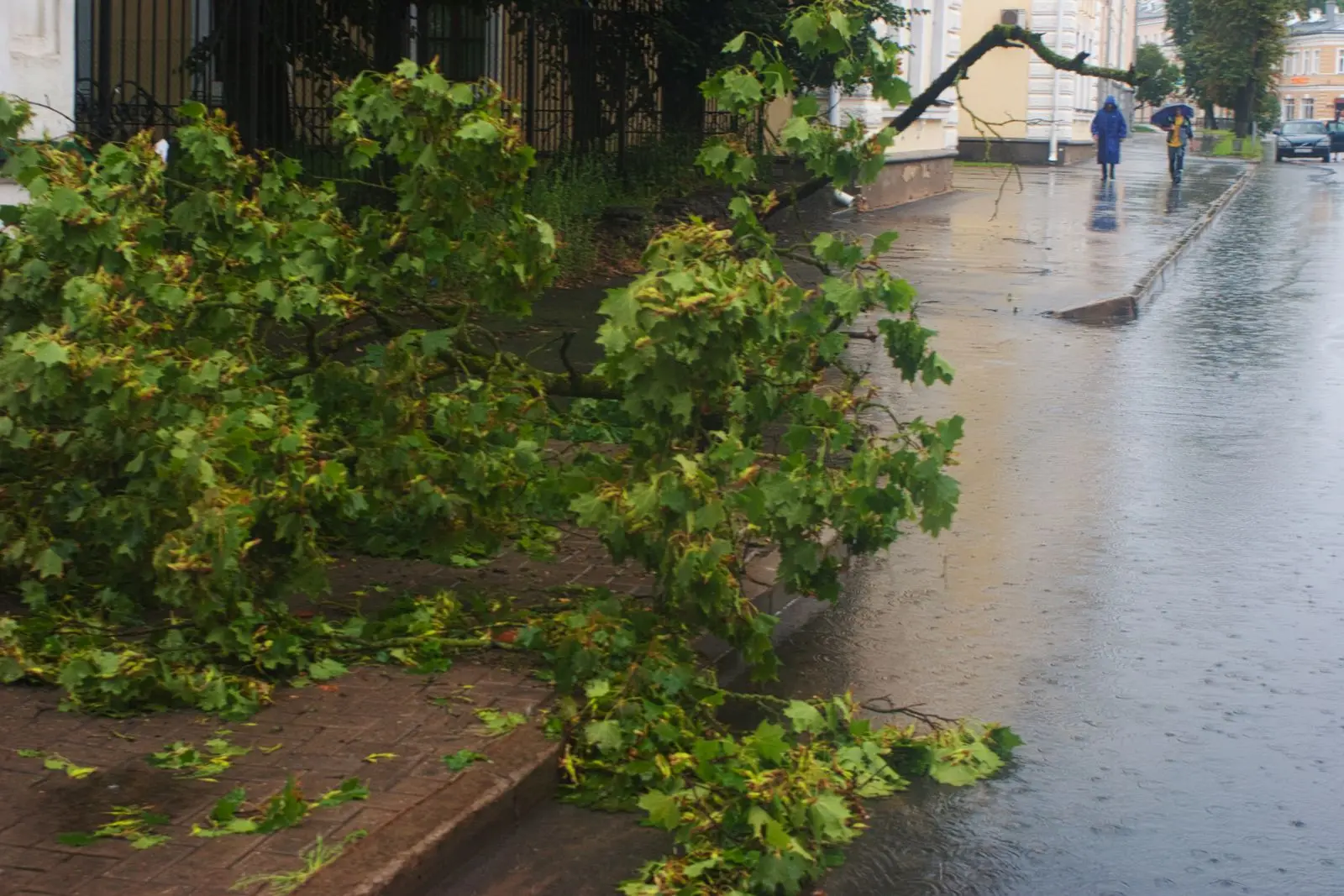
On January 13, 2024, cold air poured out of the Columbia River Gorge with gusts over 50 miles per hour in Portland, followed by snow and then freezing rain. Trees were frozen, loaded and pushed from the east all at once. Hundreds fell on houses, cars and lines across the metro area, and there were deaths.
The February 2021 ice storm had been worse south of the city, in Clackamas County and the mid-Willamette Valley, where ice exceeded an inch.
East Portland, Gresham and Troutdale sit at the mouth of the Gorge and take the strongest east wind. Tall Douglas-firs there, especially ones left standing alone after development, are the trees local arborists watch most closely.
Tree conditions by part of town
| Area | Trees | Typical concerns |
|---|---|---|
| West Hills, Southwest | Douglas-fir, bigleaf maple, cedar on steep slopes | Landslide-prone soils, root disease, overlay zone rules |
| Inner Eastside (Laurelhurst, Irvington, Ladd's Addition) | Large street elms, maples and oaks | Dutch elm disease monitoring, sidewalk lifting, street tree permits |
| Outer East Portland, Gresham | Remnant Douglas-fir groves among houses | East wind exposure, isolated tall firs |
| North Portland, St. Johns | Mixed street trees and bigleaf maple | Decayed maples, ice breakage |
Portland trees and their failure patterns
- Douglas-fir
- Sound trees ride out most storms. Root rot and sudden exposure are the usual reasons they fall.
- Bigleaf maple
- Decay in big limbs and at old wounds. Heavy breakage under ice.
- American elm
- The city monitors its elms for Dutch elm disease and removes infected trees quickly.
- Oregon white oak
- A protected, slow-growing native. Limbs are brittle under ice.
- Birch
- Killed across the city by bronze birch borer. Dead tops are the first sign.
- Ash
- Now threatened by emerald ash borer, confirmed in Washington County in 2022.
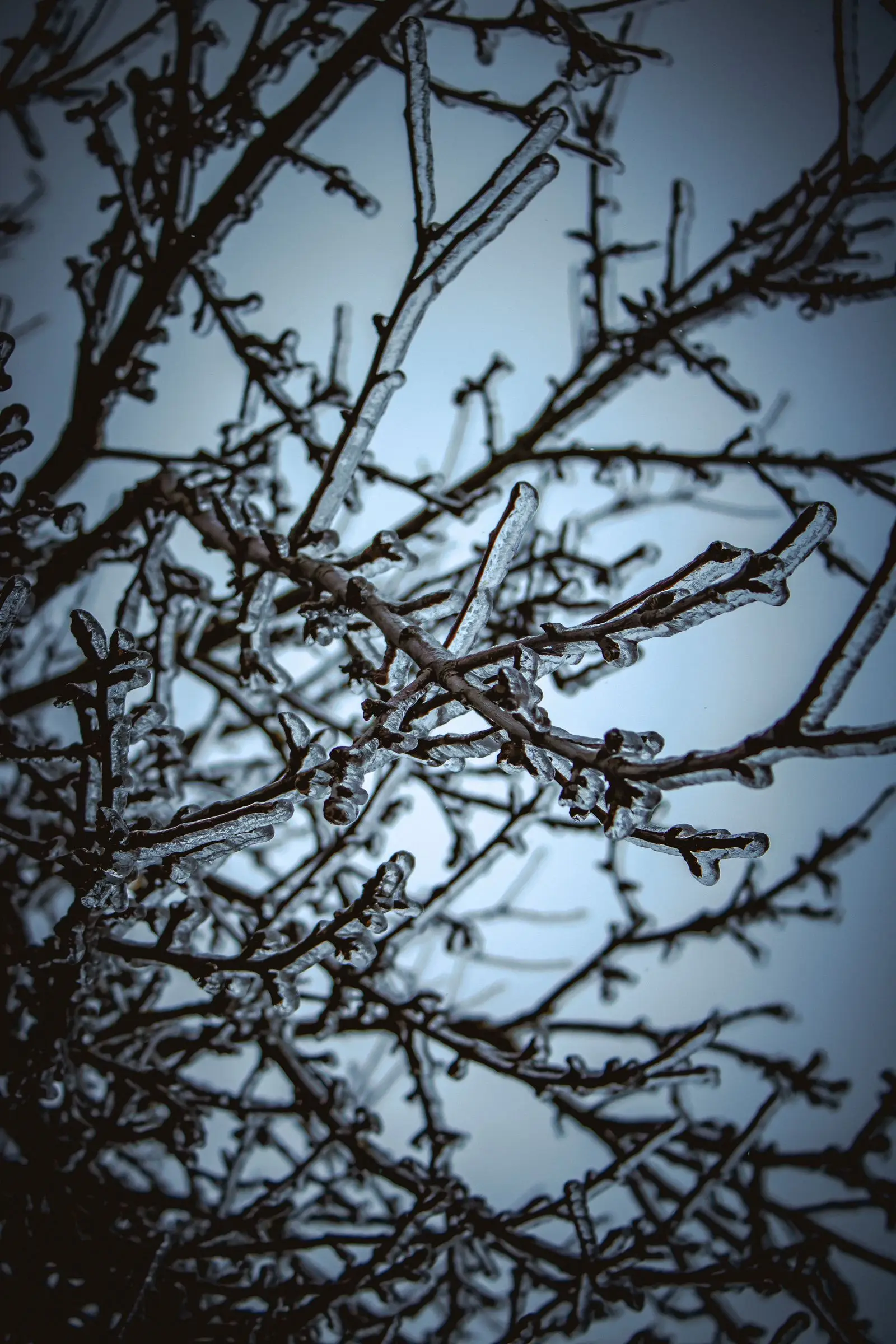
After an ice storm: what to check once it thaws
Broken tops in conifers
A snapped leader leaves a tree that will regrow weakly and needs evaluation.
Limbs hung up in the crown
They drop days or weeks later.
Split forks
Especially in maple, cherry and ornamental pear.
A lean that was not there before
With raised soil on the uphill or windward side.
Bent birches and young trees
Many straighten without help. Give them a season.
Services for Portland properties
Portland tree questions
How big does a tree have to be to need a permit in Portland?
Twelve inches in diameter at 4.5 feet above the ground for trees on private property. Street trees need a permit at any size.
Do I have to replant after removing a tree?
Usually. Replanting is a standard condition of a Title 11 removal permit, and paying into the city's tree fund is sometimes allowed in place of planting.
Can I prune the street tree in front of my house?
Yes, with a street tree pruning permit from Urban Forestry. The permit is how the city makes sure cuts follow proper standards.
What if a tree falls or is about to fall?
Emergencies can be addressed immediately. Take photos, make the situation safe, and contact Urban Forestry afterward to document the removal.
Reach a tree service in Portland
Call to be connected with an independent tree company that works in the Portland area, or leave your number and one will call you back.
(888) 555-0142Call availability varies by area and time of day
Limbwright is a referral service. Your call or request goes to an independent tree service company that sets its own prices and schedule. Ask for proof of insurance and a written scope before work starts. How this works
Request a callback
Leave a number and a tree service provider in your area will call you.