
Louisiana
Tree Removal and Tree Service in Louisiana
Louisiana requires a state license for anyone doing tree work for pay, which is unusual and useful to know before you hire. The other constants are hurricanes, soft alluvial soil and a termite that hollows out living trees.
Hurricane wind on soft ground
South Louisiana is built on river sediment: deep, soft, often wet soil with a water table close to the surface. Roots stay shallow because the soil below is saturated.
Add a major hurricane and the outcome is predictable. Katrina in 2005, Laura in 2020 around Lake Charles, and Ida in 2021 across the southeast each took down enormous numbers of trees, both by snapping them and by pushing them over with the root plate attached.
Recovery work goes on for years. Trees that lost half their crown, pines that were bent, and oaks with torn limbs keep declining and failing long after the debris piles are gone.
Louisiana licenses arborists. Ask for the number.
Tree work for compensation in Louisiana requires an arborist license issued through the Louisiana Department of Agriculture and Forestry's Horticulture Commission. Licensees pass an exam and must carry insurance. Most states have nothing comparable.
For a property owner this is a practical screening tool. Ask any company for its Louisiana arborist license number and confirm it with the department, especially after a hurricane when out-of-state crews arrive.
Permits are a separate, local question. In New Orleans, the Department of Parks and Parkways controls trees on public property and in the right-of-way, including the strip between sidewalk and street, and a permit is needed to prune or remove them. See the New Orleans page.
Louisiana trees in a storm
- Live oak
- Low, wide and deeply buttressed. The best hurricane survivor in the landscape, though large limbs still break.
- Bald cypress
- The state tree. Flexible, deep-anchored and very wind resistant.
- Water oak
- Fast-growing, short-lived and frequently hollow. A leading cause of house strikes.
- Pecan
- Brittle wood. Loses major limbs or splits at the trunk.
- Loblolly and slash pine
- Snap mid-trunk in high wind. Survivors may die later from beetles.
- Chinese tallow
- Invasive, weak-wooded and quick to resprout from the stump.
Formosan termites in living trees
The Formosan subterranean termite is established across south Louisiana and, unlike native termites, readily infests live trees. A tree can look healthy while its core is eaten away.
Mud in wounds and cracks
Dried, soil-like carton material packed into pruning cuts, cavities or bark seams.
Shelter tubes
Pencil-width mud tubes running up the bark.
Swarms
Winged termites emerging from the trunk or base on warm, humid evenings in late spring.
Hollow sound
A drum-like tone when the lower trunk is tapped.
Failure with a clean, hollow break
Trunks that snap in moderate wind and show galleries packed with carton.
Before, during and after hurricane season
| When | Task |
|---|---|
| January to May | Have large trees near the house inspected. Remove dead trees and dead limbs. Prune for structure. |
| June to July | Finish any remaining work. Photograph your trees and house for insurance records. |
| A storm is forecast | Do not start major pruning. Fresh debris becomes projectiles, and crews are already committed. |
| After landfall | Stay clear of downed lines. Photograph damage. Deal with trees on structures first. |
| Following months | Reassess damaged trees. Watch pines for browning and beetles. |
Caring for old live oaks
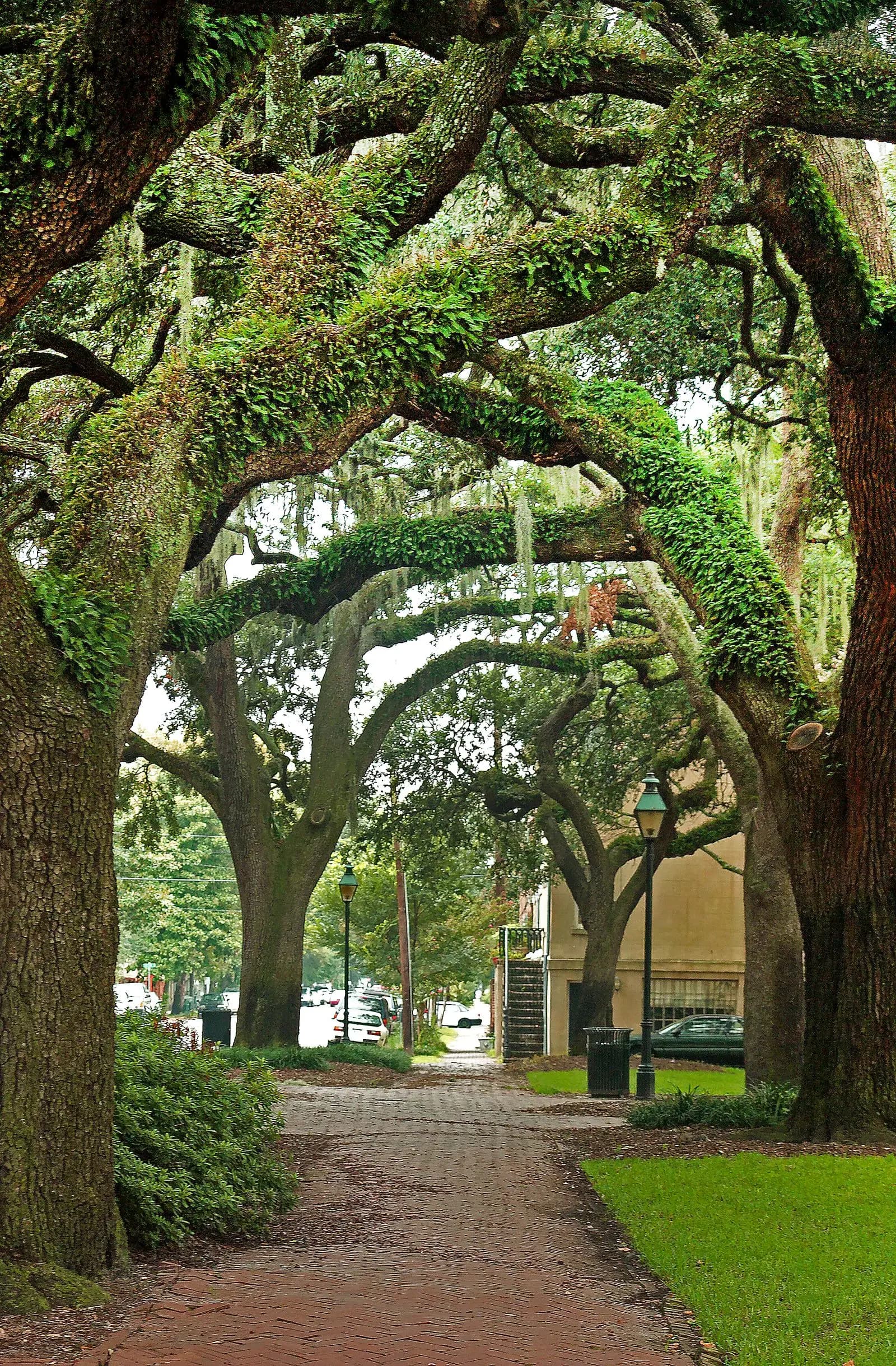
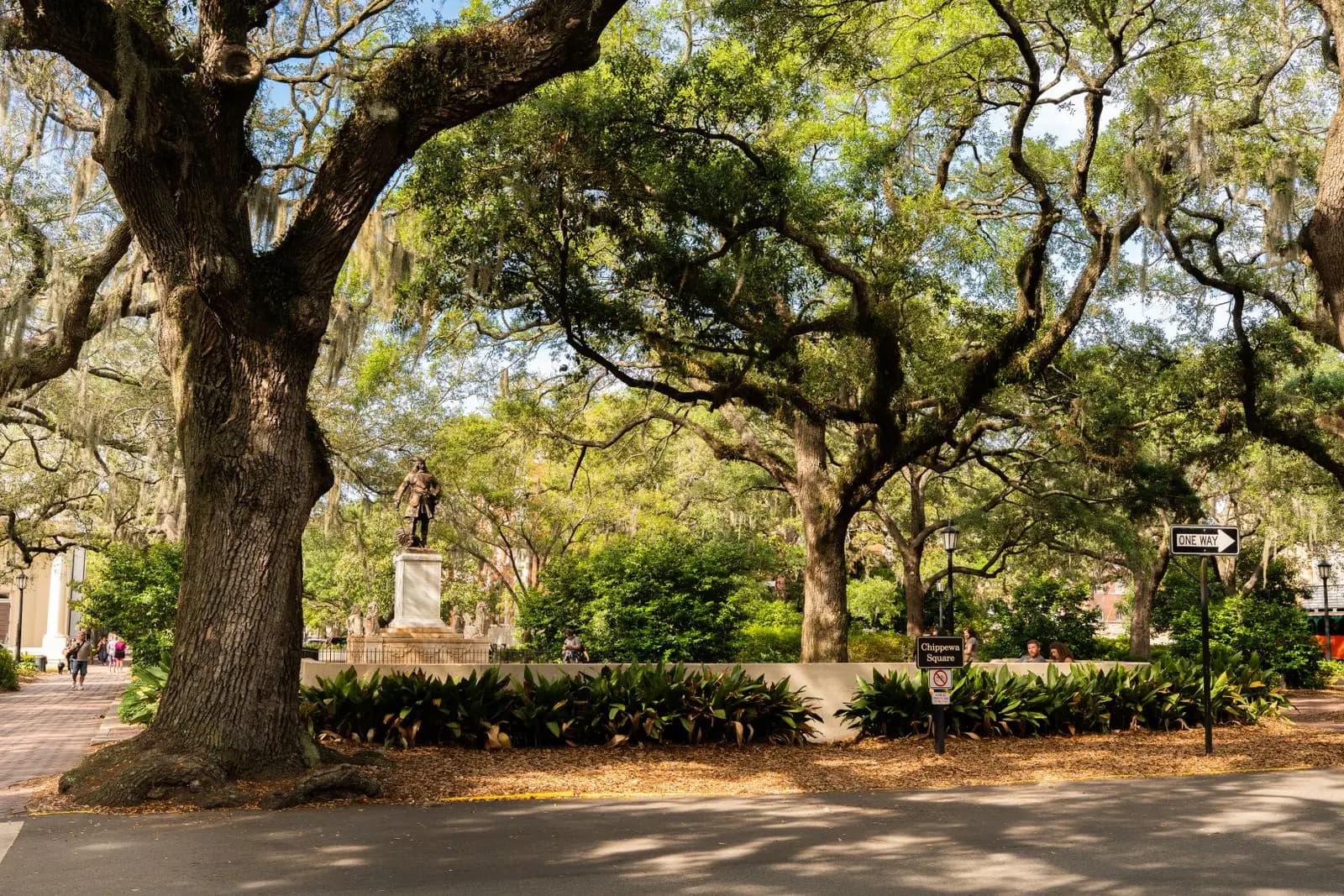
Live oaks are central to the look of Louisiana towns, and many are well over a century old. They tolerate wind well, but they are sensitive to what happens at ground level.
The root zone extends far beyond the branch tips and sits in the top foot or two of soil. Paving, trenching, added fill and parked vehicles compact or sever those roots, and the tree declines over the following decade.
Pruning should be conservative: dead wood, clearance and reduction of overextended limbs, with large interior cuts avoided. Removal of a sound live oak is seldom necessary, and in some districts and parishes it is restricted. Where a limb is the concern, look at pruning options first.
Louisiana tree service questions
Does a tree service need a license in Louisiana?
Yes. Louisiana requires an arborist license from the Department of Agriculture and Forestry's Horticulture Commission for tree work done for pay. Ask for the license number and proof of insurance.
Can I remove the tree between the sidewalk and the street in New Orleans?
Not without a permit. Trees in the public right-of-way are under the Department of Parks and Parkways, and pruning or removal requires its approval.
Do Formosan termites mean the tree has to come down?
Not always. Infestations can be treated, and a tree with limited internal damage can remain. If a large share of the trunk is hollow and the tree is within reach of a building, removal is usually advised.
Does hurricane insurance cover tree removal?
Homeowners policies usually pay to remove a tree that fell on an insured structure, within stated limits. In Louisiana a separate named-storm or hurricane deductible often applies, and it can be a percentage of the home's insured value.
Tree service in Louisiana, by phone
Call to be connected with an independent tree company serving your part of Louisiana, or leave your number for a callback.
(888) 555-0142Call availability varies by area and time of day
Limbwright is a referral service. Your call or request goes to an independent tree service company that sets its own prices and schedule. Ask for proof of insurance and a written scope before work starts. How this works
Request a callback
Leave a number and a tree service provider in your area will call you.