
Cost guide
How Much Does Tree Removal Cost?
Updated · Limbwright editorial
Short answer
Most residential tree removals in 2026 cost between about $400 and $1,800, with a commonly cited national average near $850. Small trees under 30 feet run roughly $285 to $435, and trees over 80 feet roughly $1,160 to $2,000 or more.
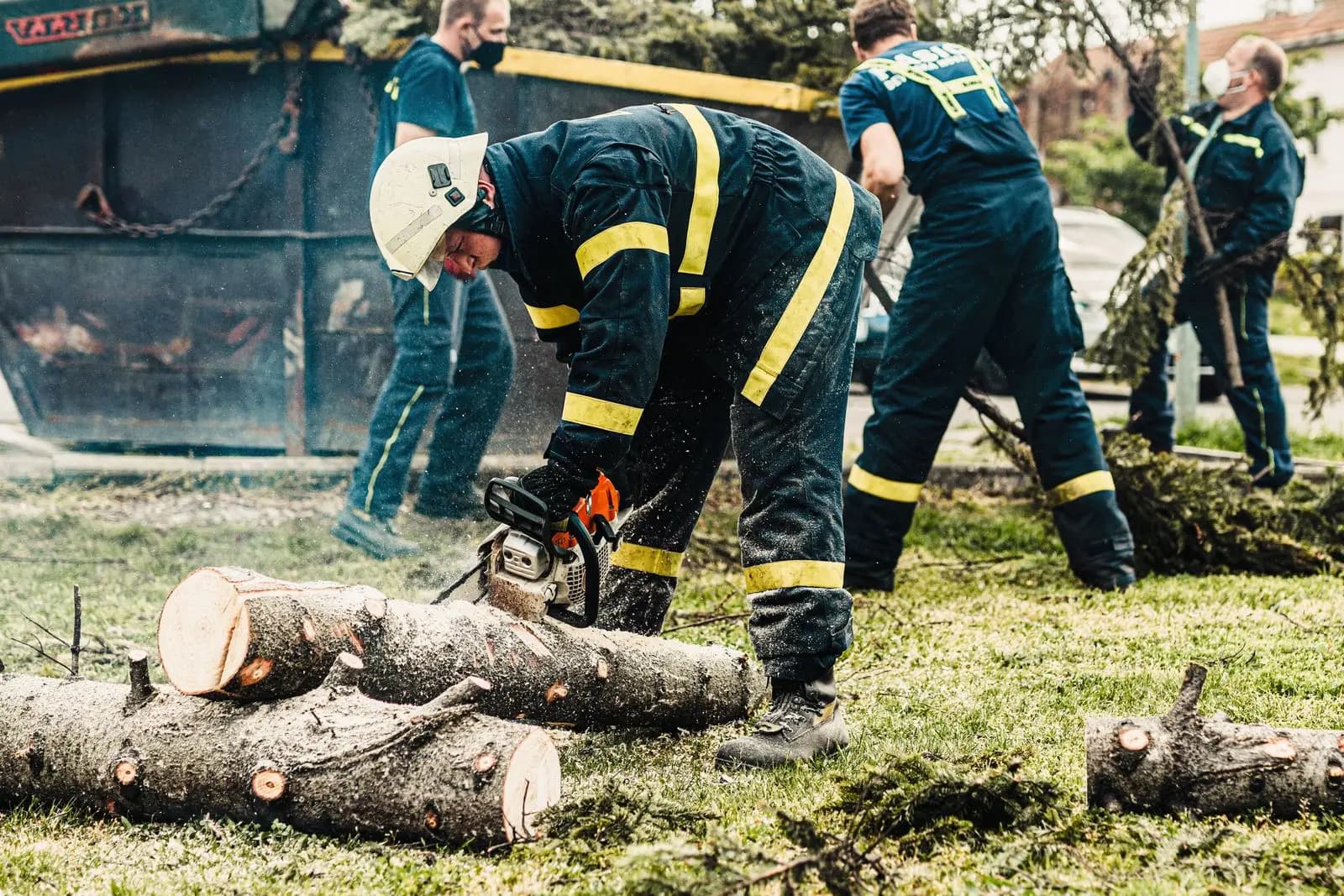
Tree removal cost by height
Height is the first thing an estimator prices, because it sets the equipment and the hours.
| Tree height | Typical range | Examples |
|---|---|---|
| Up to 30 feet | $285 to $435 | Crape myrtle, dogwood, ornamental pear, young maple |
| 30 to 60 feet | $435 to $870 | Mature Bradford pear, hackberry, mid-size oak or maple |
| 60 to 80 feet | $870 to $1,160 | Mature oak, sweetgum, sycamore, most pines |
| Over 80 feet | $1,160 to $2,000+ | Tall pine, tulip poplar, Douglas-fir, old-growth oak |
Removal ranges are national figures from published 2026 consumer cost guides (HomeGuide, LawnLove). Treat them as a starting point. The company that inspects your tree sets the actual price.
Seven things that move the price
Two 60-foot trees can differ by a factor of three. These are the reasons.
- Trunk diameter
- A thick trunk means heavier pieces, more cuts and more truckloads. Diameter matters as much as height.
- Targets below
- Over a roof, fence, pool or lines, every piece must be roped down or craned. Over open lawn, limbs can be dropped.
- Access
- A truck beside the tree makes for a fast job. A backyard behind a 36-inch gate means hand-carrying everything.
- Tree condition
- Dead, hollow or storm-damaged trees cannot be climbed safely and often need a lift or crane. See dead tree removal.
- Wood disposal
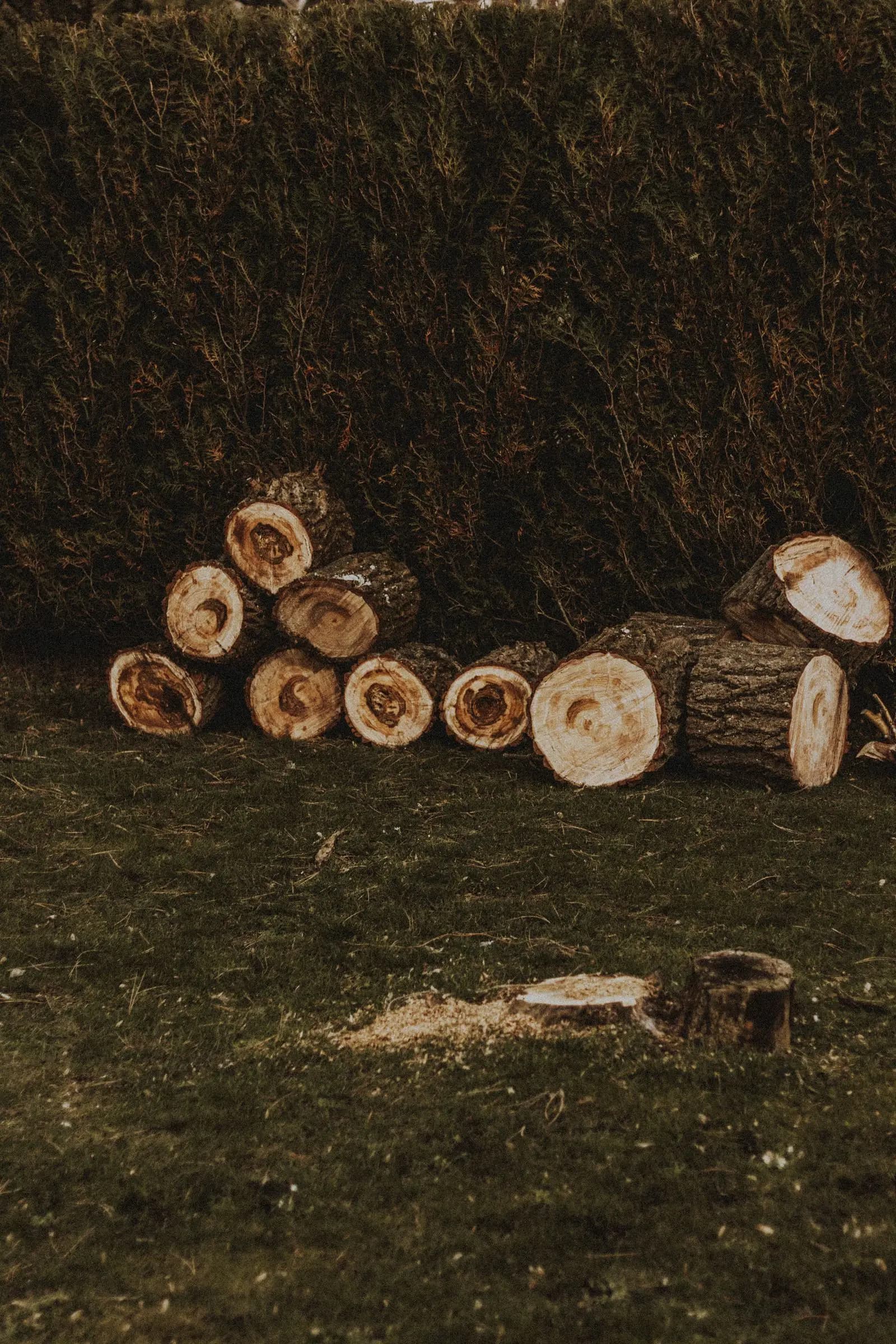
- Hauling all wood costs more than leaving logs. Leaving firewood-length rounds on site is the usual way to save.
- Local market
- Labor, insurance and dump fees vary. Large coastal metros cost more than small inland towns.
- Urgency
- Emergency and after-hours work carries a premium. See emergency tree removal cost.
What a removal price usually leaves out
Ask whether each of these is included before comparing quotes.
- Stump grinding
- Almost always a separate line, commonly $120 to $400 for one stump. See stump grinding cost.
- Permit fees
- In regulated cities, the application fee and any replacement planting or mitigation.
- Crane rental
- Sometimes shown separately on large jobs.
- Travel
- Rural properties far from the company's yard may see a trip charge.
- Lawn and landscape repair
- Rut repair, sod and irrigation fixes are rarely included unless written in.
Why a low quote is not always the cheap one
A complete quote states
- Which tree, and how low the stump is cut
- Whether brush and logs are hauled
- How the lawn, drive and plantings are protected
- Proof of liability insurance and workers' compensation
- The total price and payment terms
Warning signs
- A verbal price only
- Cash up front before any work
- No insurance certificate, or a photocopy that cannot be verified
- Plans to use climbing spikes on a tree you are keeping
- A price far below every other quote for a difficult tree
If an uninsured crew drops a limb through your roof or a worker is hurt, the cost can land on you. Insurance is a large part of what the higher quotes are paying for.
Legitimate ways to pay less
Schedule in the off season. In cold-winter regions that is December through February. In hurricane states it is late winter and spring.
Bundle work. Removing three trees in one visit costs far less per tree than three separate trips, and adding stump grinding to the same job usually beats booking it later.
Keep the wood, or keep the chips. Both reduce hauling. And clear the way: move vehicles, unlock gates and take down a fence panel if it gives a machine access.
Do not wait on a dying tree. Removal costs more once the wood is brittle, and far more if it falls on something first.
Tree removal cost questions
Why is tree removal so expensive?
The price covers a trained crew of three or more, trucks, a chipper, saws and rigging, disposal fees and, above all, insurance. Tree work has one of the highest injury rates of any trade, and workers' compensation premiums reflect it.
Is it cheaper to remove a tree that has already fallen?
Usually. No climbing or rigging is needed, so a downed tree on open ground often costs a fraction of a standing removal. A tree lying on a house is the exception. See fallen tree removal.
Does homeowners insurance pay for tree removal?
Only in limited cases, typically when a tree falls from a covered cause and damages an insured structure or blocks the driveway. Details are in does insurance cover tree removal.
Will a company remove a tree for free in exchange for the wood?
Rarely, and almost never for a yard tree. Urban trees often contain nails and wire, and the cost of removing one safely far exceeds the wood's value.
This guide is general information, not professional, legal or insurance advice. Tree conditions, local rules and policy terms vary. Have a qualified arborist inspect the tree, and confirm regulations and coverage with your city and insurer.
Want someone to look at the tree?
Call to be connected with an independent tree service company in your area, or leave your number for a callback.
(888) 555-0142Call availability varies by area and time of day
Limbwright is a referral service. Your call or request goes to an independent tree service company that sets its own prices and schedule. Ask for proof of insurance and a written scope before work starts. How this works
Request a callback
Leave a number and a tree service provider in your area will call you.