
Problem guide
A Neighbor's Tree Fell in My Yard: Who Is Responsible?
Updated · Limbwright editorial
Short answer
In most states, each owner deals with the damage on their own property, through their own insurance. Your neighbor is generally responsible only if the tree was visibly dead, diseased or dangerous and they knew, or should have known, and did nothing.
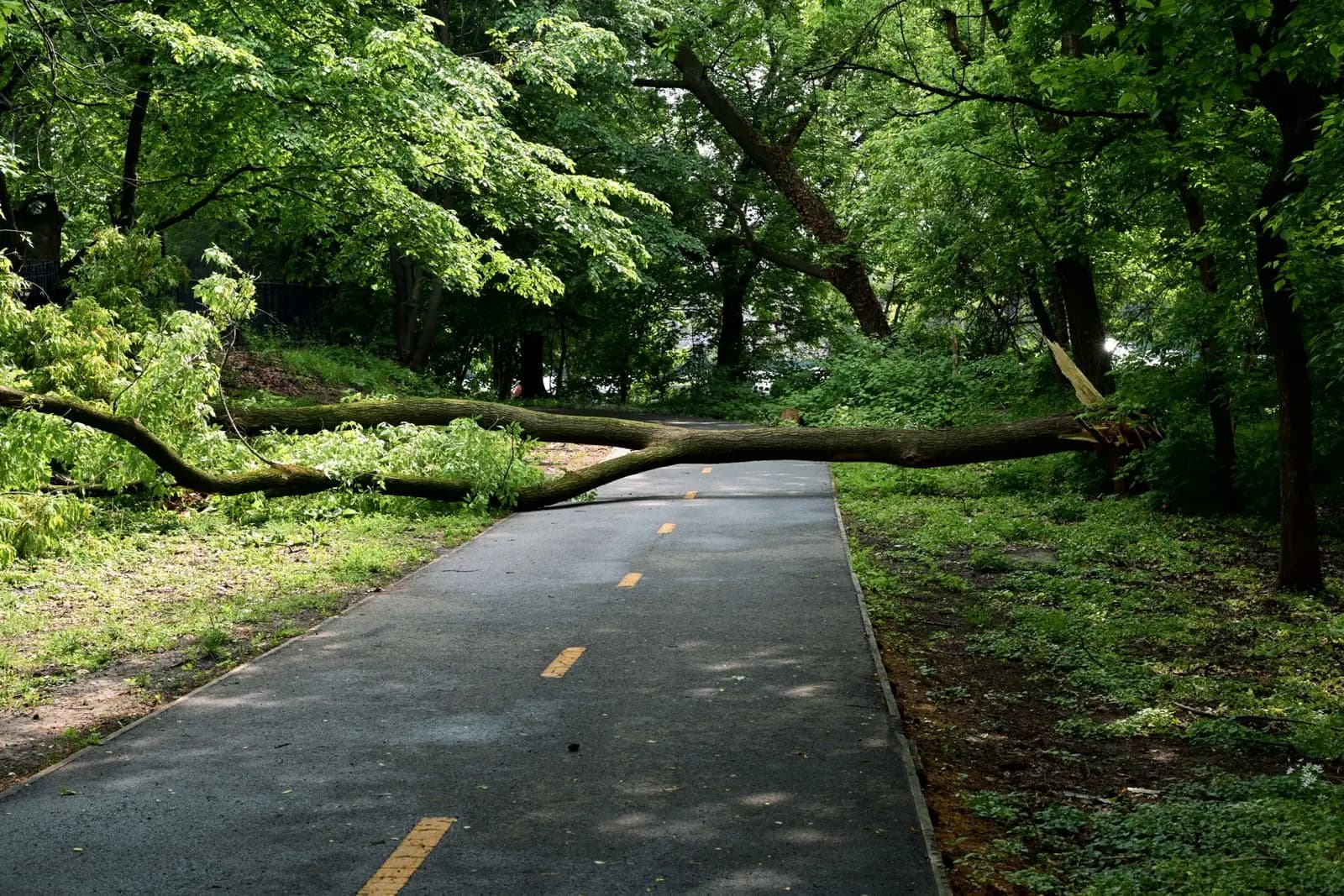
The usual outcomes
| Situation | Who typically pays | Why |
|---|---|---|
| Healthy tree blown over in a storm, damages your house | Your insurer, less your deductible | Treated as an act of nature. Nobody was at fault. |
| Healthy tree falls on your lawn, no damage | You, for the part on your side | No covered damage, and no negligence |
| Dead or obviously defective tree falls, and the neighbor had been warned | The neighbor or their insurer may be liable | Negligence: a known hazard was ignored |
| Tree falls on a shared fence | Often split, or each side's insurer | Depends on fence ownership and policy terms |
| Your tree falls into the neighbor's yard | The same rules in reverse | Your liability depends on what you knew |
General patterns under common U.S. negligence law. This is not legal advice, and state rules differ.
What negligence means for a tree
Courts generally ask whether a reasonable owner would have recognized the danger. A tree that was green and intact gives no warning, so its owner is not at fault when wind brings it down.
A tree that was dead for two years, visibly hollow, split, or leaning with roots lifting is a different matter, especially if someone pointed it out. This is why written notice matters so much. A dated letter or email with photos establishes that the owner knew.
Even where the neighbor is liable, the practical route is usually the same. You file with your own insurer, which pays you and may then pursue the neighbor's insurer to recover its costs and your deductible.
What to do, in order
Make it safe
Check for wires and structural damage. If the tree hit the house, follow the tree fell on house steps.
Photograph the tree's base
On the neighbor's side if they allow it. Rot, hollows or dead wood at the break are the evidence that matters.
Talk to the neighbor
Calmly, and early. Most people want to help, and many will share cleanup costs when not legally required.
Call your insurer
If anything insured was damaged or access is blocked. Tell them the tree came from next door and share your photos.
Arrange removal of your portion
You can have the part on your property removed. Coordinate so one crew can do both sides.
Who cleans up which part
Practically, a fallen tree is handled by where it lies. You remove what is on your property and the neighbor removes what is on theirs, including the stump and root plate.
It is nearly always cheaper for both households to hire one company for the whole tree. The crew is already there, and the trunk does not have to be cut at the property line. Agree on the split beforehand and get one quote showing both portions.
If the tree did not damage a structure or block your driveway, expect to pay for your side yourself. Costs for downed trees are covered under fallen tree removal.
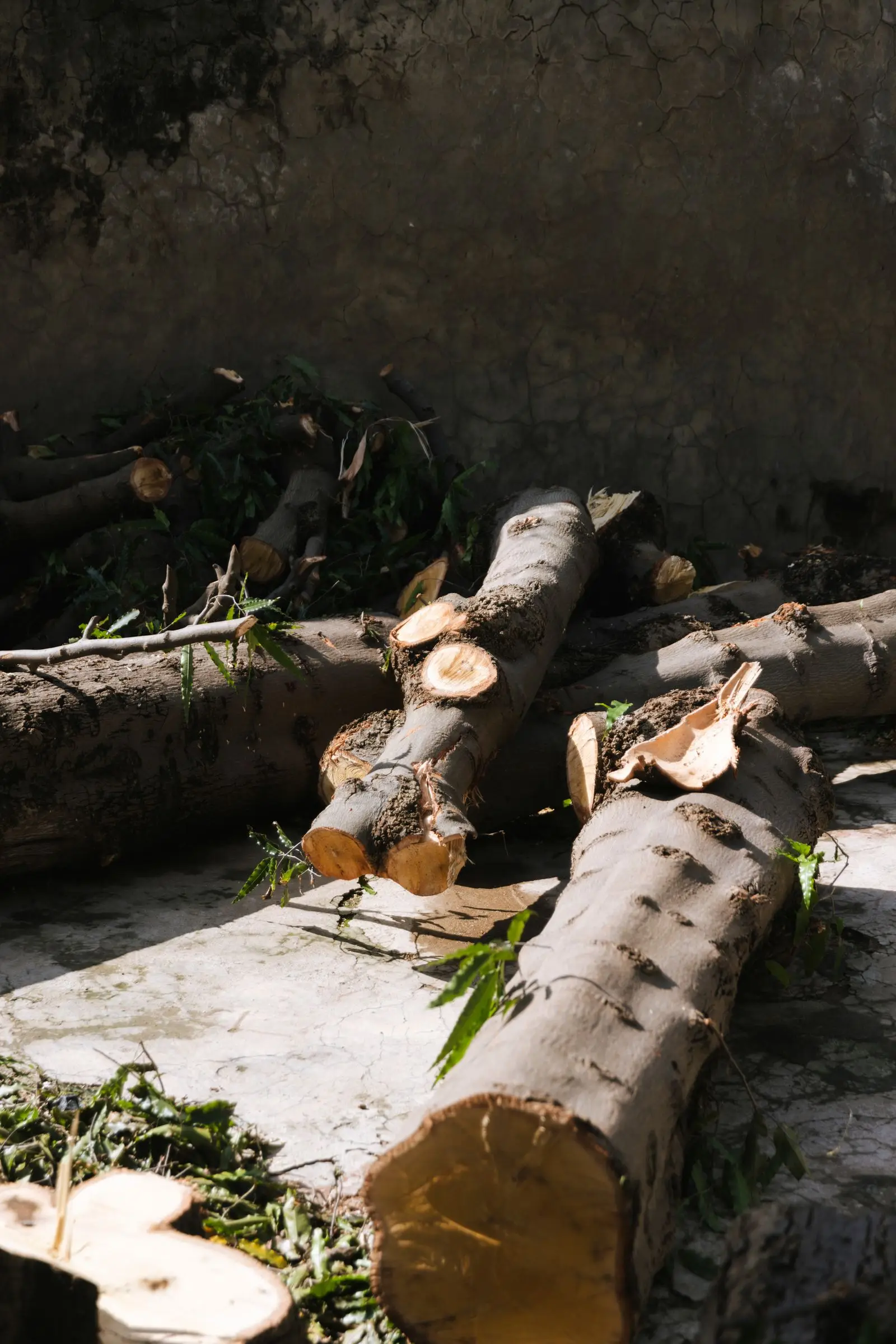
If you are worried about a neighbor's tree that is still standing
- Raise it in person first
- Describe what you see instead of making demands.
- Follow up in writing
- A short, polite, dated note with photos. Keep a copy.
- Offer to share an inspection
- A tree risk assessment gives both of you a neutral opinion.
- Trim to the line if needed
- In most states you may cut overhanging branches back to the boundary at your own cost, as long as you do not kill or seriously harm the tree.
- Tell your insurer
- Some insurers will send notice to the neighbor's insurer about a documented hazard.
Neighbor tree questions
Can I make my neighbor pay my deductible?
Only if they were negligent. If your insurer recovers from the neighbor's insurer, your deductible is usually refunded. Otherwise it is yours to pay.
The tree was on the property line. Whose is it?
A tree whose trunk straddles the boundary is generally owned by both neighbors, and both share responsibility for it.
Can I throw the debris back over the fence?
No. That can make you liable for dumping or damage. Remove what is on your side or agree on a shared cleanup.
What if my neighbor refuses to deal with a dangerous tree?
Document your written notice, check whether your city has a hazardous tree or nuisance ordinance, and consider a consultation with a local attorney. Do not cut a tree on someone else's property.
This guide is general information, not professional, legal or insurance advice. Tree conditions, local rules and policy terms vary. Have a qualified arborist inspect the tree, and confirm regulations and coverage with your city and insurer.
Want someone to look at the tree?
Call to be connected with an independent tree service company in your area, or leave your number for a callback.
(888) 555-0142Call availability varies by area and time of day
Limbwright is a referral service. Your call or request goes to an independent tree service company that sets its own prices and schedule. Ask for proof of insurance and a written scope before work starts. How this works
Request a callback
Leave a number and a tree service provider in your area will call you.