
Question guide
Why Is My Tree Dropping Branches?
Updated · Limbwright editorial
Short answer
Small twigs falling is normal. Larger branches falling on calm days usually means dead wood, decay at the branch attachment or a weak fork. Some trees, including oaks, elms and eucalyptus, also drop healthy-looking limbs on hot, still afternoons, a pattern called summer branch drop.
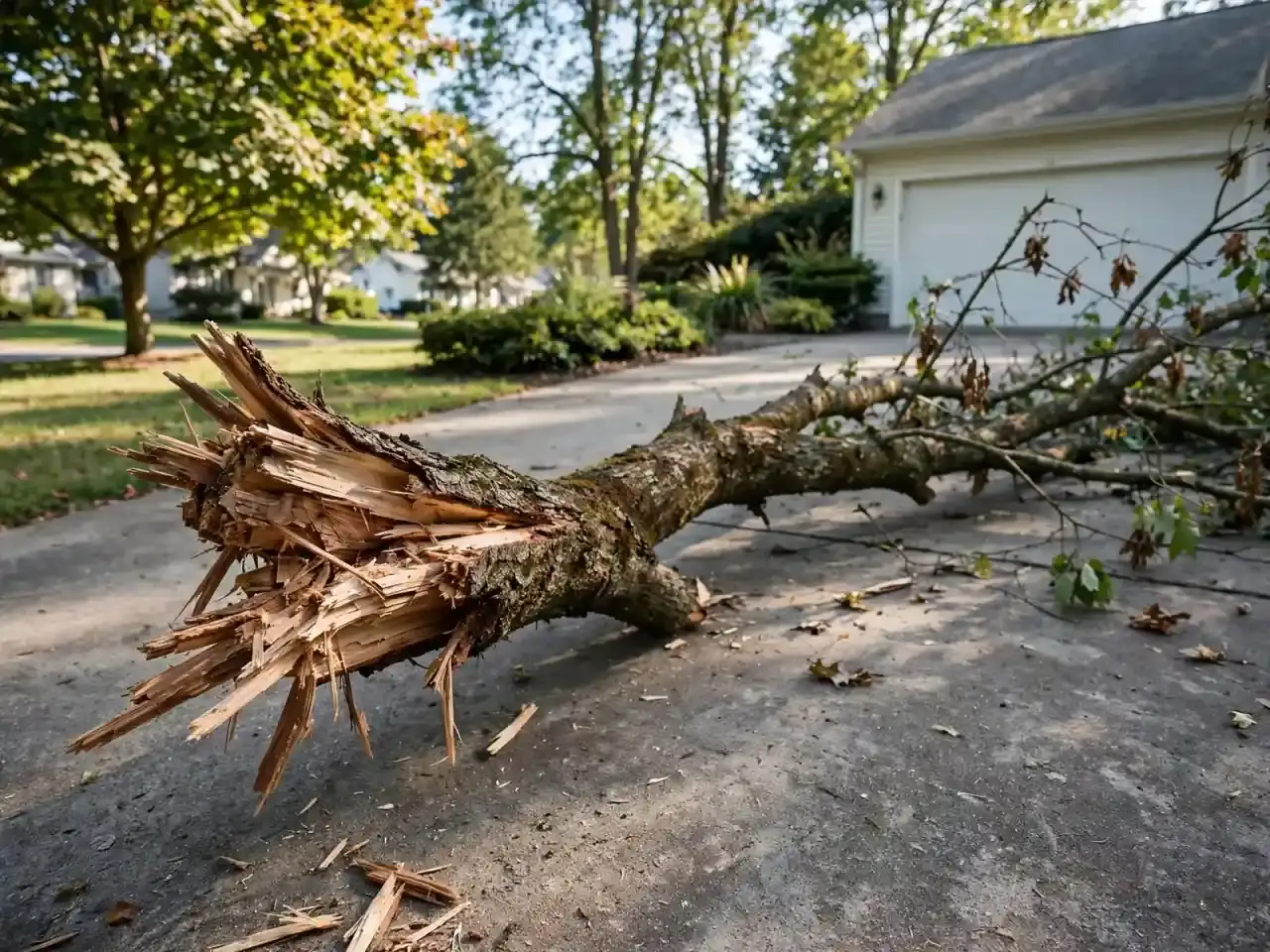
Should I worry?
Worry if the branches are thicker than a wrist, if more than one has fallen recently, or if the tree stands over a house, driveway or play area. Those trees should be inspected and the remaining dead or weak limbs removed.
- Normal
- Twigs and small dead branches after wind.
- Concerning
- Large limbs falling on calm days.
- Urgent
- Cracked limbs still hanging over people or roofs.
The usual causes
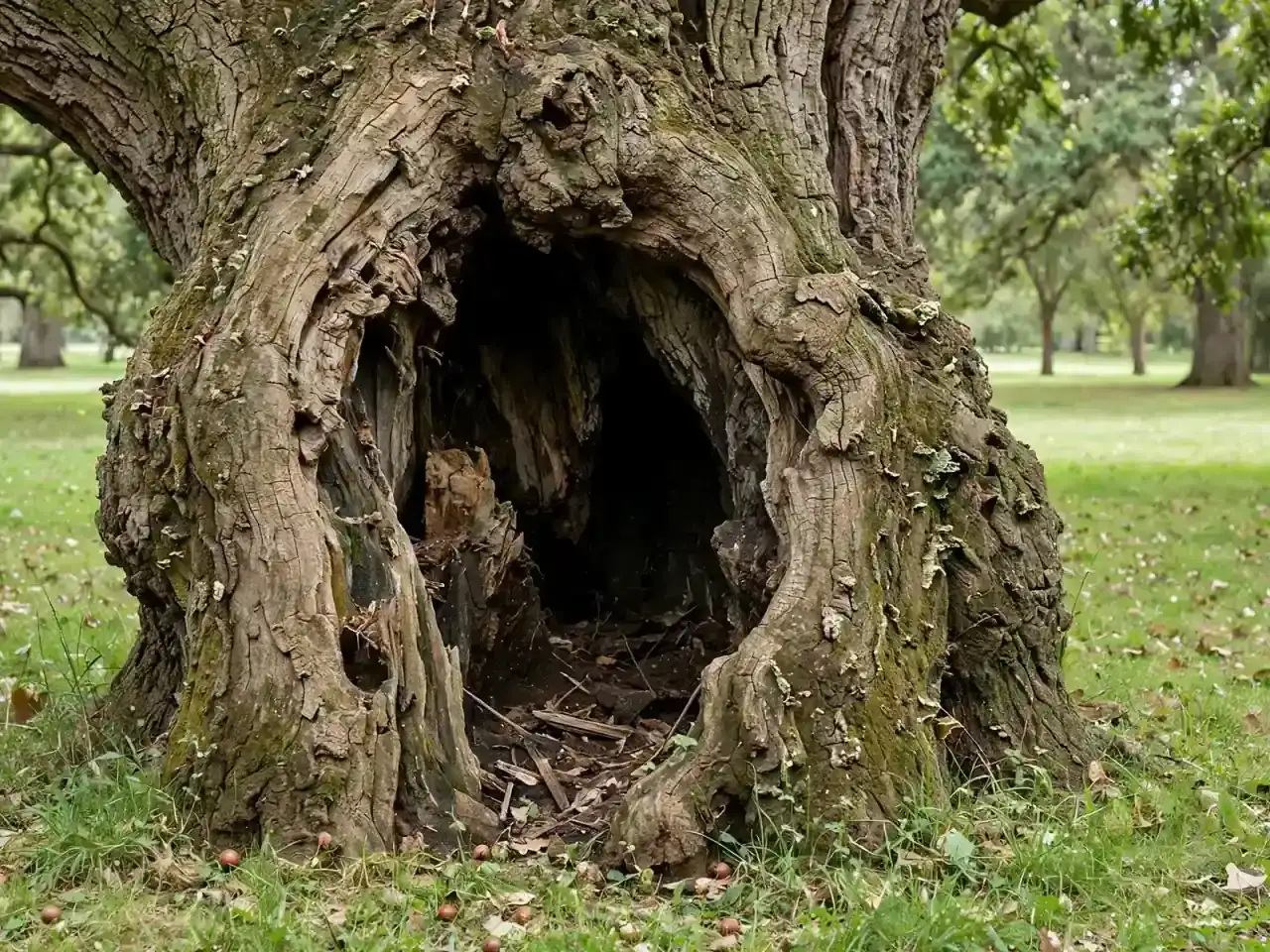
- Dead wood
- Dead branches decay at the base and fall in light wind.
- Weak forks
- Narrow V-shaped unions split under their own weight.
- Decay
- Fungi weaken the wood where branches join the trunk.
- Drought
- Stressed trees shed branches to survive.
- Summer branch drop
- Healthy-looking limbs drop on hot, still days; the cause is not fully understood.
Look for these on the tree
Bare branches in summer
Dead wood waiting to fall.
Cracks at branch unions
Splits starting.
Fungus on limbs or trunk
Internal decay.
Long, horizontal limbs over targets
The most common summer branch drop pattern.
Steps after a branch falls
Keep people and cars clear
Especially under long limbs.
Look up and note problems
Photos help the arborist.
Remove dead wood
Before the next storm season.
Have weak limbs reduced
Shortening long limbs lowers the load.
Branch drop questions
Is the whole tree going to fall?
Branch drop alone does not mean that, but decay or root problems can cause both. An inspection tells you.
Who is liable if a branch hits my neighbor's car?
Liability often turns on whether the owner knew or should have known the tree was hazardous.
Can summer branch drop be prevented?
Reducing the length of long horizontal limbs over targets lowers the risk.
Reading a fallen branch
A fallen branch often explains itself. If the broken end is gray, dry and crumbly, the branch was dead for a while. If the break shows dark, soft or stringy wood, decay was present. A clean split along a narrow fork, with bark trapped inside the joint, points to a weak attachment called included bark. A green, healthy-looking break on a hot calm day fits summer branch drop.
Keep the branch or take photos of the broken end before cleanup, because they help an arborist judge the rest of the tree. One failure in a decaying tree often signals more to come, while a single dead branch on an otherwise healthy tree may only mean the crown needs routine cleaning. Branches that fall on the same side repeatedly can point to root damage on that side.
Get the tree looked at
A crew can remove dead and weak limbs in one visit. See deadwood removal, and for large trees over homes, tree risk assessment.
This guide is general information, not professional, legal or insurance advice. Tree conditions, local rules and policy terms vary. Have a qualified arborist inspect the tree, and confirm regulations and coverage with your city and insurer.
Want someone to look at the tree?
Call to be connected with an independent tree service company in your area.
(844) 955-1716Call availability varies by area and time of day
Limbwright is a referral service. Your call goes to an independent tree service company that sets its own schedule and terms. Ask for proof of insurance and a written scope before work starts. How this works
Call now
Talk to a tree service provider in your area. Have the tree's location and what it is near ready.
(844) 955-1716Call nowCall availability varies by area and time of day