
Idaho
Tree Removal and Tree Service in Idaho
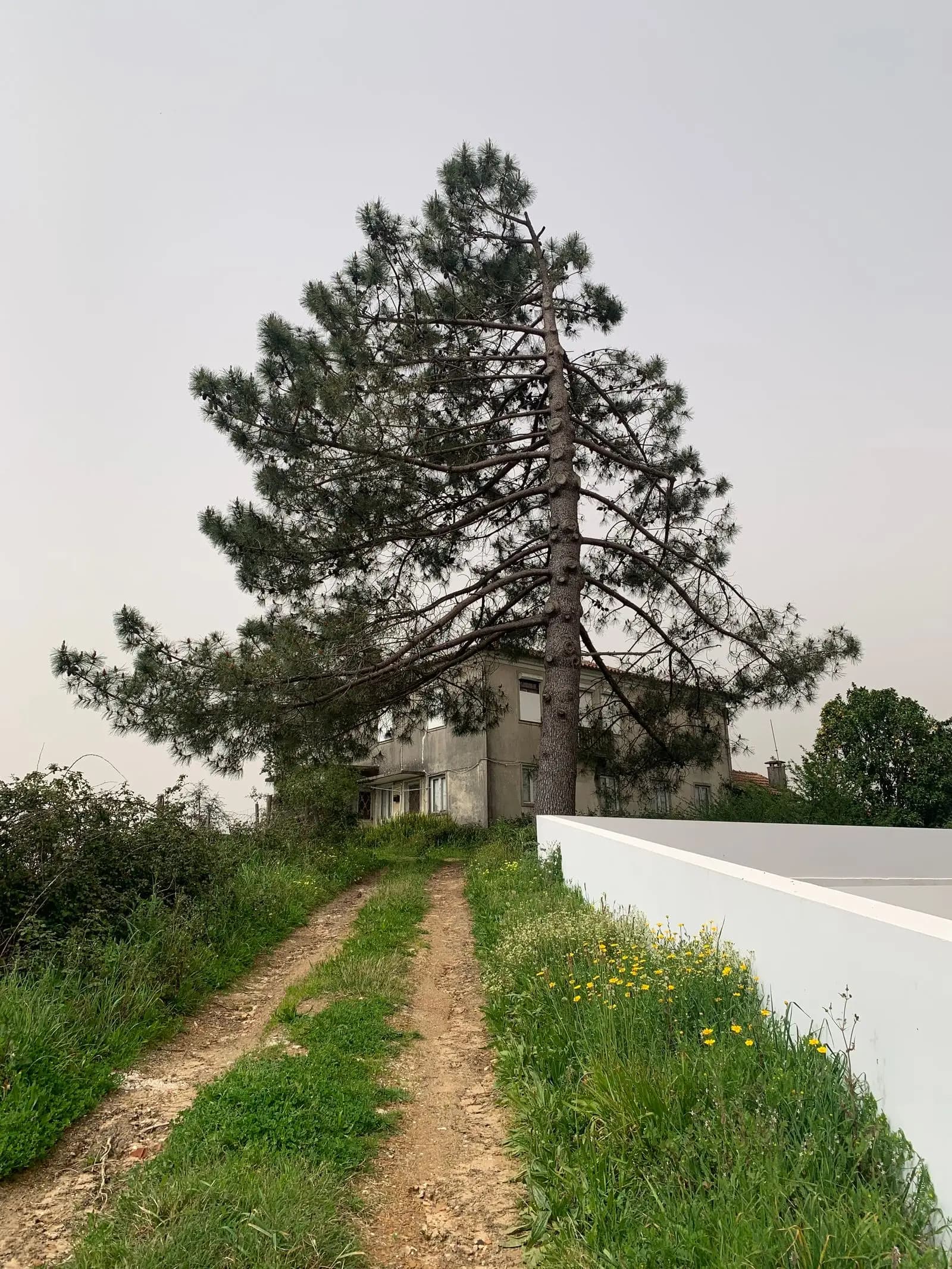
North Idaho is conifer forest where 120-foot firs and pines stand among the houses. The Boise valley is irrigated desert planted with shade trees. The two halves share little except wind, wildfire smoke and a state government that leaves tree rules to cities.
Windstorms in the Panhandle
On November 17, 2015 a Pacific storm brought gusts above 70 mph to the Coeur d'Alene and Spokane area after a wet week. Thousands of conifers went over at the roots, landing on houses, cars and lines. The region counted it as the worst windstorm in generations.
It happened again on January 13, 2021, with similar gusts and the same result. Both storms hit when soil was saturated and unfrozen, which is the condition that lets tall, shallow-rooted trees fall whole.
Southern Idaho's notable event was snow: the winter of 2016 to 2017 buried the Treasure Valley under record accumulations, and limbs and whole trees failed under the weight for weeks.
North Idaho and southern Idaho compared
| Panhandle and central mountains | Boise valley and Snake River Plain | |
|---|---|---|
| Typical trees | Ponderosa pine, Douglas-fir, grand fir, western larch, cedar | Silver maple, ash, sycamore, honeylocust, cottonwood, blue spruce |
| Main hazard | Whole-tree failure in wind, root rot, wildfire | Limb breakage from snow and wind, drought stress |
| Access | Slopes, lakeshore lots, narrow private roads | Fenced suburban yards and irrigation canals |
| Usual request | Remove tall conifers near the house | Prune or remove aging shade trees |
Idaho rules: mostly local
Idaho does not license arborists and has no state permit for removing trees on residential land. Cities manage trees on public property and in the street right-of-way.
Boise licenses businesses that prune or remove trees on public property, which includes street trees in the right-of-way, and requires a permit for that work. Coeur d'Alene and other cities have urban forestry ordinances with similar aims.
Around the large northern lakes, county shoreline rules and site disturbance ordinances can limit clearing near the water. On forested land outside city limits, the Idaho Department of Lands administers the forest practices rules for commercial timber harvest, which may apply if you sell the logs from a larger clearing job.
Root disease and bark beetles
- Armillaria and laminated root rot
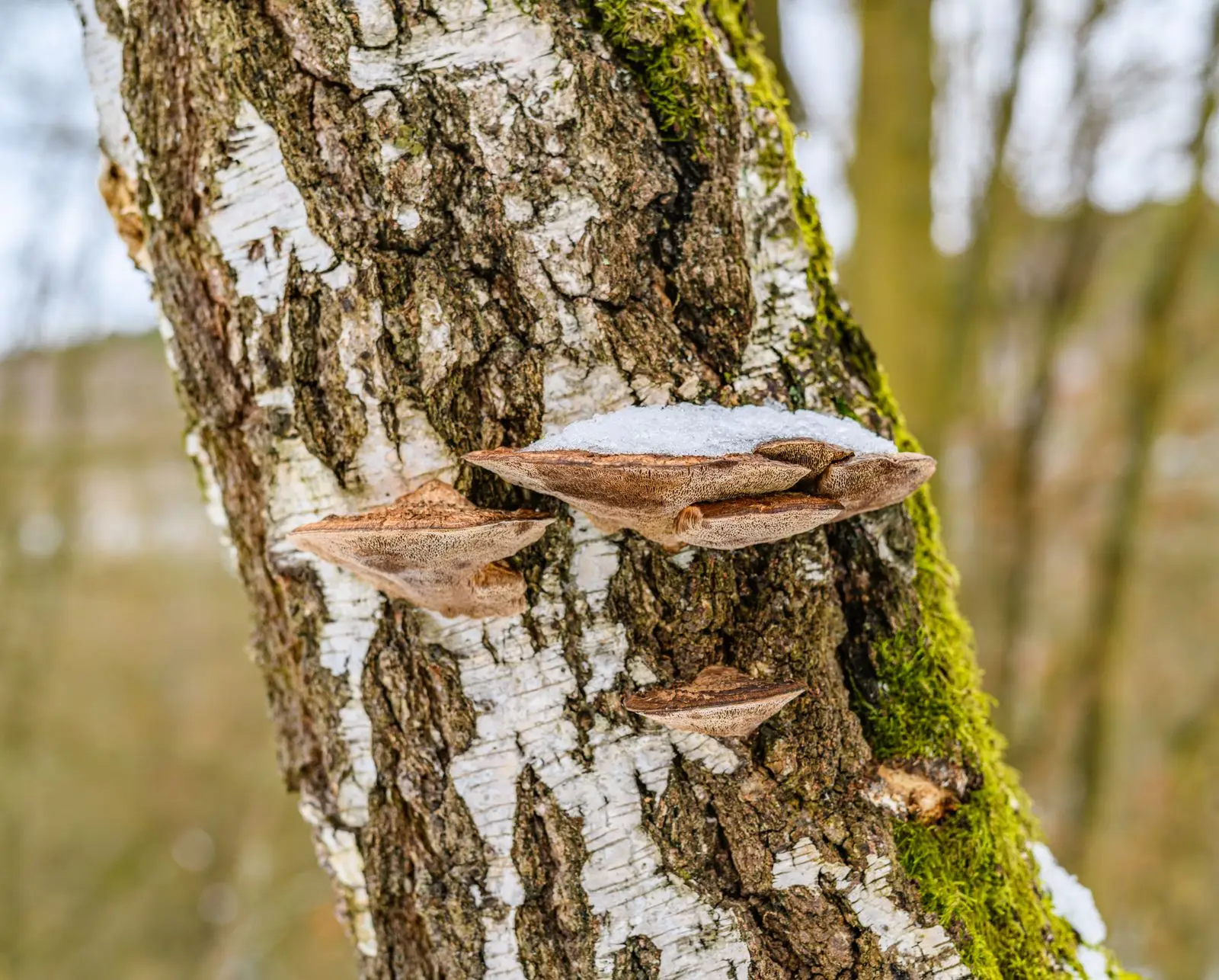
- Fungi that decay the roots of Douglas-fir and grand fir. Trees die in slowly widening pockets and fall with almost no root mass attached.
- Douglas-fir beetle
- Builds up in windthrown and fire-damaged trees, then attacks standing ones.
- Fir engraver
- Kills grand fir after drought years. Red tops appear the following summer.
- Douglas-fir tussock moth
- Periodic outbreaks strip needles from fir and spruce, including yard trees.
- Pine engraver
- Breeds in fresh pine slash left on site in spring.
Defensible space around an Idaho home
- Nearest the house
- Keep the first few feet free of anything that burns, including conifer limbs touching the roof.
- Out to about 30 feet
- Space tree crowns apart and prune lower limbs up so a ground fire cannot climb.
- Out to 100 feet or the lot line
- Thin dense thickets and remove dead trees.
- Slash
- Chip it or haul it. Piles left near the house defeat the purpose.
- Timing
- Late fall through early spring, outside fire season and before beetles fly.
Deciding about a tall conifer
- Act now
The tree has a new lean or the soil is lifting at the base
Leave the house side of the yard and call immediately.
- This week
Neighboring firs have died in a group and this one has a thin, yellowing top
Suspect root disease and have it assessed.
- Plan it
The tree is healthy but taller than the distance to the house
That alone is not a defect. An inspection can tell you whether to keep it.
- This week
Trees were newly exposed when a neighbor cleared a lot
Edge trees that grew sheltered are more likely to blow over. Ask for a risk assessment.
Idaho tree service questions
Do I need a permit to remove a tree in Idaho?
Not for a tree on your own residential lot in most places. Work on street trees and other public trees needs city approval, and lakeshore lots may have county restrictions.
Does Boise license tree companies?
Boise requires a license for businesses that prune or remove trees on public property, including street trees. For private trees, check insurance and certification yourself.
Why do firs fall over with no roots in north Idaho?
Root rot. The fungi decay the structural roots while the crown can still look green. A tree in or beside a pocket of dead and fallen firs should be inspected.
When is the best time to thin trees for fire safety in Idaho?
From late fall to early spring. It avoids fire season restrictions on equipment, and fresh pine slash created in winter is less likely to breed beetles if it is removed or chipped before warm weather.
Tree service in Idaho, by phone
Call to be connected with an independent tree company serving your part of Idaho, or leave your number for a callback.
(888) 555-0142Call availability varies by area and time of day
Limbwright is a referral service. Your call or request goes to an independent tree service company that sets its own prices and schedule. Ask for proof of insurance and a written scope before work starts. How this works
Request a callback
Leave a number and a tree service provider in your area will call you.