
Connecticut
Tree Removal and Tree Service in Connecticut
Connecticut is one of the most heavily wooded states by the roadside, and its outage records show it. The state requires an arborist license for commercial tree care, and every town has a tree warden with authority over public trees.
Three storms that rewrote Connecticut's tree policy
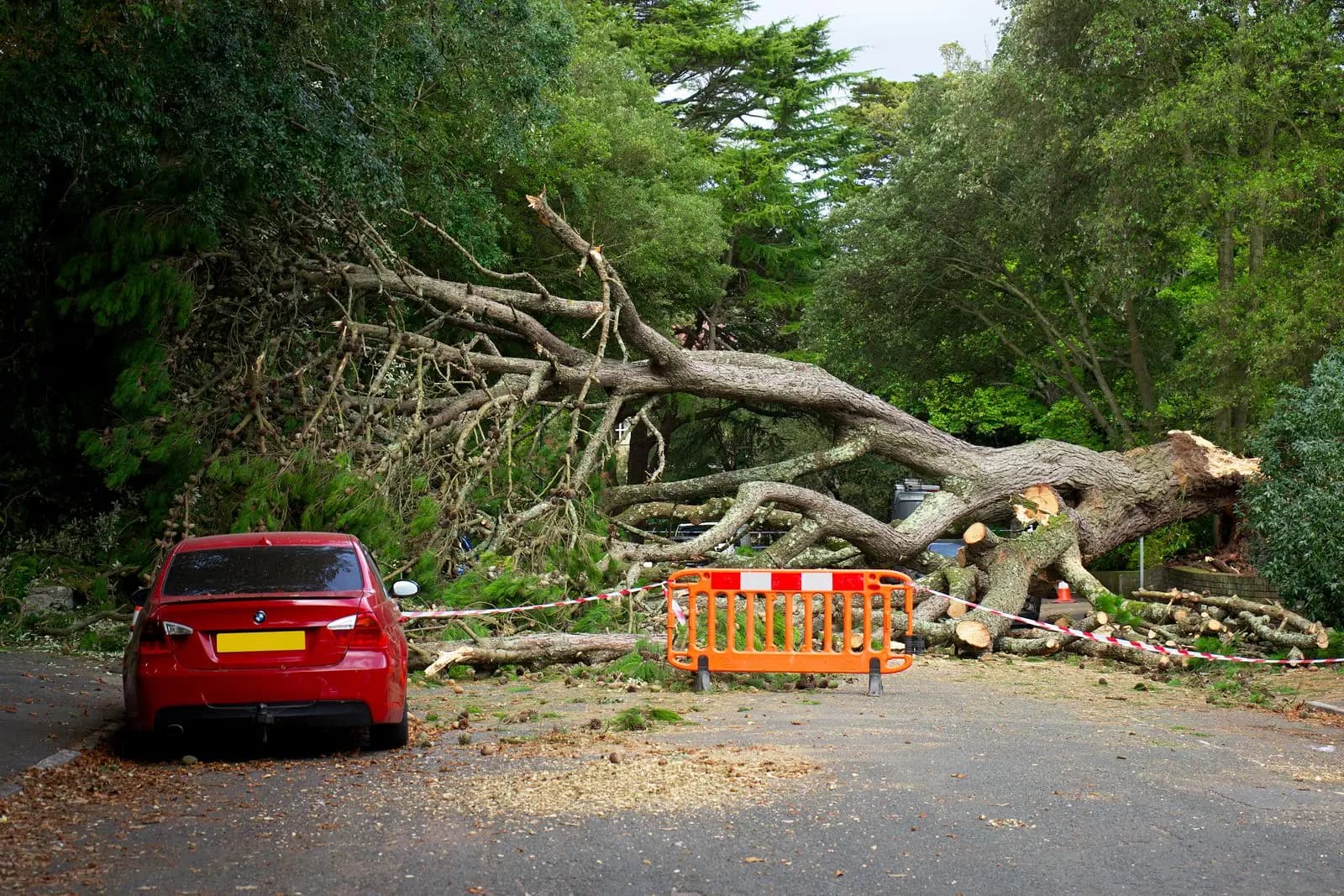
Tropical Storm Irene in August 2011 and a freak snowstorm two months later each cut power to more than 800,000 customers. The October storm dropped heavy, wet snow on trees still in full leaf, and limbs failed along nearly every wooded road in the northern half of the state.
A state panel studied both events and concluded that trees caused the great majority of the outages. Utilities and towns expanded roadside trimming and removal as a result.
Tropical Storm Isaias in August 2020 tested that work with gusts above 60 mph and again left hundreds of thousands in the dark for days. The lesson for homeowners is the same each time: the trees that fail are tall roadside and yard trees with decay, dead tops or lopsided crowns.
The arborist license and the tree warden
Connecticut law requires an arborist license for anyone who advertises or performs arboriculture for hire. The Department of Energy and Environmental Protection issues it after an exam, and the definition covers pruning, cabling, fertilizing and pest treatment. Ask for the license number, which normally appears on estimates and vehicles.
Removal alone is treated differently from pruning under the statute, so some operators who only fell trees work without the license. Insurance still matters in every case, and a licensed arborist is the person to consult when the question is whether a tree can be kept.
Each municipality must appoint a tree warden, who has care and control of trees on town roads and public grounds. A tree in the town right-of-way cannot be removed or pruned without the warden's permission, and a posted tree gets a public notice period before removal. Trees on state highways fall under the Department of Transportation.
Why eastern Connecticut lost so many oaks
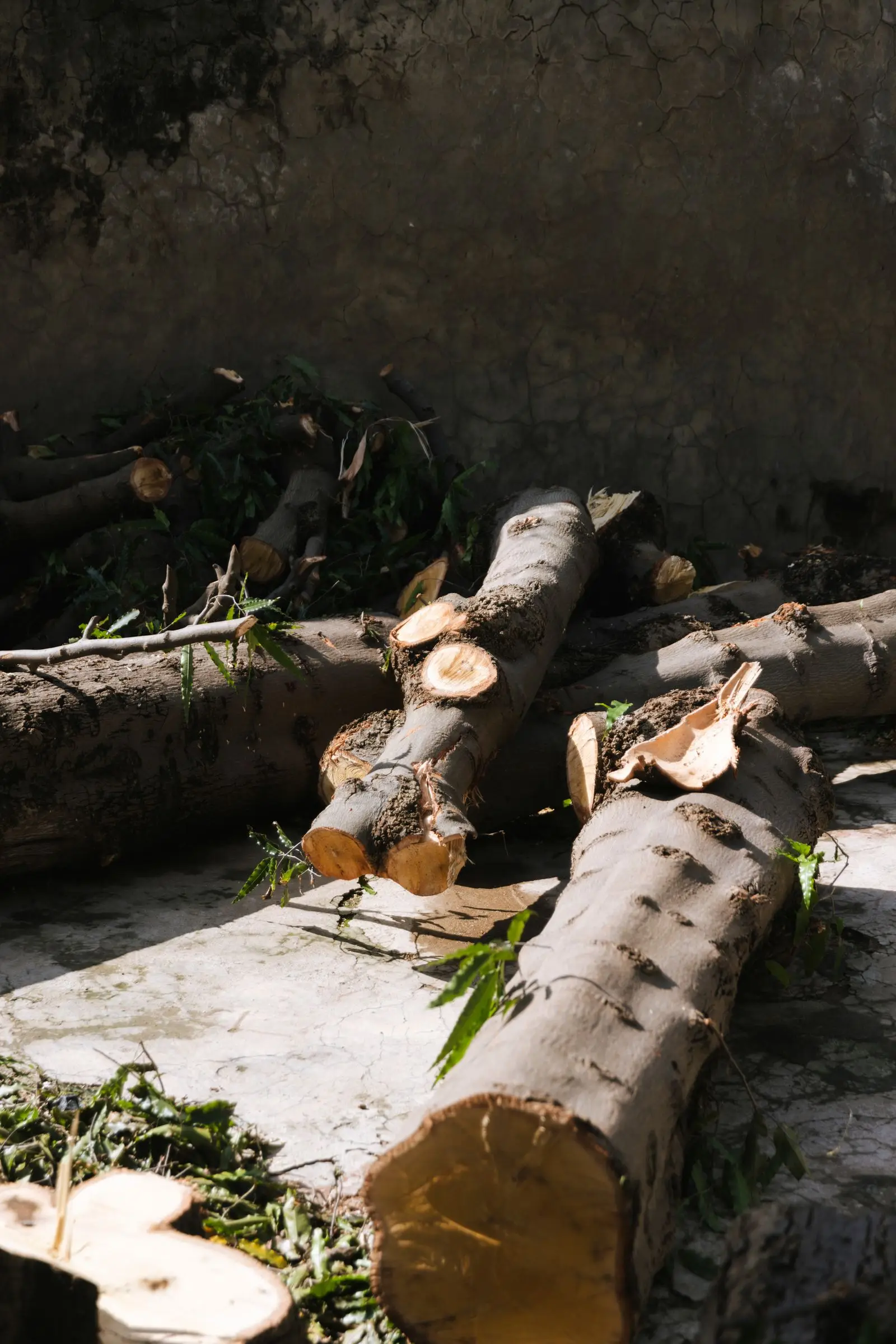
From 2015 through 2018 spongy moth caterpillars stripped oaks across the eastern counties in back-to-back years while the region was in drought. Trees that leafed out twice a season ran out of reserves.
- Spongy moth
- Outbreaks collapse when a soil fungus has a wet spring to work in. Dry springs let populations build.
- Emerald ash borer
- Found in 2012 and now in every county. Roadside ash are being removed by towns and utilities.
- Beech leaf disease
- Striped, leathery leaves and thinning crowns on beech of every size.
- Hemlock woolly adelgid
- Present for decades. Cold winters knock it back, and mild ones let it recover.
Connecticut roadside and yard trees
| Tree | Strength | Common failure |
|---|---|---|
| Red and black oak | Strong when healthy | Standing dead since the moth years. Brittle tops. |
| Sugar and red maple | Moderate | Old roadside maples hollow at the base |
| White pine | Weak in wet snow | Leaders and long limbs snap |
| Black birch and tulip poplar | Moderate | Uproot on shallow soil over ledge |
| White ash | Fails when dead | Snaps at mid-trunk within two or three years of death |
Who to call about a Connecticut tree
- Act now
A tree or limb is on wires in the road
Call 911 or the electric utility. Do not approach.
- This week
A dead tree stands in the strip between your yard and a town road
Contact the town tree warden. It may be the town's tree.
- This week
A dead oak or ash stands in your yard within reach of the house
Arrange removal. See dead tree removal.
- Plan it
You want to know whether a large maple can be saved
Hire a licensed arborist for an inspection first.
Trees most likely to fail in the next Connecticut storm
Any tree dead for more than a year
Especially oak and ash, which lose strength quickly.
Trees with all their limbs on the road side
Edge trees grow toward the light and are unbalanced.
Pines with a double top
The fork splits under snow load.
Trunks with a seam or cavity facing the house
Decay is already present behind it.
Connecticut tree service questions
Does a tree company need a license in Connecticut?
An arborist license from the Department of Energy and Environmental Protection is required to perform or advertise arboriculture, which includes pruning and treatment. Ask for the license number and for insurance certificates.
Do I need a permit to remove a tree on my Connecticut property?
Generally not for a tree fully on private land, although wetlands regulations and some local ordinances can apply. Trees along a town road need the tree warden's approval.
What does a Connecticut tree warden do?
The warden is the town official responsible for public trees. They decide on pruning and removal requests for roadside trees and post trees for public notice before removing them.
Will the power company remove a dead tree near the lines?
Utilities remove or reduce trees that threaten their primary lines, on their own schedule. They do not clear trees from the service line to your house or remove wood from your yard.
Tree service in Connecticut, by phone
Call to be connected with an independent tree company serving your part of Connecticut, or leave your number for a callback.
(888) 555-0142Call availability varies by area and time of day
Limbwright is a referral service. Your call or request goes to an independent tree service company that sets its own prices and schedule. Ask for proof of insurance and a written scope before work starts. How this works
Request a callback
Leave a number and a tree service provider in your area will call you.