
New Jersey
Tree Removal and Tree Service in New Jersey
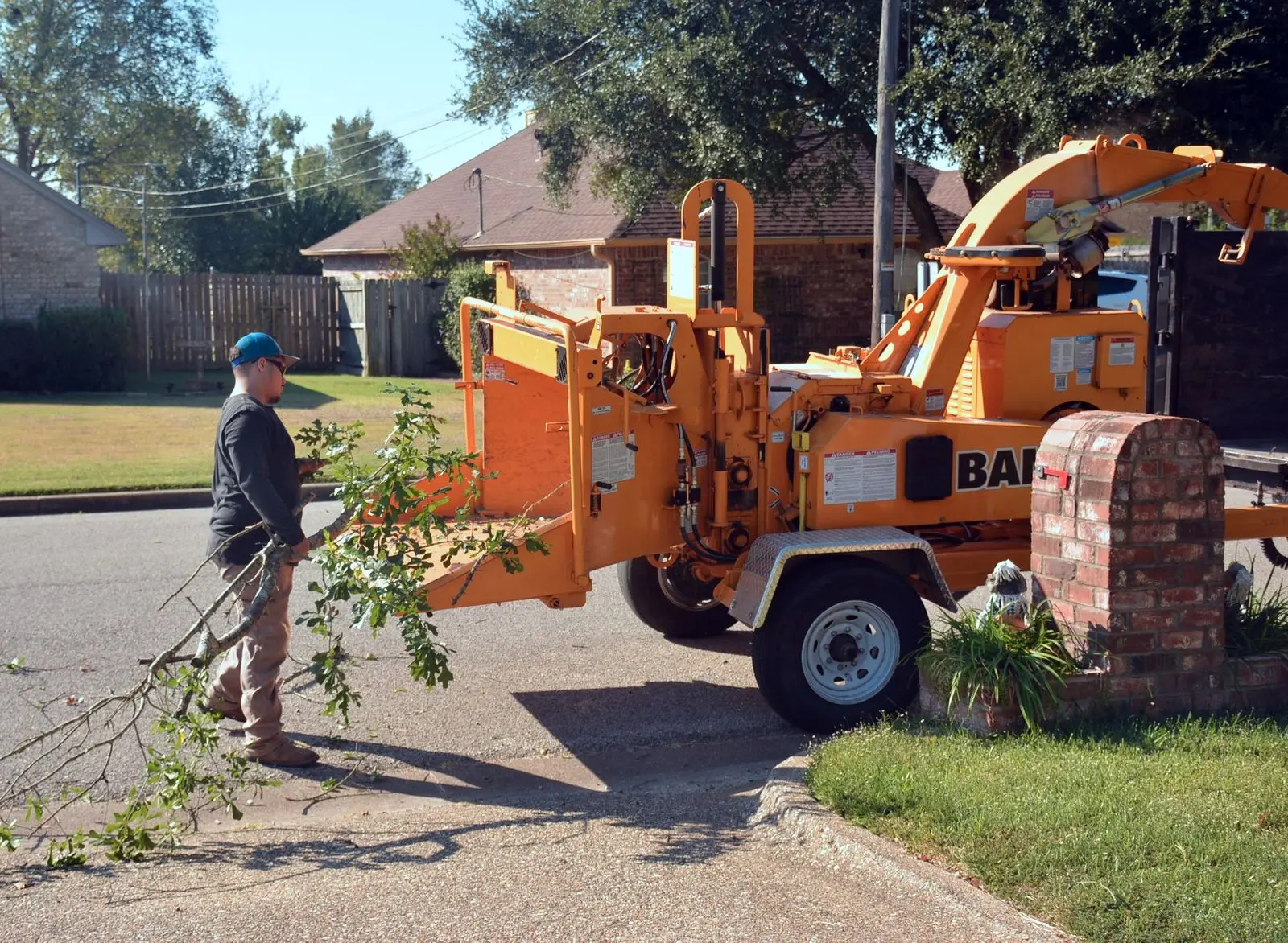
Every business that does tree work in New Jersey must be registered with the state Board of Tree Experts and employ a licensed individual. Add a town ordinance in most municipalities, and the paperwork here matters as much as the saw work.
Sandy, Ida and a state full of mature shade trees
Superstorm Sandy came ashore near Brigantine on October 29, 2012 with a wind field hundreds of miles wide. Leaves were still on many oaks, the ground was wet, and trees fell on houses and wires in all 21 counties. Some neighborhoods waited two weeks for power.
The remnants of Ida in September 2021 showed a different risk: a strong tornado crossed Mullica Hill in Gloucester County and stripped or snapped everything in its path.
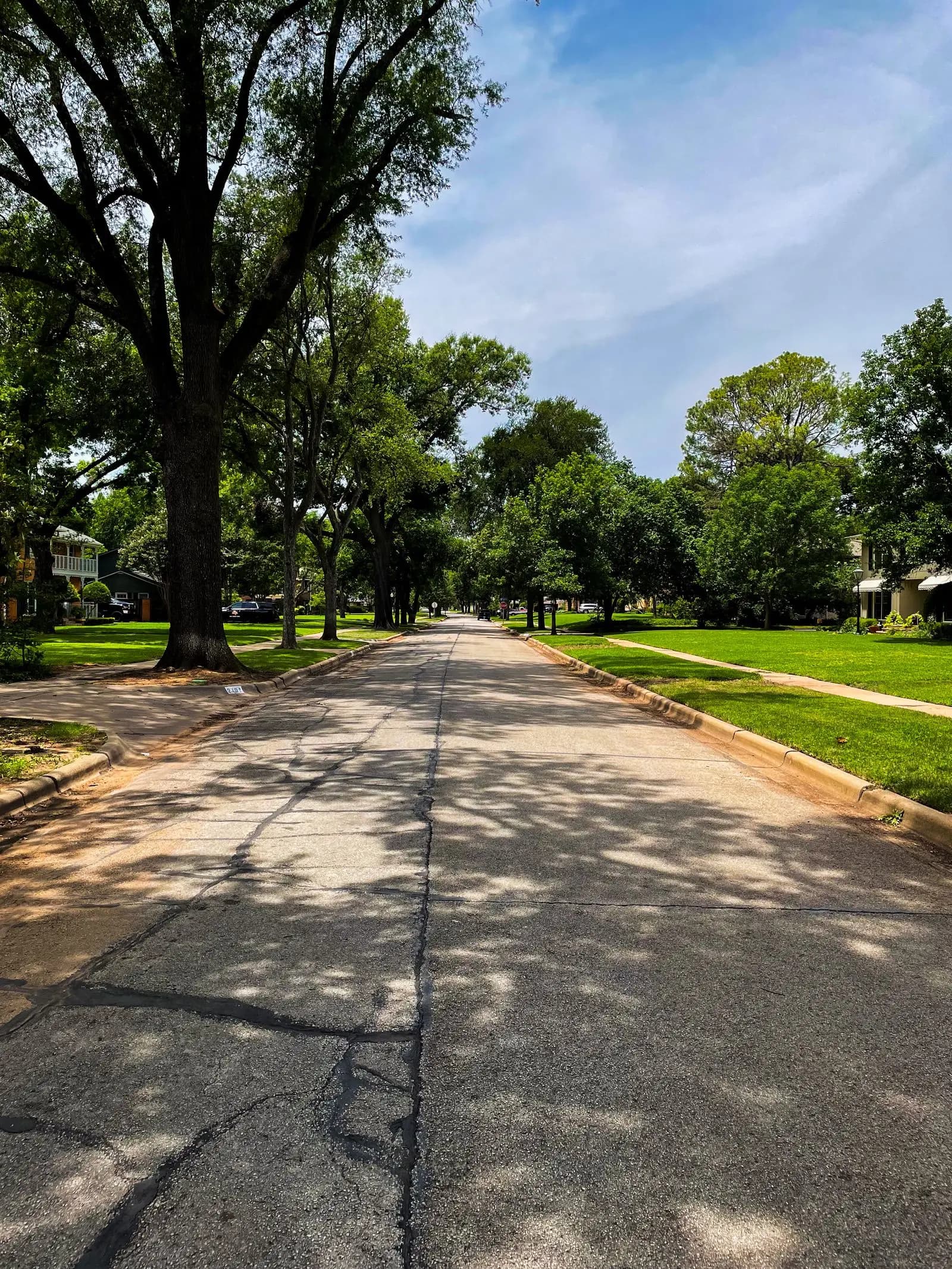
New Jersey is the most densely populated state, and its older suburbs sit under oaks, maples and tulip trees planted or left standing a century ago. Almost any large tree that fails lands on something.
State licensing and the town ordinance
Under the Tree Experts and Tree Care Operators Licensing Act, a tree care business must register with the New Jersey Board of Tree Experts and have at least one Licensed Tree Expert or Licensed Tree Care Operator on staff. Registered businesses receive a number that should appear on estimates, contracts and trucks.
Ask for that registration number and for proof of workers' compensation coverage, which the board requires. Unregistered operators are common after storms and are a frequent source of complaints.
Separately, most municipalities regulate removal. The state's municipal stormwater permit required towns to adopt a tree removal and replacement ordinance by 2024, so many places that never had a rule now require an application, a fee or replacement planting when a tree above a set diameter comes down. Hazardous and dead trees are usually exempt from the fee but may still need a form. Call the town clerk or shade tree commission first.
Recognizing bacterial leaf scorch on New Jersey oaks
This disease has spread through pin, red and scarlet oaks across the central and southern counties, and it is a leading reason whole streets are losing their trees.
Leaf edges turn brown in late July and August
Often with a yellow band between the brown edge and the green center.
The same branches scorch every year
And more of the crown follows each season.
Dead branch tips accumulate
After five to ten years the tree is mostly dead wood.
No cure
Treatments can slow it. Most infected oaks are eventually removed.
Other New Jersey pests and what they attack
| Pest | Hosts | Status |
|---|---|---|
| Emerald ash borer | Ash | First found in Somerset County in 2014 and now throughout the state |
| Southern pine beetle | Pitch pine and other pines | Active in the Pinelands and moving north |
| Beech leaf disease | American and European beech | Dark bands between leaf veins. Spreading quickly. |
| Spotted lanternfly | Tree-of-heaven, maple, walnut | Statewide nuisance. Rarely a reason to remove a healthy tree. |
What raises the price of a New Jersey removal
- Lot size
- Narrow lots with houses on both sides mean climbing and rigging or a crane.
- Wires
- Overhead service runs along most older streets and through many backyards.
- Permit and replacement
- Town fees and required replanting add to the total for a healthy tree.
- Dead ash and oak
- Brittle wood cannot be climbed safely, so a lift or crane is used.
- Disposal
- Wood from quarantined pests may have limits on where it can go.
North, central, shore and Pinelands
- Highlands and northwest
- Rocky slopes, heavy wet snow and ice. Access is the main difficulty.
- Northeast and central suburbs
- Big street oaks, tight lots and the most municipal regulation.
- Shore
- Salt spray and sandy soil. Pines and hollies tolerate it and many planted species do not.
- Pinelands
- Pitch pine, fire risk and pine beetle. Clearing can involve Pinelands Commission rules.
New Jersey tree service questions
How do I know a New Jersey tree company is legal?
It should have a Board of Tree Experts business registration number and a Licensed Tree Expert or Licensed Tree Care Operator on staff. You can confirm both with the board.
Do I need a permit to take down a tree in New Jersey?
In most towns, yes for a healthy tree above the size set in the local ordinance. Rules differ by municipality, so check before work is scheduled.
Does my New Jersey town make me replace a tree I remove?
Many do, either by planting a new tree or paying into a tree fund. Dead, dying and hazardous trees are commonly exempt with documentation.
Can pin oaks with leaf scorch be saved?
Not cured. Watering in drought, mulching and some trunk injections can add years. Plan removal once dead wood over a target becomes a hazard.
Tree service in New Jersey, by phone
Call to be connected with an independent tree company serving your part of New Jersey, or leave your number for a callback.
(888) 555-0142Call availability varies by area and time of day
Limbwright is a referral service. Your call or request goes to an independent tree service company that sets its own prices and schedule. Ask for proof of insurance and a written scope before work starts. How this works
Request a callback
Leave a number and a tree service provider in your area will call you.