
Planting · Transplanting
Tree Transplanting
Moving a tree means cutting most of its roots. Success depends on keeping enough of them in the root ball, moving it in the dormant season, and watering it through the years it takes to regrow what was lost.
Call availability varies by area and time of day. Calls are answered by an independent tree service provider.
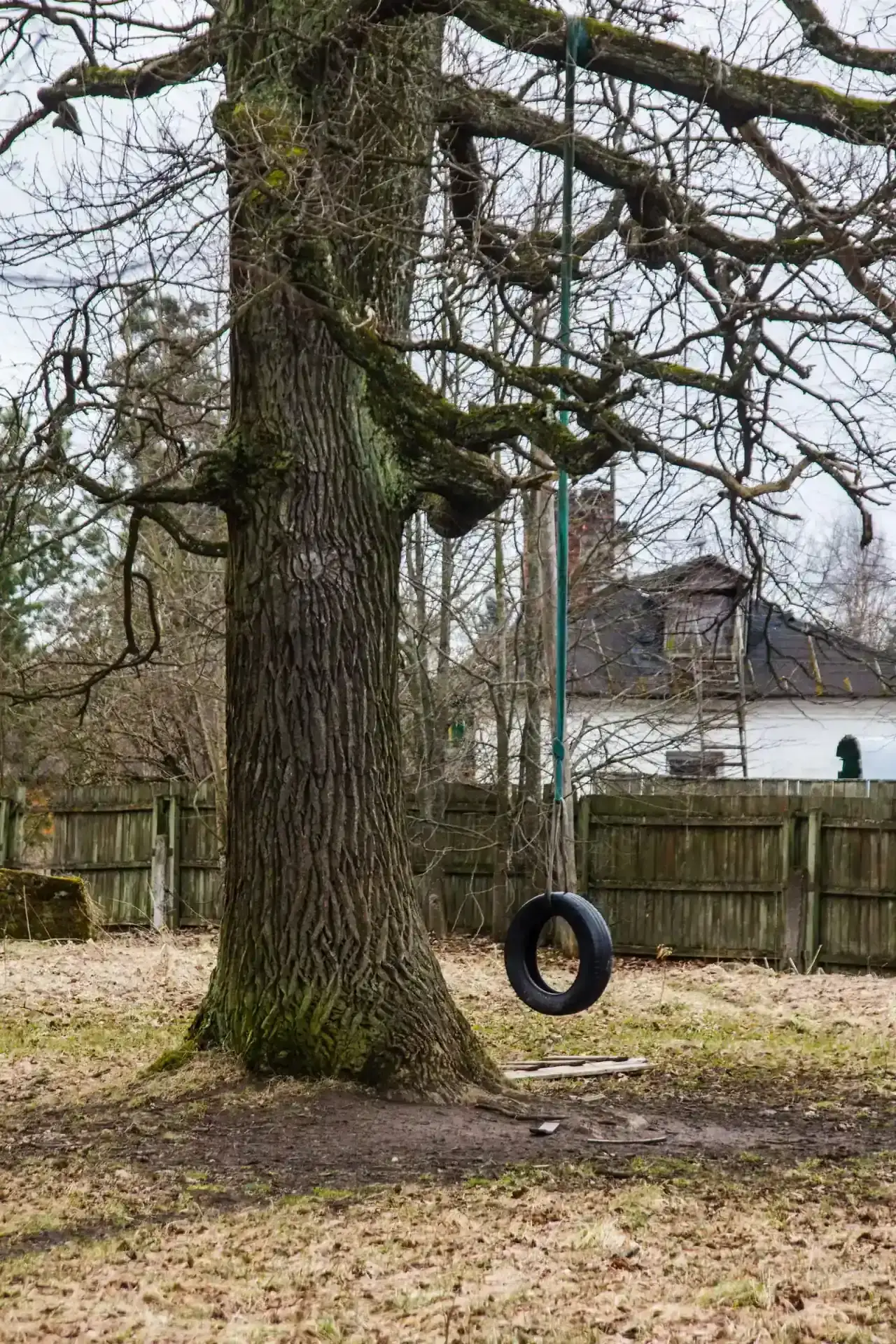
How big a root ball does a tree need?
Nursery standards call for a root ball roughly 10 to 12 inches in diameter for every inch of trunk diameter in small trees. A tree with a 3-inch trunk needs a root ball around 32 inches across. Larger trees need proportionally bigger balls and heavy equipment.
- Small trees
- Under about 2 inches can often be moved by hand.
- Medium trees
- Three to six inches usually need a tree spade.
- Large trees
- Bigger trees need root pruning a season ahead and cranes or large spades.
How a tree is moved
Root prune ahead
For large trees, roots are cut around the future ball a season or more before the move, encouraging new feeder roots inside it.
Prepare the new site
The hole is dug, utilities checked, and drainage confirmed before the tree is lifted.
Dig or spade
A hydraulic tree spade cuts and lifts the ball in one motion, or the ball is hand-dug and wrapped.
Move and plant
The tree goes in at the same depth it grew, with the flare at the surface.
Water and mulch
Deep watering and a wide mulch ring follow immediately.
Trees that move well and trees that do not
| Moves well | Moderate | Difficult |
|---|---|---|
| Maples | Oaks in the white oak group | Hickory, pecan and walnut, with deep taproots |
| Lindens | Pines | Sassafras |
| Elms | Magnolias | Large oaks in the red oak group |
| Sabal palms and date palms | Birches | Very old trees of any species |
Best seasons to transplant
- Late fall
- After leaves drop, while soil is still warm enough for some root growth.
- Late winter to early spring
- Before buds break.
- Palms
- Late spring and summer, when soil is warm and palms regrow roots quickly.
- Avoid
- Summer heat for deciduous trees, and frozen ground.
Transplant shock signs
Wilting leaves
The reduced root system cannot keep up with water loss.
Leaf scorch at the edges
Common in the first summer.
Small leaves
Next spring's leaves may be smaller than usual.
Dieback at branch tips
The tree is shedding what its roots cannot support.
Move the tree or plant a new one
Move
- Healthy, valued tree
- Species that transplants well
- Access for equipment
Replace
- Large or old tree
- Difficult species
- A smaller new tree will catch up quickly
A young tree from a nursery often outgrows a large transplanted one within a decade.
The years after a move
A transplanted tree needs steady watering for at least one year per inch of trunk diameter. A 4-inch tree may need attention for four years. The root ball dries out faster than surrounding soil, so water should go directly onto it.
Staking may be needed for a year on large trees in windy sites. Remove stakes once the tree can stand on its own. Do not fertilize heavily in the first year; it pushes growth the roots cannot support.
Transplanting questions
Can a large tree be moved?
Yes, with planning. Trees well over a foot in diameter have been moved successfully with root pruning and heavy equipment, but survival odds drop as size increases.
How long does transplant shock last?
One to several years depending on size and care.
Should I prune a tree after moving it?
Only dead or broken branches. Leaves are needed to grow new roots.
Can I transplant a tree in summer?
Palms, yes. Most deciduous trees fare poorly when moved in summer heat.
Talk to a tree transplanting provider
Call to be connected with an independent tree service company near you.
(844) 955-1716Call availability varies by area and time of day
Limbwright is a referral service. Your call goes to an independent tree service company that sets its own schedule and terms. Ask for proof of insurance and a written scope before work starts. How this works
Call now
Talk to a tree service provider in your area. Have the tree's location and what it is near ready.
(844) 955-1716Call nowCall availability varies by area and time of day