
Cape Coral, Florida
Tree Removal and Tree Service in Cape Coral
Hurricane Ian made landfall just south of Cape Coral on September 28, 2022. By the time curbside collection ended, the city had hauled about 1.96 million cubic yards of debris. The rules the city used then, and repeated after later storms, set out who moves fallen trees and how they are sorted.
- County
- Lee
- Tree rules
- City of Cape Coral land development and storm debris procedures
- Key local rule
- Residential owners move storm debris to the curb; vegetative debris kept separate and out of bags
- Electric utility
- Lee County Electric Cooperative (LCEC)
- Main hazards
- Hurricanes and storm surge, saltwater intrusion, canal-front erosion, palm failures
What Ian left behind
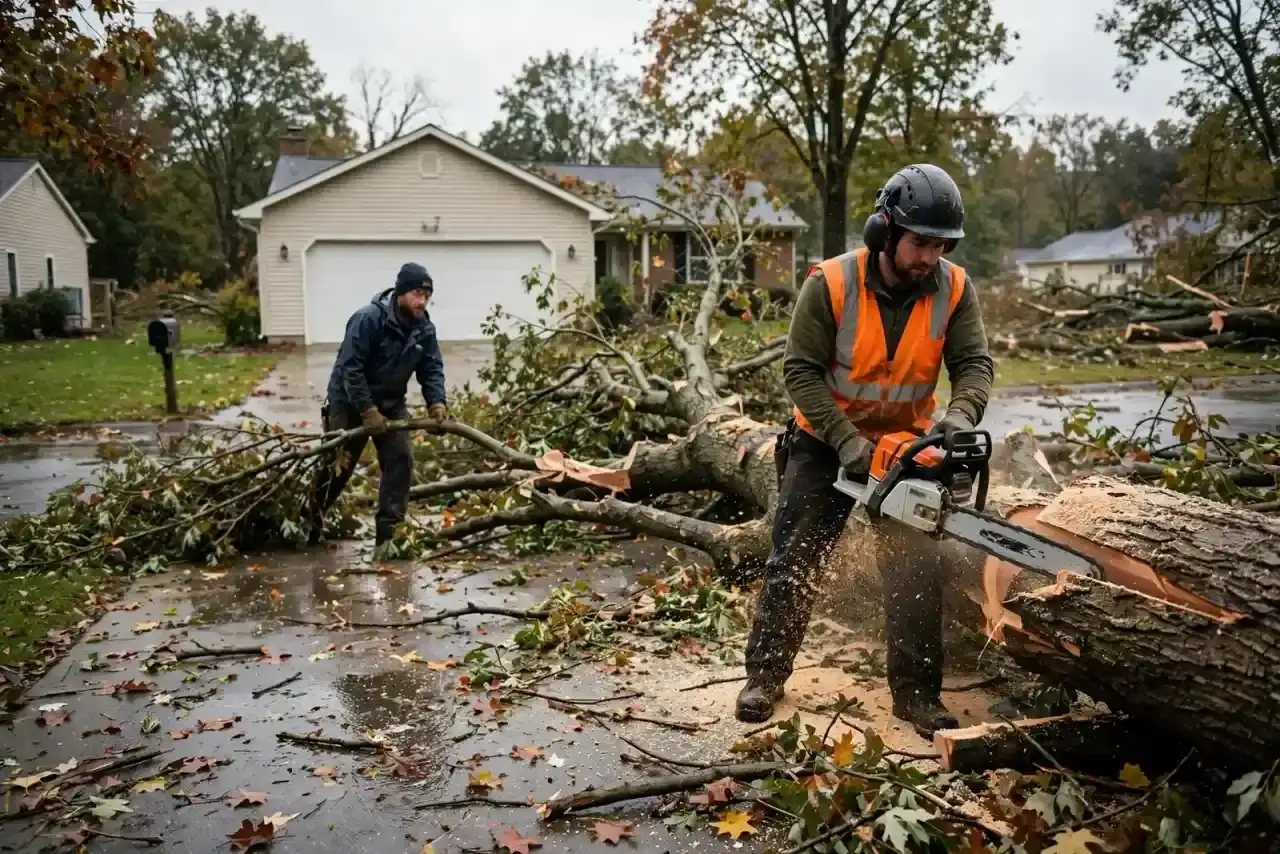
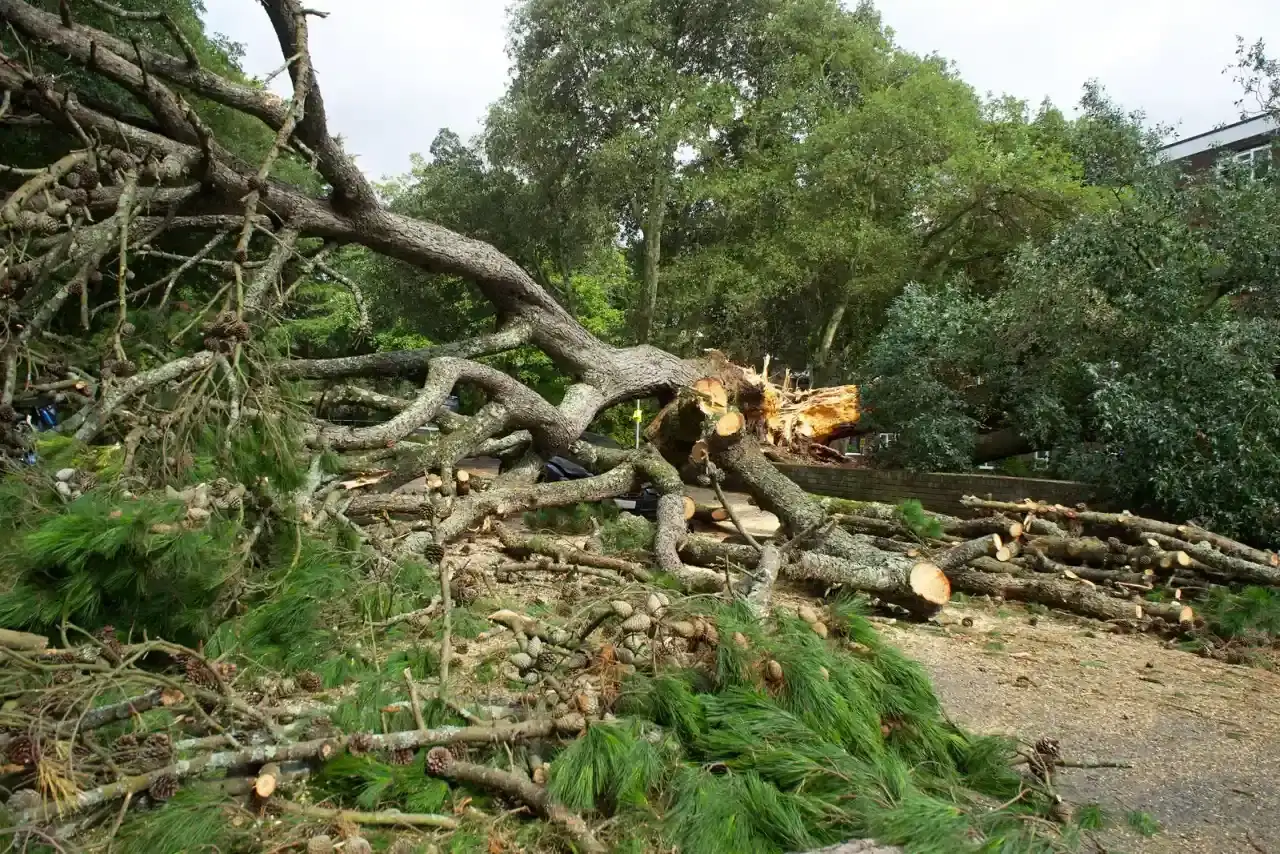
Ian came ashore as a strong Category 4 hurricane with a destructive storm surge across Lee County. In Cape Coral, wind snapped palms, toppled oaks and scattered vegetation across the city's grid of canals and streets.
Debris removal became the biggest single job of the recovery. Within the first weeks, contractors had hauled hundreds of thousands of cubic yards, and an estimated 1.4 million more remained. Vegetative debris was ground into mulch, and later some was burned in an air curtain incinerator, which drew complaints from nearby residents.
Hurricanes Helene and Milton in 2024 brought another round of cleanup and showed how many trees weakened by Ian had not recovered.
Who moves storm debris
On developed residential land, the property owner places hurricane-related debris at the curb for the city's contractor. Debris on vacant lots is also the owner's responsibility, and the city may remove it and bill the owner if it is left too long. On commercial property, the owner or manager disposes of it, and FEMA does not reimburse the city for that work.
Vegetative debris, such as branches, logs and plants, must be kept separate from construction debris and must not be placed in plastic bags. The city publishes an interactive map of pickup progress after major storms.
What should I do with fallen trees after a storm?
Cut them to manageable lengths, move vegetation to the curb in its own pile, away from mailboxes, hydrants and drains, and keep it separate from construction debris. Trees on houses, on lines or blocking access come first, and hiring a crew for those is usually the only safe option.
- Curbside
- Vegetation separate, no bags.
- On a house
- Hire a crew. See tree on house removal.
- On lines
- Call LCEC and stay away.
Signs a storm-survivor tree is failing
Browning leaves months after surge
Saltwater damage to roots shows slowly.
Palms with a bent or collapsing spear leaf
Bud rot after storm stress.
Oaks leaning toward canals
Seawalls and saturated soil weaken anchorage.
Cracks in trunks of black olive and mahogany
Common storm damage in Southwest Florida yards.
How Southwest Florida trees fared
| Tree | Storm performance | Notes |
|---|---|---|
| Sabal palm | Strong | Fronds stripped but trunks stood |
| Live oak | Strong | Some limb loss |
| Queen palm | Weak | Many snapped |
| Black olive | Moderate | Dense crowns caught wind |
| Australian pine | Weak | Invasive and shallow-rooted |
Replanting after a hurricane
Clear stumps
Grind and remove storm-killed stumps.
Test for salt
Flooded areas may need time or soil work before replanting.
Choose wind-firm species
Sabal palm, live oak, gumbo limbo, sea grape.
Mind the canal
Keep large trees back from seawalls, where roots can push on the wall and the soil behind it washes out in surge.
Water through the dry season
New trees planted after a storm need steady water from November through May, when Southwest Florida gets little rain.
Cape Coral tree questions
Will the city pick up trees from my vacant lot?
The owner is responsible for debris on vacant lots. The city may remove it and bill the owner if it remains.
Can I put tree debris in bags?
No. Vegetative debris should not be bagged for storm pickup.
Are palms a good choice after Ian?
Sabal palms performed well. Queen palms did not.
Who handles trees near power lines?
Contact LCEC for lines and stay clear of downed wires.
How long did Ian debris pickup take?
Curbside storm debris collection ran for about six months, ending with roughly 1.96 million cubic yards collected.
Should I remove a tree that survived Ian but looks thin?
Have it inspected. Trees that lost roots to saturated soil or salt can decline over several years, and a thin crown with dieback is often the first sign.
Reach a tree service in Cape Coral
Call to be connected with an independent tree company that works in the Cape Coral area, or leave your number and one will call you back.
(844) 955-1716Call availability varies by area and time of day
Limbwright is a referral service. Your call goes to an independent tree service company that sets its own schedule and terms. Ask for proof of insurance and a written scope before work starts. How this works
Call now
Talk to a tree service provider in your area. Have the tree's location and what it is near ready.
(844) 955-1716Call nowCall availability varies by area and time of day